
How do low pressure and steam methods protect roof surfaces differently than traditional cleaning techniques?
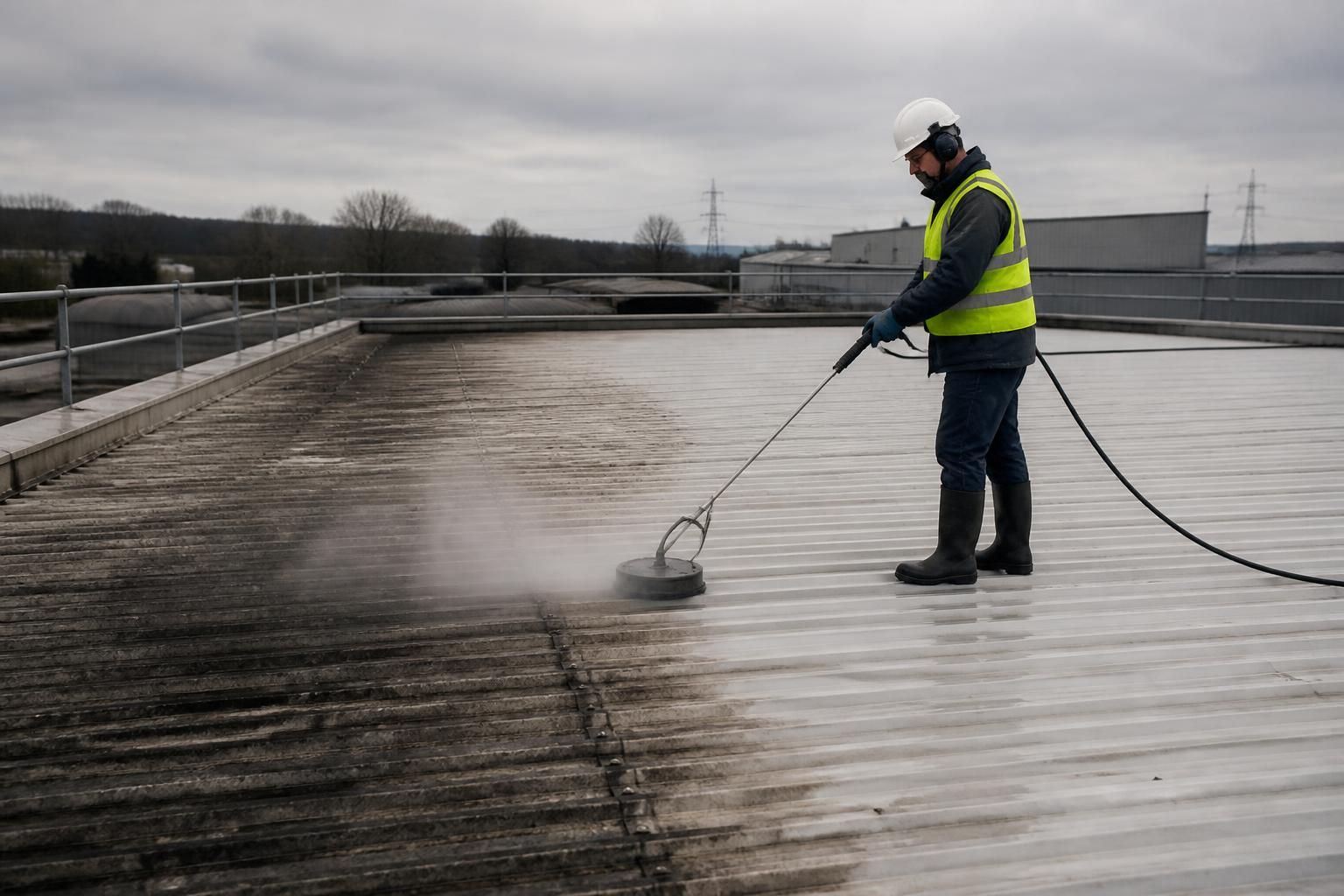
Low-pressure cleaning protects roof surfaces by removing dirt, moss and organic growth with less mechanical force, reducing the risk of dislodged tiles, damaged coatings and water ingress associated with traditional high-pressure washing. Steam cleaning uses controlled heat and low water volume to loosen contamination and sanitise surfaces, but must be carefully adjusted to suit the roof material and prevent thermal or moisture-related damage.
Low-pressure and steam cleaning protect roof surfaces by reducing the mechanical force used to remove contamination, whereas traditional high-pressure cleaning relies on concentrated water impact. This difference can help limit cracked or displaced tiles, surface erosion, damaged coatings and water penetration. The two gentler methods protect roofs in different ways: low-pressure cleaning minimises physical impact, while steam cleaning combines low water pressure with controlled heat to soften and lift organic growth and soiling.
Low-pressure cleaning protects through reduced force. Moss, algae, lichen, bird deposits and atmospheric dirt can often be removed without directing a high-energy water jet at the roof. The cleaning solution and controlled rinsing do more of the work, allowing the operator to treat the surface rather than attack it. This is particularly important where tiles have become brittle, where protective coatings are weathered, or where overlapping materials could allow water beneath the roof covering.
Traditional high-pressure washing can be unsuitable for these conditions because the water impact may strip the surface, loosen granular finishes, break fragile edges or move tiles and slates. It can also force water beneath laps, flashings, vents and ridge details. Low pressure does not remove every risk, but it gives the operator greater control over the cleaning process and reduces the likelihood of damage caused by excessive force.
Steam cleaning protects by using heat and limited water volume. Heated water helps soften biological growth and loosen bonded dirt, so less pressure is needed to separate contamination from the roof surface. Steam can also provide a sanitising effect that helps reduce remaining organic residue. Because less water is introduced than with conventional pressure washing, there may be less run-off across the roof and a lower chance of driving water into vulnerable joints when the equipment is used correctly.
Steam is not automatically safer for every roof. Excessive heat, prolonged application or poor operator control can affect aged coatings, sealants, membranes and certain synthetic materials. Sudden temperature changes may also place stress on some surfaces. The equipment must therefore be adjusted to the roof covering, its age, its condition and the type of contamination present. Steam is a controlled cleaning method, not a substitute for a roof assessment.
The main protection differences can be summarised as follows:
- Low pressure: reduces impact on tiles, slates, coatings and joints while using cleaning products and controlled rinsing to remove contamination.
- Steam: uses heat to soften and detach growth, often with low water usage, reducing the need for aggressive mechanical action.
- High pressure: depends more heavily on water impact, which can cause physical or moisture-related damage when the roof is fragile, porous or already defective.
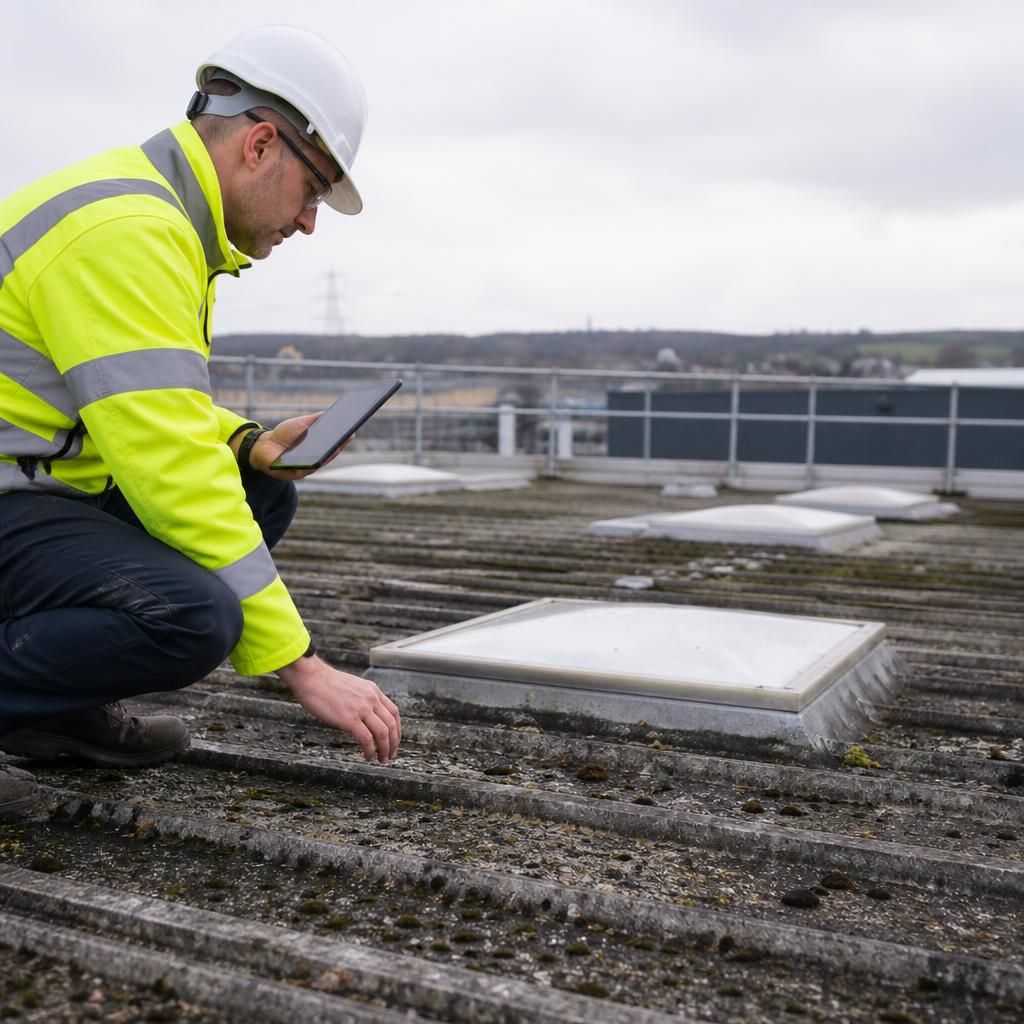
Both low-pressure and steam work should begin with an inspection. The condition of the roof covering, pointing, flashings, valleys, gutters, roof lights, vents and access areas should be checked before cleaning starts. Existing cracks, loose materials, failed seals and areas of water ingress need to be identified so that cleaning does not conceal a maintenance issue or make it worse.
Method selection also depends on the material. A sound roof may tolerate controlled low-pressure treatment, while a heavily contaminated surface may benefit from heat-assisted cleaning if the material and its coatings are suitable. Older slate, fragile tiles, coated metal, membranes and roof areas with exposed defects require particular care. Where the roof covering cannot safely withstand cleaning, removing loose growth by hand and carrying out limited treatment may be more appropriate than applying either pressure or heat.
Good practice includes testing a small, inconspicuous area, keeping the equipment moving, avoiding direct treatment of vulnerable details and working with the roof drainage system in mind. Operators should use suitable access equipment rather than placing unnecessary weight on weak or fragile coverings. Run-off should be controlled so that loosened growth, cleaning solution and debris do not enter drains or affect surrounding surfaces.
After cleaning, the roof should be checked for remaining loose material, exposed defects and blocked outlets. Any recommended repairs should be completed separately from the cleaning work. Regular inspection and timely removal of new moss or organic growth can help prevent contamination from developing thick roots and retaining moisture against the surface.
In practical terms, low pressure offers protection by limiting force, while steam offers protection by limiting force and using heat to reduce the effort required to remove contamination. Both are generally more controllable than traditional high-pressure washing, but neither should be selected without considering the specific roof construction and condition. The safest approach is a method-led assessment followed by equipment settings and cleaning techniques suited to that roof, rather than treating every surface in the same way.
Roof-surface protection depends on controlled application, not simply on choosing a low-pressure or steam system. Low pressure reduces mechanical impact, while steam uses controlled heat and limited water to soften contamination; both must be matched to the roof covering and its condition.
An inspection and small test area should identify brittle tiles, loose slates, weathered coatings, failed sealants, exposed membranes and vulnerable details such as flashings, roof lights and vents. Equipment settings can then be adjusted before wider cleaning begins. This reduces the risk of dislodging materials, forcing water beneath overlapping joints or affecting heat-sensitive coatings. Where defects are already present, careful hand removal or repair may be safer than applying pressure or steam across the affected area.