
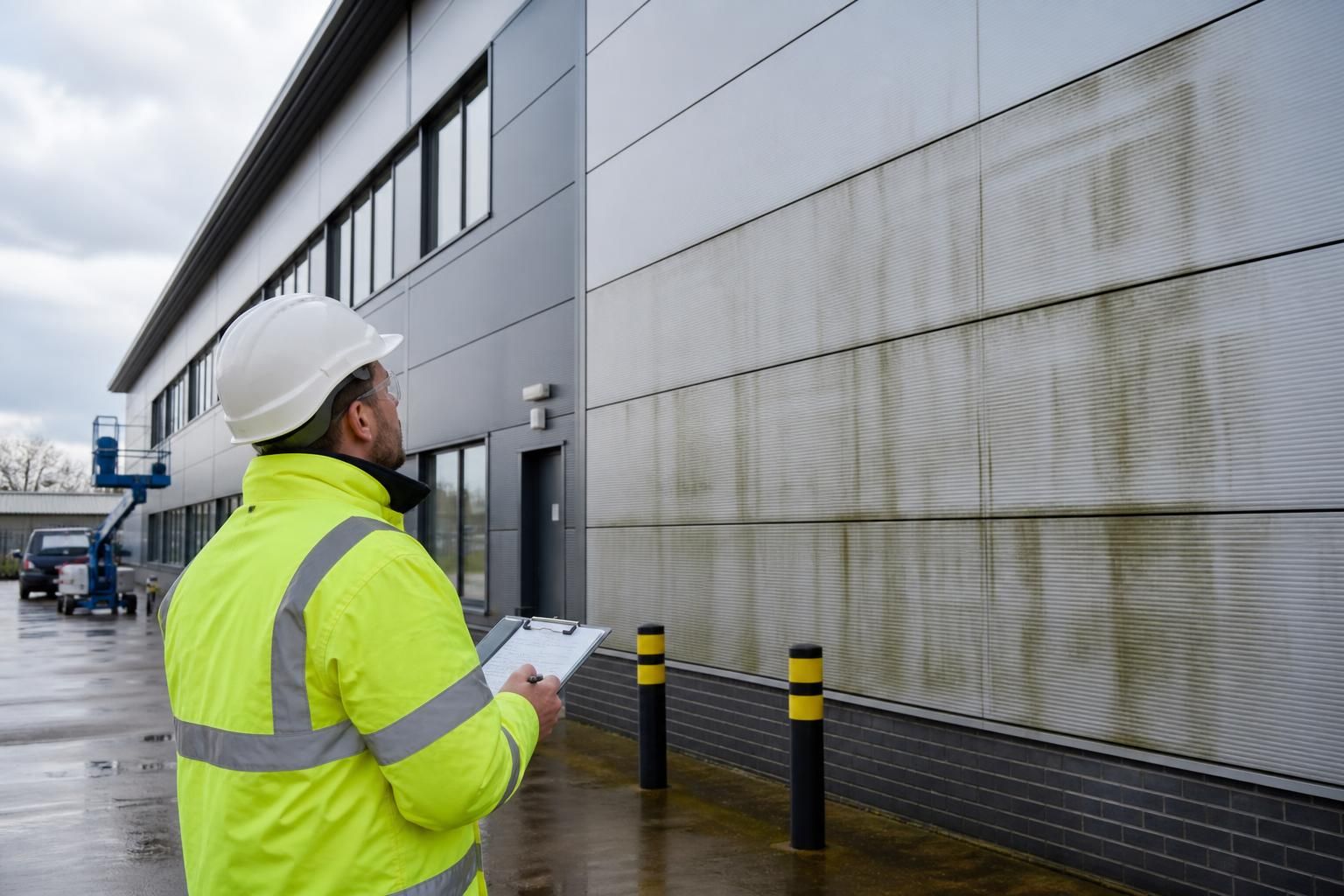
What preparations are needed before scheduling exterior steam cleaning services?
Before scheduling exterior steam cleaning services, confirm the surfaces and materials to be treated, provide site access details, identify hazards and fragile areas, and check requirements for water, drainage, traffic management and working at height. Agree the work area, operating hours, protection for nearby people and property, and any necessary permits or site inductions so the cleaning can be planned safely and with minimal disruption.
Preparing for exterior steam cleaning services involves confirming the surfaces to be cleaned, checking site access and hazards, planning water and wastewater controls, and agreeing how the work will be carried out around people, vehicles and business operations. Providing accurate site information before the quotation or booking allows the cleaning method, equipment, access arrangements and controls to be matched to the property.
Confirm the areas and materials involved. Identify every surface requiring treatment, such as brickwork, masonry, render, cladding, façades, paving, concrete, roofs or areas affected by graffiti. Tell us about painted, coated, sealed, repaired or previously treated surfaces, as heat and moisture can affect unsound finishes, failed sealants and certain coatings. If the substrate or coating is unknown, arrange a site survey and, where appropriate, a small test area before the full clean.
Supply photographs, drawings or a marked-up site plan where possible. These should show the elevations, roof areas, entrances, service yards, car parks and any sections that must be excluded. Also identify staining, biological growth, oil deposits, rust, loose mortar, damaged render or areas where water may enter the building. Steam cleaning removes surface contamination, but it does not repair defective materials or prevent staining caused by an underlying defect.
Provide clear access information. Explain how the cleaning team and equipment will reach the work area. Relevant details include:
- Site entrances, security gates, height restrictions and loading arrangements
- Available parking or a suitable position for cleaning equipment
- Pedestrian routes, delivery routes, emergency access and vehicle movements
- Courtyards, confined areas, basements or other locations with restricted access
- Requirements for ladders, mobile access equipment, scaffold or other access systems
- Whether access equipment must be booked, escorted, inspected or operated by an authorised person
Advise us about underground services, fragile roofs, glazed areas, overhead obstructions and surfaces that cannot support equipment. If a façade or roof requires work at height, access and rescue arrangements should be agreed during planning rather than on the day of cleaning.
Identify health, safety and environmental risks. Notify the contractor of asbestos-containing materials, lead-based paint, hazardous residues, aggressive substances, contaminated areas, sharps, unstable structures and any known health and safety hazards. Do not ask a cleaning team to disturb suspect asbestos or other hazardous materials without the necessary specialist assessment and controls. Provide the site rules, induction requirements, permit procedures and relevant risk information before attendance.
Steam cleaning uses heated water and can create spray, hot surfaces, slippery ground and localised visibility issues. Mark out areas where members of the public, staff or visitors could be exposed. Plan barriers, signage, banksmen, temporary closures or an alternative pedestrian route where needed. Notify the cleaning team about vulnerable occupants, clinical or care settings, schools, food-handling areas and locations where noise, moisture or restricted access could cause particular problems.
Plan water supply, drainage and runoff. Confirm whether a suitable water supply is available and where the equipment can be positioned safely. The team may need to bring water or use an approved site connection, subject to access and site rules. Check that drains, gullies and interceptors are accessible and suitable for the expected runoff. Runoff containing dirt, oils, paint fragments, biological growth or cleaning residues must not be allowed to enter surface-water systems without appropriate controls.
Where drainage is limited, agree collection, filtration, containment or disposal arrangements in advance. Identify nearby watercourses, planted areas, ponds and sensitive landscaping that need protection. Any local authority, landlord or environmental requirements for wastewater discharge should be established before the work is scheduled.
Protect nearby property and equipment. Remove or cover items that could be damaged by heat, moisture, spray or loosened debris. This may include stock, electrical equipment, signage, external lighting, alarm sensors, ventilation openings, access-control equipment, vehicles, furniture, plants and delicate architectural details. Close windows and doors in the work zone, and tell us about any openings that cannot be sealed or moved.
Check that electrical installations, cables, cameras, sensors and other services are suitable for the planned cleaning conditions. Where water could enter a cavity, joint or penetration, arrange temporary protection and confirm whether any seals require repair before cleaning. Loose materials should be repaired or made safe before treatment, as cleaning may expose existing defects.
Agree working hours and operational restrictions. Commercial sites often require cleaning outside trading, production or delivery periods. Provide the preferred working hours and any restrictions caused by tenants, neighbours, security, noise, lighting, public access or building management. Coordinate the programme with other contractors so that scaffolding, painting, repairs, window cleaning or resurfacing work does not conflict with the steam cleaning.
Weather can affect outdoor work, particularly on exposed elevations, roofs and sites where runoff must be controlled. Agree a suitable contingency arrangement for unsuitable conditions. Cleaning should not proceed where weather, visibility, wind, temperature or surface conditions make the work unsafe or compromise the result.
Arrange the required permissions and documents. Depending on the property and work area, preparation may include landlord approval, local authority permissions, highway or pavement arrangements, traffic management, parking suspension, building management approval and permits for work at height or restricted areas. For managed commercial sites, provide the relevant induction process and documentation requirements, including proof of insurance, risk assessments, method statements and evidence of equipment inspections where requested.
Before work begins, agree the scope, cleaning method, test-panel procedure, exclusions, working hours, access arrangements, runoff controls and completion standard. A written quotation or method statement should make clear whether preparation, protection, access equipment, waste removal, traffic management and reinstatement are included.
Complete a final site check before attendance. Ensure access routes are clear, vehicles and movable items are relocated, occupants have been notified, windows and doors are secured, and agreed protection is in place. Tell us promptly about any change to the site, including new construction work, altered access, a spill, an incident or a change in the condition of the surface.
For large or complex premises, a pre-start survey is usually the most effective preparation. It enables the cleaning team to assess the substrate, select suitable steam pressure and temperature, identify access and drainage requirements, and plan controls that protect people, property and the surrounding environment. Once these details are confirmed, the service can be scheduled with fewer delays and a clearer, safer method of working.
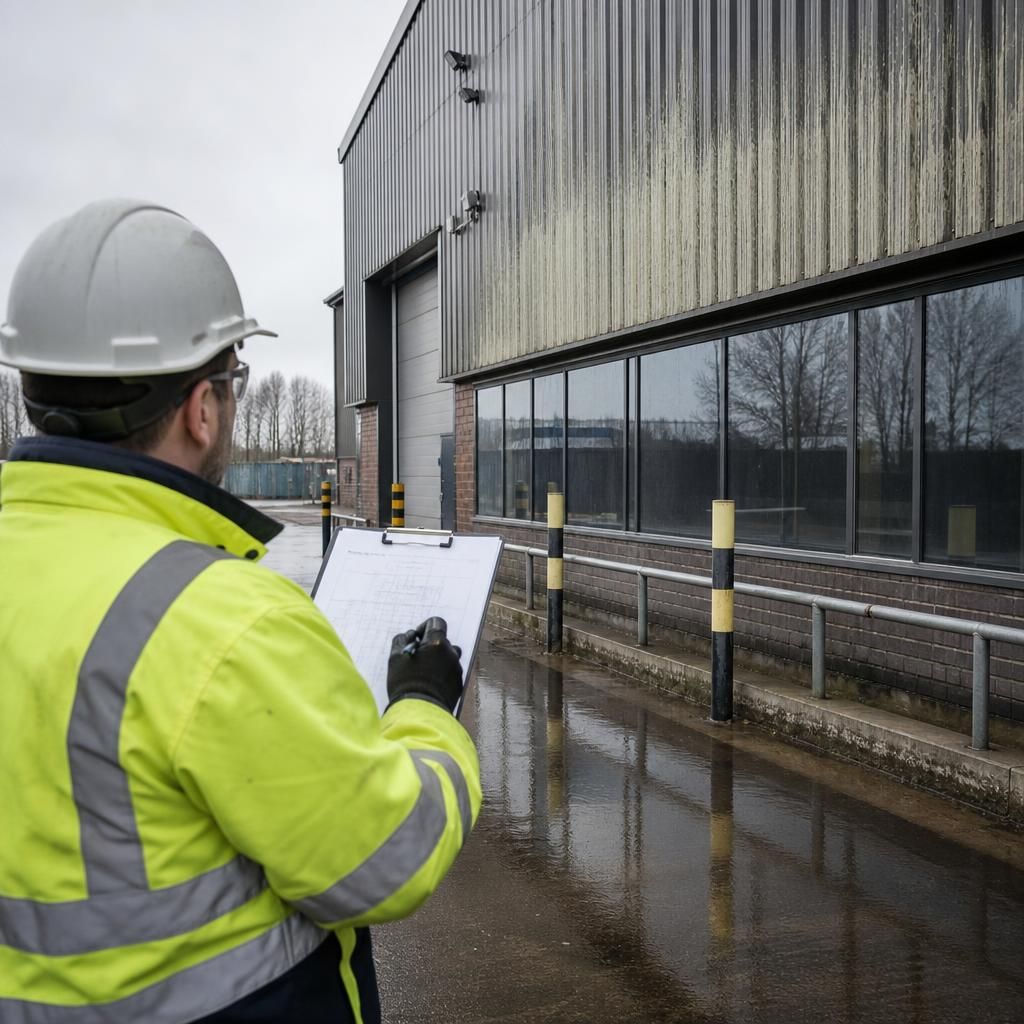
A pre-start site survey is one of the most important preparations for exterior steam cleaning services. It allows the cleaning team to identify the surface materials, assess their condition, confirm access and plan controls for water, runoff and working at height before equipment arrives.
Where the substrate, coating or previous repairs are uncertain, a small test area should be agreed before the full clean. This helps confirm that the selected steam temperature, pressure and technique will remove the contamination without damaging sound finishes, mortar joints, render, sealants or sensitive architectural details. The survey should also record exclusions, fragile areas and any protection required around windows, vents, electrical equipment, landscaping and public routes.