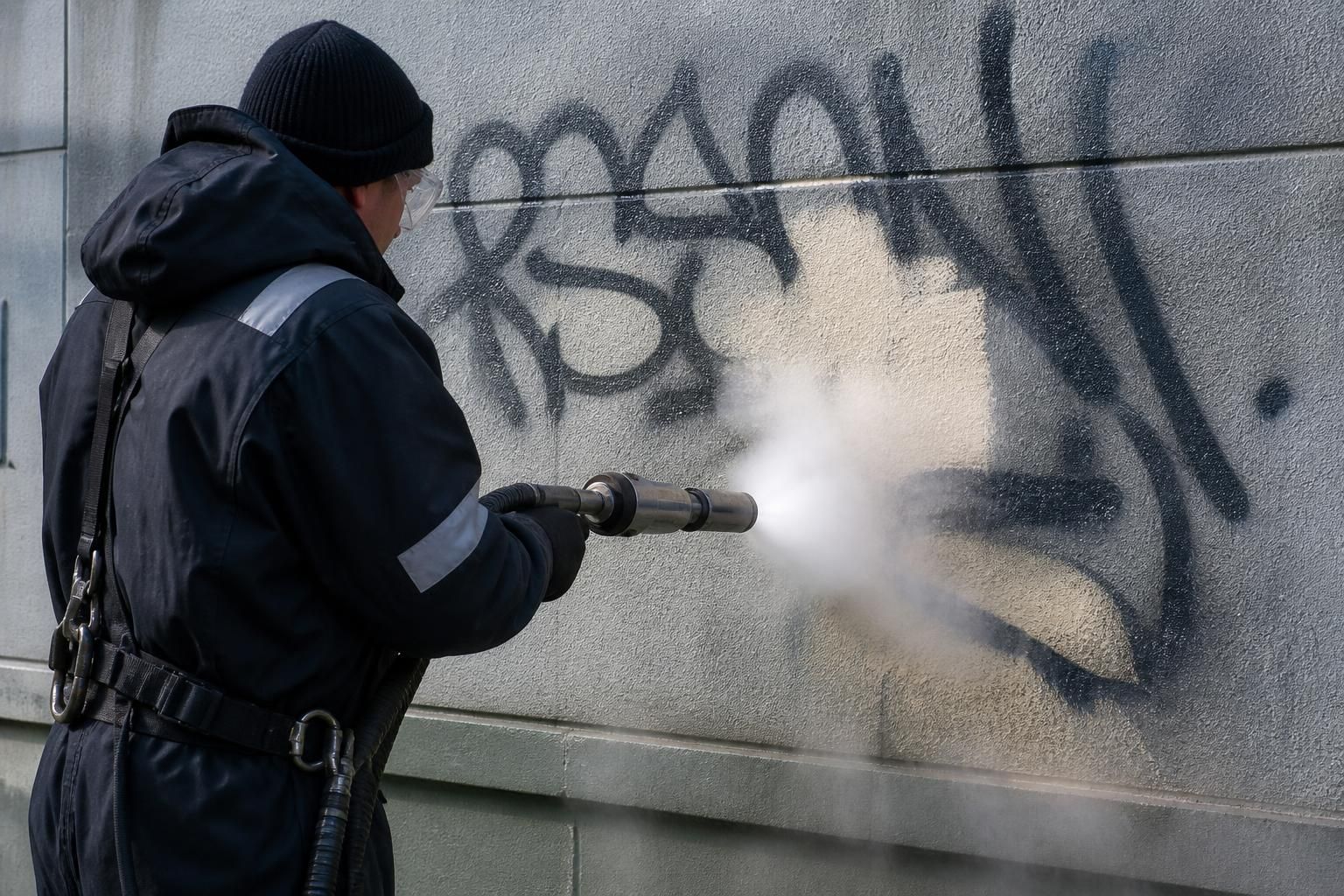
Is steam cleaning effective for removing graffiti from all types of paint?
Steam cleaning can remove graffiti from many painted surfaces, but it is not suitable for every paint type or coating condition. Low-pressure, controlled steam is generally safest when the paint is sound, while delicate, weathered or poorly bonded coatings require testing and may need an alternative method.
Steam cleaning is effective for removing graffiti from many painted surfaces, but it is not suitable for every type of paint or coating condition. Controlled, low-pressure steam can soften and lift spray paint, marker ink, stickers and other graffiti while reducing the need for aggressive abrasion or strong chemicals. However, delicate, weathered, porous or poorly bonded paint may soften, blister, fade or detach during cleaning, so the method must be assessed and tested before full removal.
The key issue is not simply whether a surface is painted, but how the coating was formulated and how well it remains bonded to the substrate. A sound, well-cured coating is generally more tolerant of carefully controlled steam than paint that is chalking, flaking, brittle or already lifting. The condition of the underlying masonry, metal, render, cladding or timber also affects the result.
- Sound masonry and façade coatings: Firmly bonded masonry paints and protective façade coatings can often tolerate steam cleaning when the temperature, pressure and working distance are controlled. This can be effective where graffiti has remained mainly on the surface rather than penetrating a porous coating.
- Powder-coated and factory-applied finishes: Many sound powder-coated metal surfaces respond well to low-pressure steam, particularly when the coating is intact. Extra care is needed around damaged edges, joints and areas where the finish has begun to oxidise or delaminate.
- Painted render and textured coatings: Steam may remove graffiti from the raised surface, but textured coatings can hold pigment in their profile. Excessive heat or pressure can expose the render, disturb the texture or drive contamination deeper into damaged areas.
- Acrylic and water-based paints: These coatings vary considerably. A fully cured, exterior-grade acrylic may withstand controlled cleaning, whereas a soft, thin or poorly cured coating can become marked or softened by heat and moisture.
- Oil-based and alkyd paints: These are often relatively durable once cured, but ageing, gloss loss and previous weathering still need to be considered. Steam can affect a degraded finish even when the original paint was robust.
- Elastomeric and flexible coatings: These may react differently from hard paints. Heat can alter their surface, and pressure can damage areas that have become thin or detached. Testing is particularly important on older flexible coatings.
- Decorative, historic or specialist finishes: Listed buildings, heritage façades, murals and specialist coatings require a conservation-led assessment. Steam may be inappropriate if the finish is friable, water-sensitive, hand-painted or historically significant.
Graffiti removal can also reveal a difference between the exposed paint and the surrounding area. Even when the coating is not physically damaged, the cleaned section may look lighter, darker or glossier because the surrounding paint has weathered, faded or collected dirt. On older façades, complete visual uniformity may not be possible without cleaning a wider area or applying a compatible recoat.
Before cleaning, the surface should be inspected for flaking, blistering, cracking, chalking, rust staining, previous repairs and exposed substrate. A small test patch in an inconspicuous location helps establish whether the paint remains stable and whether the graffiti can be removed without changing the finish. The test should assess both immediate results and any delayed effects, such as whitening, softening, colour transfer or loss of sheen.
Where steam is appropriate, the operator can adjust the cleaning process by using the lowest effective pressure, keeping the nozzle moving and avoiding unnecessary dwell time in one place. The equipment setting, nozzle type, working distance and duration of treatment should be matched to the coating rather than applying a fixed approach to every façade. Graffiti is normally worked from the outside of the mark towards the centre, helping to limit smearing and avoid spreading pigment across clean paint.
Steam cleaning may not be the best option where paint is loose, severely weathered, water-sensitive or likely to contain hazardous historic materials. For example, older coatings may require additional precautions if lead is suspected. In these circumstances, the priority is to prevent airborne dust, contaminated run-off and loss of the original coating. A gentler cleaning method, localised overpainting, coating removal or specialist conservation treatment may be more appropriate.
It is also important to distinguish between removing graffiti and restoring the painted surface. Steam can lift the unwanted marking, but it cannot repair blistered paint, replace missing coating or correct permanent staining caused by pigment penetration. If the graffiti has been left for a long period, ultraviolet exposure and weathering may have altered the surrounding paint, making a small repair or repainting necessary after cleaning.
For commercial premises, the safest procedure is a documented survey, a representative test area and agreement on the acceptable finish before the main work begins. This is particularly relevant where the façade uses several paint systems, where access is difficult or where the building has sensitive neighbouring surfaces. Encanto can assess the coating condition, select an appropriate steam-cleaning approach and advise when another removal method or repainting is needed.
In summary, steam cleaning is often a low-abrasion option for graffiti on stable, properly cured paint, but it cannot be assumed safe for all coatings. The paint type, age, bond strength, surface texture, graffiti medium and desired finish must be considered together. Testing and controlled application are essential to remove the graffiti while preserving as much of the original coating as possible.
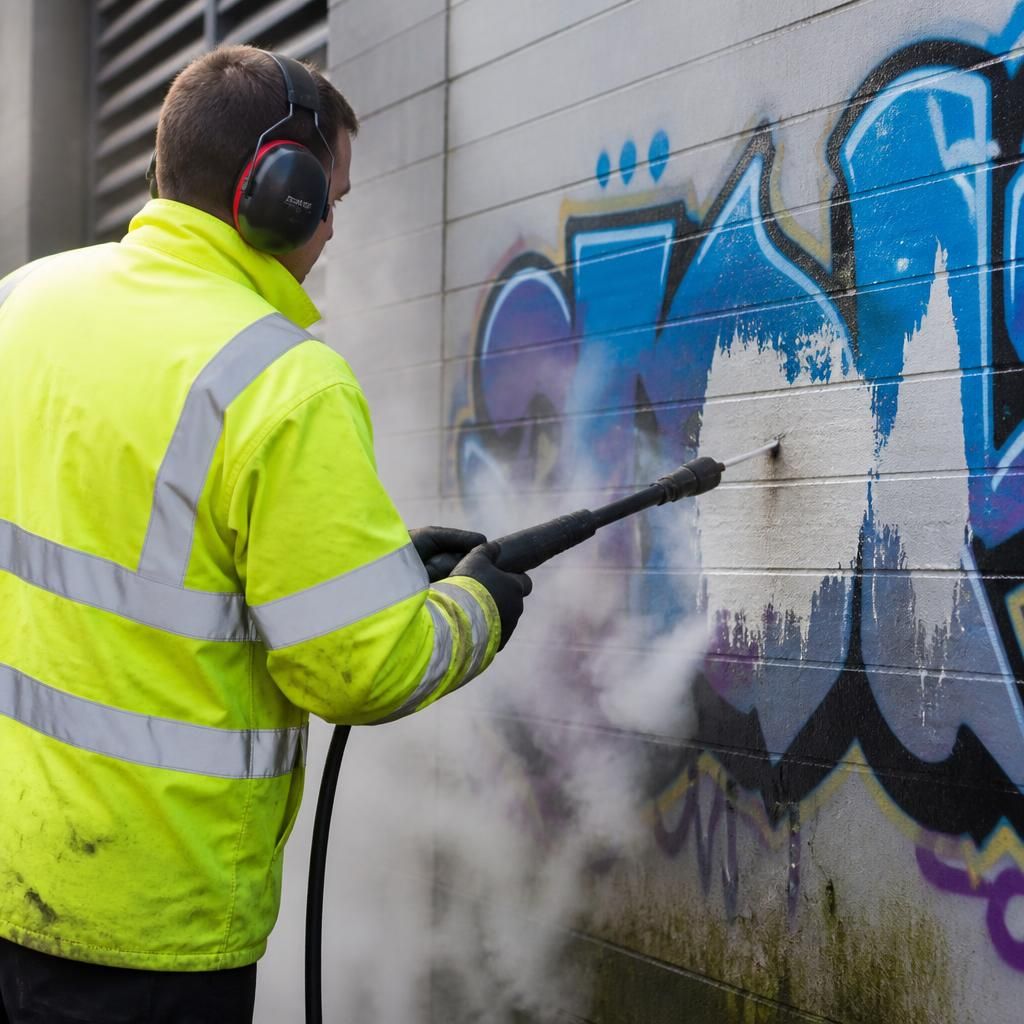
Steam cleaning is effective on many sound, fully cured painted surfaces, but it is not automatically suitable for every paint system. The main consideration is the coating’s condition: firmly bonded paint will usually tolerate controlled, low-pressure steam better than paint that is flaking, chalking, blistered, softened or poorly adhered.
A small test area should be cleaned before the main work begins. This confirms whether the graffiti lifts without softening the coating, changing its sheen, causing colour transfer or exposing the substrate. The operator can then adjust the steam temperature, pressure, nozzle and working distance to suit the paint rather than using the same settings across the whole façade.
Extra caution is needed with textured, flexible, historic and water-sensitive coatings, as heat and moisture may alter their appearance or disturb fragile areas. Steam removes the graffiti; it cannot repair damaged paint or reverse staining that has penetrated the coating. Where the paint is unstable, localised repainting or a specialist alternative may provide a safer result.
Book a Graffiti Removal Assessment for Your Painted Surface
Arrange a graffiti removal assessment for your painted surface so we can inspect the coating, carry out a suitable test patch and confirm whether controlled steam cleaning is appropriate.
For a free quote & consultation
Contact usAccreditations