
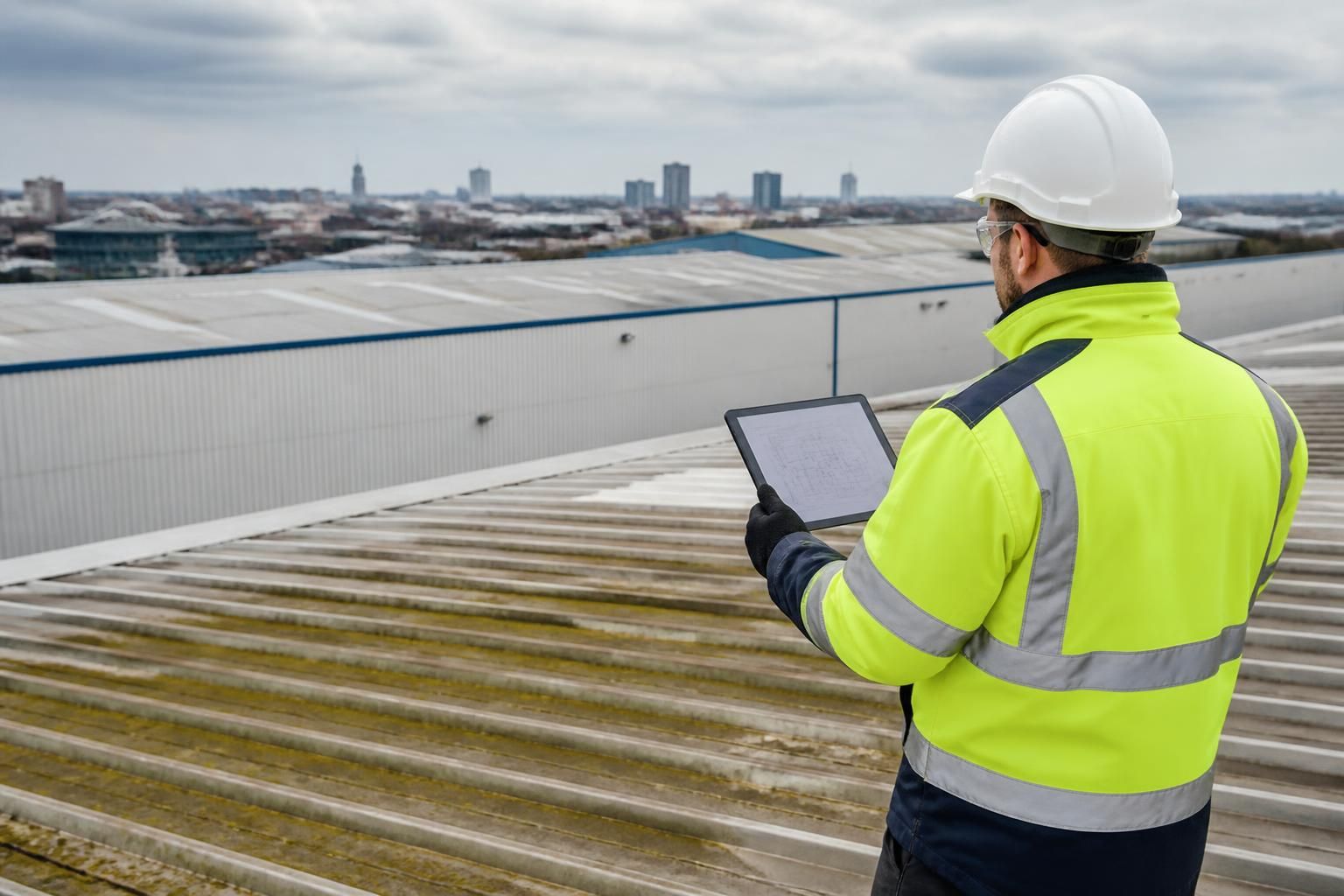
What factors influence the cost of commercial roof cleaning services?
The cost of commercial roof cleaning depends on the roof’s size, material, condition and accessibility, as well as the cleaning method, equipment and safety controls required. Additional costs may apply where there is heavy moss, contamination, difficult access, repairs, specialist waste handling or work that must be planned around business operations.
The cost of commercial roof cleaning is mainly determined by the roof’s size, material, condition and accessibility, together with the cleaning method, equipment, labour and safety controls required. A large, heavily soiled roof with restricted access or difficult working conditions will normally cost more than a relatively clean, accessible roof that can be treated using standard equipment.
A reliable quotation should be based on a site assessment rather than roof area alone. The condition of the roof, the type of contamination and the way water, chemicals and waste can be controlled all affect the work involved. Key cost factors include:
- Roof size and layout: Larger roofs require more labour, cleaning solution, water, equipment time and waste handling. A roof divided into several sections, levels or buildings can take longer to prepare and clean than a single, open roof area.
- Roofing material: Metal cladding, concrete tiles, slate, single-ply membranes, asphalt coverings and other commercial roofing systems have different cleaning requirements. Fragile, aged or coated materials may need a lower-pressure or soft-wash approach, increasing preparation and treatment time.
- Level of dirt and biological growth: Light surface dirt is generally quicker to remove than established moss, algae, lichen, bird fouling, oil deposits or other contamination. Heavy growth may require scraping, repeated treatment, controlled rinsing and additional collection of loosened material.
- Roof condition: Loose tiles, failing coatings, corrosion, damaged membranes, blocked outlets or exposed fixings can restrict the cleaning method. Areas that need repair or specialist attention may have to be excluded from cleaning until they have been assessed. Cleaning itself does not include roof repairs unless these are separately agreed.
- Access and working height: Easy access for operatives, hoses and equipment can reduce preparation time. Restricted service yards, congested sites, fragile roof areas, multiple roof levels and limited vehicle access may require additional equipment or a more carefully controlled working method.
- Access equipment: Depending on the building, the work may require mobile elevated work platforms, scaffold, edge protection, roof ladders, temporary walkways or other control measures. The type of equipment is influenced by ground conditions, reach, obstructions, loading restrictions and the need to protect occupied areas.
- Required cleaning method: Pressure washing can be suitable for some robust surfaces, while soft washing, steam cleaning or biocidal treatment may be more appropriate for delicate materials or biological contamination. Lower-pressure methods can take longer, particularly where deposits must be treated and allowed to break down rather than removed by force.
- Water and drainage arrangements: The quotation may need to account for water supply, hose runs, recovery of dirty water and protection of rainwater outlets. Where run-off could enter surface-water drains, landscaped areas or neighbouring property, additional containment, filtration or collection measures may be necessary.
- Health and safety requirements: Work at height requires planning, suitable equipment, competent operatives and controls for falling materials, slips, fragile surfaces and public access. Busy commercial sites may also require traffic management, exclusion zones, permits, site inductions, protection for vehicles and coordination with other contractors.
- Hazardous or sensitive materials: Suspected asbestos-containing materials, lead-based coatings, contaminated deposits or unknown roof construction may require specialist assessment before cleaning. Cleaning should not proceed where the material or contamination cannot be handled safely and lawfully using the proposed method.
- Waste management: Moss, silt, bird fouling and other removed material may need to be collected, contained, transported and disposed of appropriately. The cost depends on the amount and type of waste and whether it can be handled as ordinary commercial waste or requires specialist arrangements.
- Site location and logistics: Travel, parking, equipment delivery, water access and the distance between work areas can affect the time spent on site. Urban locations, shared estates and sites with strict delivery or security procedures often require more detailed planning.
- Timing and operational restrictions: Cleaning outside normal working hours, at weekends or in carefully managed phases may be needed to avoid disrupting tenants, customers, deliveries or production. Such arrangements can affect labour planning and equipment mobilisation.
- Weather and seasonal conditions: Wind, rain, frost and very hot conditions can affect safe access, chemical performance, drying times and run-off control. If the work must be divided into separate visits because of weather or site conditions, this can influence the overall cost.
- Additional services: Gutter clearance, fascia and cladding cleaning, skylight cleaning, moss removal, graffiti removal, protective treatments or photographic reporting may be included as separate line items. Including related work during the same mobilisation can sometimes be more efficient, but it should be clearly defined in the quotation.
The cleaning method has a direct effect on price because it determines the equipment, preparation, dwell time and follow-up required. For example, pressure washing may provide rapid results on a suitable robust surface but is not appropriate for every roof. Soft washing can reduce mechanical stress on vulnerable materials, although it may involve biocide application, controlled rinsing and a later review of remaining growth. Steam cleaning can require specialist equipment and careful management of heat, water and access. The cheapest method on paper is not necessarily the most suitable if it increases the risk of surface damage or shortens the roof’s service life.
A professional assessment should also consider whether the roof can safely bear access loads and whether fragile rooflights, unsupported sheets or hidden defects are present. Existing drawings, maintenance records, asbestos information and access restrictions can help produce a more accurate scope. Where the roof cannot be inspected safely from the surface, information may need to be gathered from suitable access equipment or other agreed inspection methods.
When comparing quotations, check whether they specify the roof areas included, proposed cleaning method, treatment products, access equipment, protection of drains and surrounding property, waste disposal, preparation and reinstatement. Confirm whether the price includes a site survey, risk assessment, method statement, permits, out-of-hours working, travel and any return visit. A quotation that excludes essential safety or environmental controls may appear lower but may not represent the full cost of completing the work correctly.
It is also important to separate cleaning costs from remedial work. Replacing damaged tiles, repairing membranes, treating corrosion, sealing defects or restoring roof coatings should be inspected and priced separately unless expressly included. Cleaning may reveal defects that were hidden by moss or dirt, but it should not be used to disguise the need for repairs.
For an accurate commercial roof cleaning price, provide details of the building, roof material, approximate roof areas, access arrangements, known contamination, operating restrictions and any available asbestos or maintenance information. A site survey can then establish the safest suitable method, identify likely additional requirements and produce a transparent quotation based on the actual conditions rather than an uncertain area-only estimate.
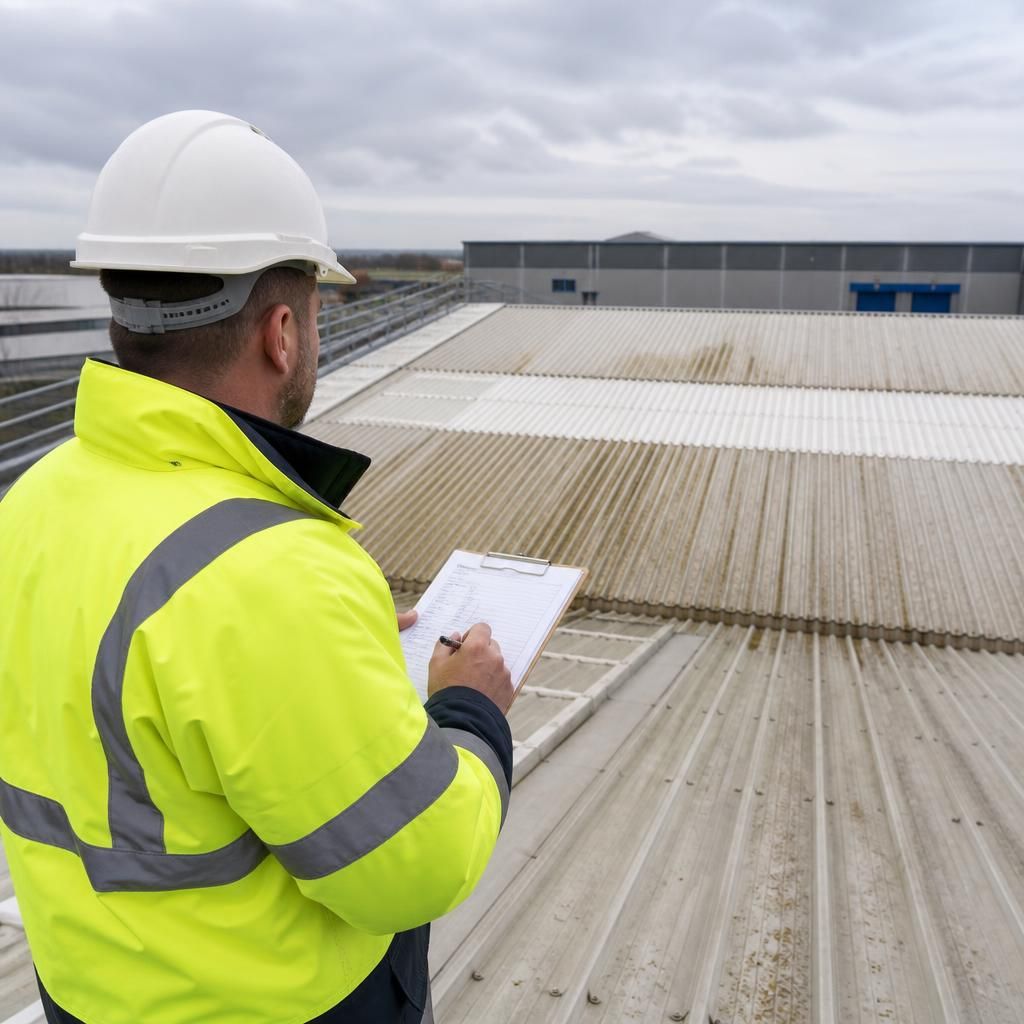
A commercial roof cleaning quotation should be based on a site assessment, not roof area alone. The survey identifies the roof material, level of contamination, access limitations, fragile areas, drainage arrangements and safety controls needed to complete the work without causing damage or disruption.
This assessment also clarifies which services are included in the price. A detailed quotation should state:
- the roof areas and structures covered;
- the proposed cleaning method and treatment products;
- access equipment, edge protection and other safety measures;
- run-off protection, waste collection and disposal;
- any out-of-hours working, permits or traffic management; and
- whether repairs, gutter clearance or follow-up treatments are priced separately.
Comparing quotations on these details gives a more accurate view of value. A lower price may exclude essential access, environmental or waste controls, while a properly scoped quotation reflects the actual conditions on the site.