
What makes soft wash roof cleaning environmentally friendly?
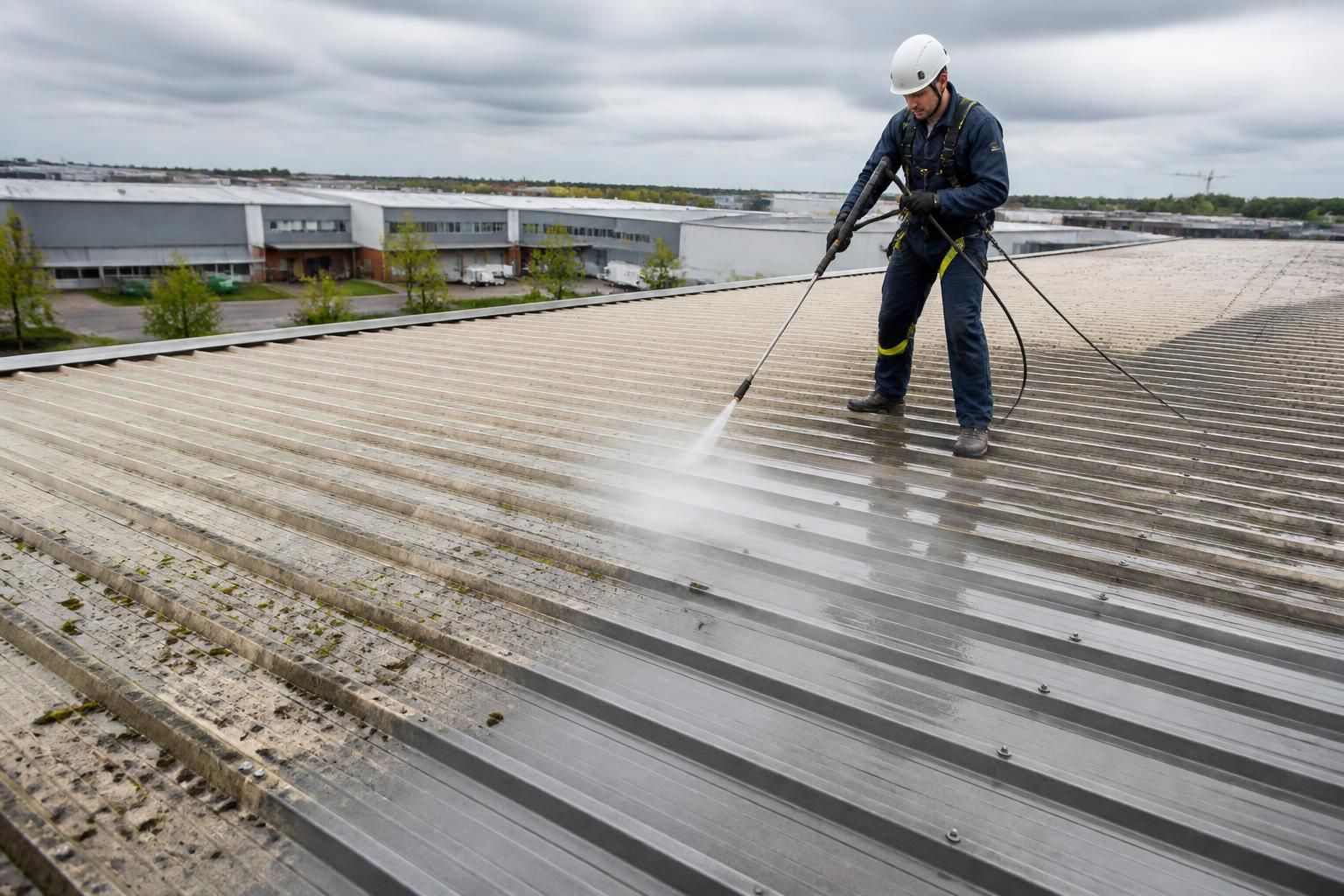
Soft wash roof cleaning is environmentally friendly because it uses low-pressure application and considerably less water than abrasive or high-pressure methods, reducing runoff and the risk of damage. Biodegradable cleaning solutions break down organic growth such as moss and algae effectively, while responsible runoff management helps protect surrounding soil, drains and waterways.
Soft wash roof cleaning is environmentally friendly because it combines low-pressure application with carefully selected cleaning solutions, using less water and causing less physical damage than high-pressure or abrasive cleaning. The process targets moss, algae, lichen and other organic growth without unnecessarily stripping roofing materials, while responsible preparation and runoff control help protect surrounding surfaces, soil, drainage systems and waterways.
Lower water consumption and reduced runoff
Soft washing applies cleaning solution at low pressure and normally requires less water than pressure washing. High-pressure cleaning can use substantial volumes of water to dislodge growth mechanically, creating larger quantities of contaminated runoff. Soft washing instead treats the growth chemically, allowing it to loosen and break down before controlled rinsing where appropriate.
Using less water reduces demand on the mains supply and limits the volume of water that must be managed at ground level. This is particularly relevant on large commercial properties, where roof areas, paved surfaces and drainage networks can make uncontrolled runoff difficult to contain. The exact water requirement depends on the roof size, level of contamination, material and access conditions, so the cleaning method is assessed before work begins.
Less damage to roofing materials
Environmental responsibility also includes extending the serviceable life of existing materials. Aggressive pressure can remove protective finishes, force water beneath laps or seals, loosen pointing and accelerate wear on tiles, membranes, cladding and other roof components. Replacing damaged materials creates additional waste and requires new raw materials, transport and installation.
Because soft washing relies on low pressure rather than force, it can remove organic contamination with less risk of surface erosion or breakage. This does not mean that every roof can be treated in the same way. Fragile, weathered or previously repaired surfaces still require a suitable solution, controlled application and an inspection by an experienced contractor.
More targeted use of cleaning products
Soft wash solutions are selected according to the type of growth and the roofing material. A targeted application avoids the need for unnecessarily harsh mechanical treatment. Where suitable, products with biodegradable or readily degradable ingredients can be used, but “biodegradable” does not mean that a solution is harmless in every concentration or situation. The product label, safety data sheet, application instructions and site conditions must all be considered.
At Encanto Exterior Cleaning, product selection and dilution are controlled rather than applied indiscriminately. The team considers nearby planting, watercourses, drainage arrangements, wind conditions and the condition of the roof. Solutions are kept away from areas that could be affected, and rinsing is managed so that loosened contamination and cleaning residues do not simply flow into unsuitable drainage points.
Runoff and surrounding areas are managed carefully
A low-pressure system alone does not make roof cleaning environmentally responsible. Good site practice is equally important. Before work starts, surrounding areas are assessed and vulnerable surfaces, plants, rainwater collection points and access routes are protected where necessary. Downpipes or drainage points may need to be isolated, covered or redirected, depending on the site layout and the cleaning method being used.
Runoff is monitored throughout the work rather than left to drain uncontrolled. Where collection or treatment is required, it is handled in accordance with the site’s drainage arrangements and applicable environmental requirements. Any waste, contaminated water or removed material is dealt with responsibly, and cleaning products are stored, transported and used in line with their safety and environmental guidance.
Reduced disturbance during cleaning
Soft washing generally creates less noise, vibration and airborne debris than abrasive cleaning or prolonged high-pressure work. This can reduce disturbance to occupants, neighbouring premises, pedestrians and vehicles, which is useful when cleaning active commercial or industrial sites. Low-pressure application can also reduce the risk of dislodging particles that may spread contamination across nearby areas.
Environmental controls must still be adapted to the building. Wind can carry spray beyond the intended treatment area, and nearby air intakes, plants or water features may require additional protection. Work should be paused or adjusted when weather conditions make controlled application impractical.
What makes the process genuinely sustainable?
- Using low pressure and only the water needed for the agreed treatment.
- Choosing a cleaning solution that is suitable for the roof, the contamination and the surrounding environment.
- Following the product manufacturer’s instructions for dilution, contact time, storage and disposal.
- Protecting plants, drainage points, watercourses, vehicles and adjacent surfaces.
- Preventing or controlling contaminated runoff rather than allowing it to enter drains without assessment.
- Using the least aggressive effective method to reduce avoidable damage and premature roof replacement.
- Keeping records and following relevant risk assessments, COSHH controls and site requirements.
Soft wash roof cleaning is therefore a lower-impact option, not an impact-free process. Its environmental benefits depend on competent application, appropriate products and effective runoff management. A responsible contractor will inspect the roof and surrounding site first, explain any environmental controls required, and adapt the method rather than treating every roof or property in exactly the same way.
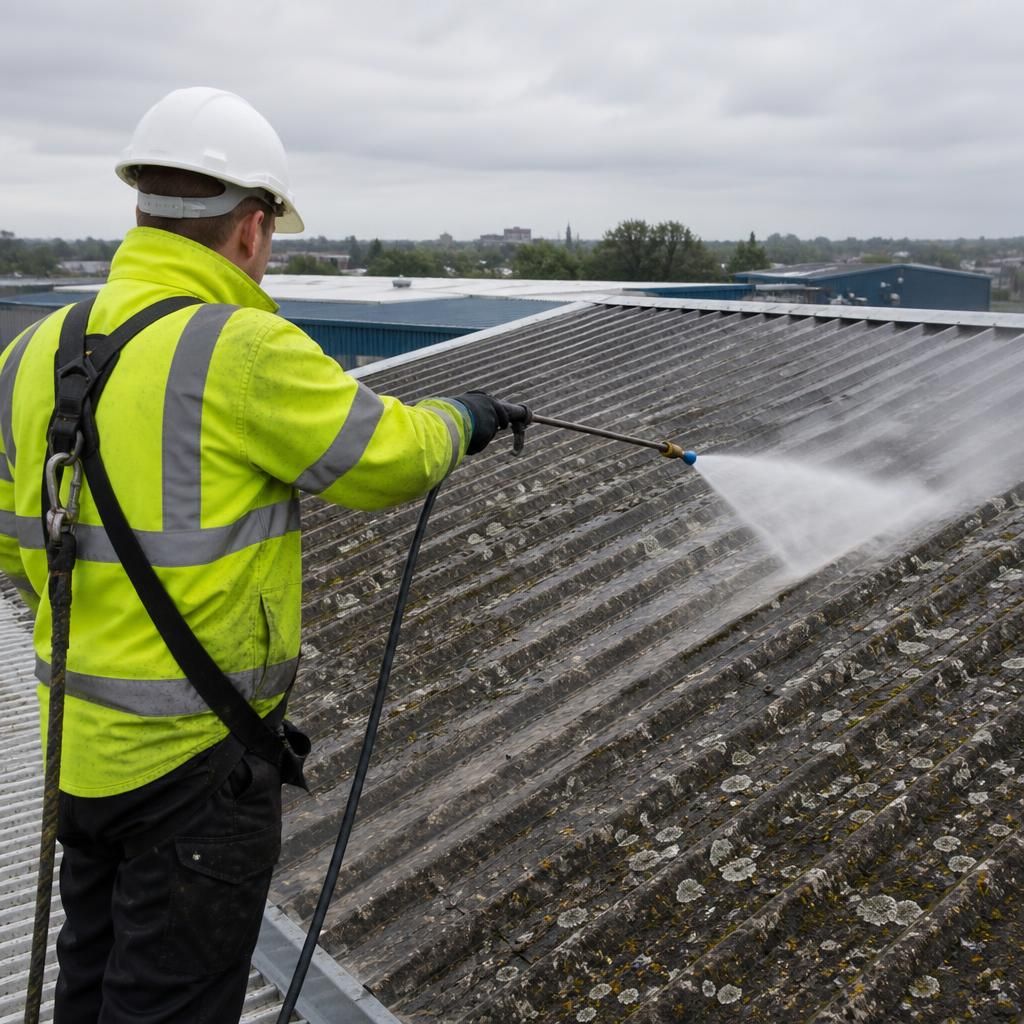
Soft wash roof cleaning is environmentally friendly when low-pressure application is combined with controlled product use and responsible runoff management. Treating moss, algae and lichen rather than removing them through aggressive mechanical force can reduce water use, limit surface damage and help extend the serviceable life of the existing roof.
The cleaning solution must still be selected and diluted for the roof material and site conditions. Surrounding plants, drainage points, vehicles and watercourses should be protected, while loosened growth and contaminated runoff are managed appropriately. This makes soft washing a lower-impact cleaning method, although its environmental performance depends on competent preparation and application.