
What safety measures are implemented during chemical and steam roof cleaning?
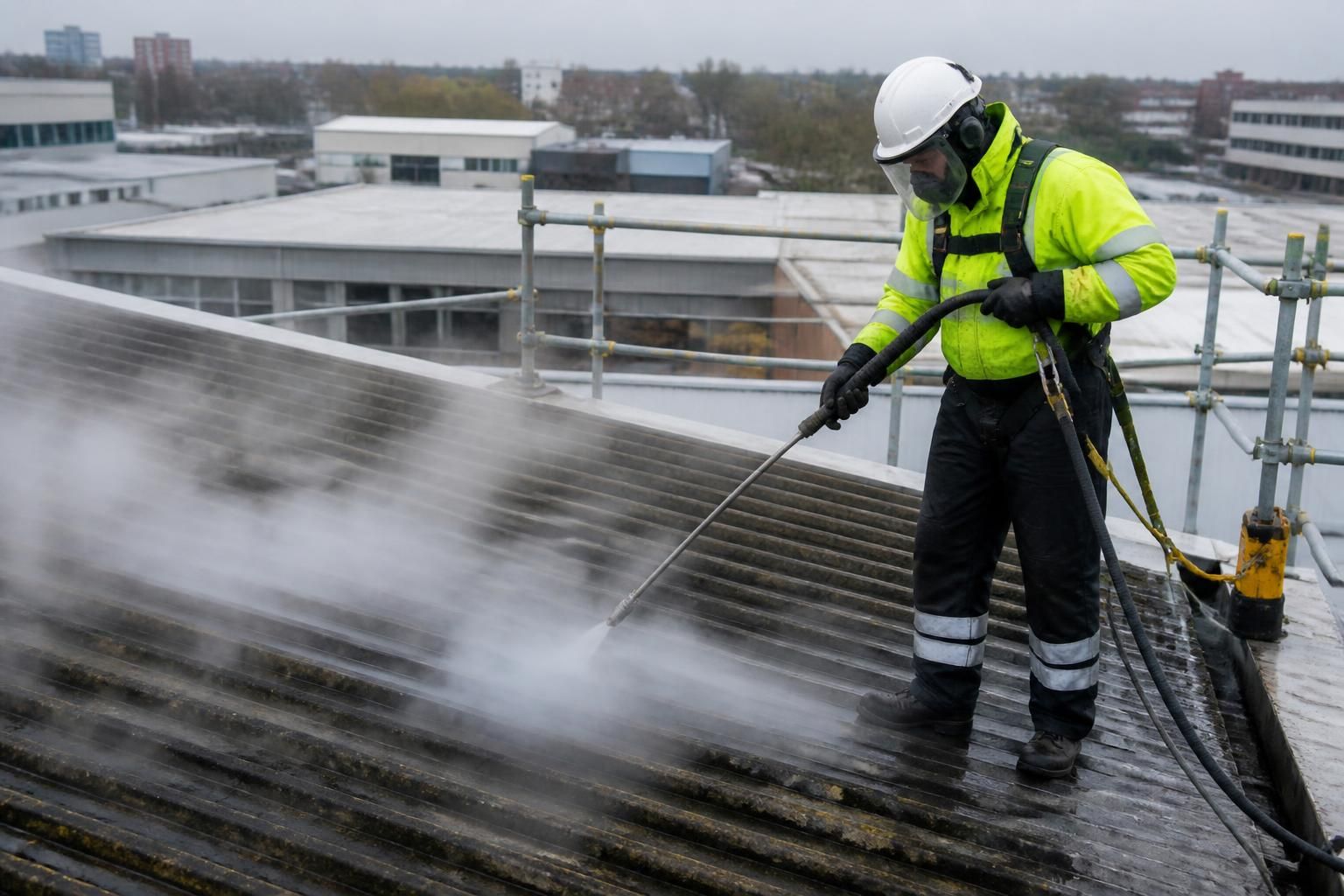
During chemical and steam roof cleaning, safety is managed through site-specific risk assessments, safe work plans, trained operatives, suitable access equipment and appropriate personal protective equipment (PPE). We also control chemical handling, protect roof surfaces and nearby areas, manage runoff, and maintain exclusion zones to safeguard workers, building occupants, property and the environment.
Safety during chemical and steam roof cleaning is controlled through a site-specific risk assessment, a written method statement, trained operatives, suitable access equipment and clearly defined controls for people, chemicals, heat, water and roof conditions. The precautions are adapted to the building, roofing materials, access arrangements, occupancy and cleaning method rather than applying the same process to every site.
Planning and risk assessment
Before work starts, the roof and surrounding area are assessed for hazards that could affect the cleaning operation. This includes roof access, fragile or deteriorated materials, roof lights, openings, edges, slopes, overhead services, plant, drainage outlets, neighbouring property and areas used by vehicles or pedestrians. The assessment also considers the presence of occupants, members of the public, other contractors and sensitive equipment such as air-conditioning systems or electrical installations.
The findings are recorded in site-specific risk assessments and method statements. These documents set out the proposed cleaning method, access arrangements, required PPE, chemical controls, exclusion zones, emergency procedures and arrangements for dealing with wastewater. Where site conditions change, the work is paused and the controls are reviewed before cleaning continues.
Safe access and work at height
Roof cleaning is planned in accordance with the principles of safe work at height. Operatives use appropriate access equipment, which may include scaffold, edge protection, roof access systems, mobile elevated work platforms or other suitable equipment selected for the building and task. Ladders are not treated as a general working platform where a safer alternative is required.
Access equipment is checked before use and positioned on suitable ground. Operatives use edge protection, fall restraint or fall arrest systems where necessary, with anchor points and harness arrangements suitable for the site. Equipment, hoses and tools are managed so that they do not create trip hazards or pull operatives towards roof edges. Fragile roof areas and roof lights are identified and protected or avoided rather than used as walking surfaces.
Wind, rain, ice, poor visibility and other weather conditions are monitored because they can make access equipment, roof surfaces and chemical application unsafe. Work is postponed or changed when conditions prevent operatives from maintaining secure footing or safely controlling equipment.
Protection for operatives
Personal protective equipment is selected from the risk assessment and the product information for any treatment being used. Depending on the task, this can include chemical-resistant gloves, safety footwear, eye or face protection, protective clothing, head protection, hearing protection and respiratory protection. PPE is maintained, inspected and replaced when it is damaged or no longer provides suitable protection.
PPE is not used as a substitute for safer working methods. Controls such as closed or carefully controlled chemical transfer, suitable application equipment, ventilation, safe access and exclusion zones are applied first. Operatives are trained in the limitations of their PPE, decontamination procedures and what to do if a product contacts the skin or eyes or is inhaled.
Controls for chemical and biocide treatments
Chemical products are selected for the roof material, the type of biological growth and the surrounding environment. Product labels and safety data sheets are reviewed before use, including information on dilution, storage, incompatible substances, required PPE, first aid and spill response. Chemicals are kept in labelled, secure containers and are not transferred into unmarked bottles.
Only the required product and quantity are taken to the working area. Mixing and dilution are carried out in a controlled location using the correct water volume and application equipment. Products are never mixed unless the manufacturer expressly permits it, as incompatible chemicals can produce hazardous reactions or reduce treatment effectiveness. Operatives avoid creating spray drift and consider wind direction, nearby windows, air intakes, vehicles, planted areas, watercourses and public areas before application.
Where a treatment requires a contact time, the area is managed so that people and animals cannot enter it prematurely. Warning signs, barriers and site communication are used where appropriate. Any spills are contained promptly using the planned response procedure, and contaminated materials are handled and disposed of in accordance with the product requirements and applicable waste controls.
Controls for steam cleaning
Steam cleaning introduces hazards from hot water, vapour, pressurised equipment and heated surfaces. Operatives keep people away from the working area and use suitable gloves, protective clothing, eye protection and footwear to reduce the risk of burns and slips. Hoses and lances are handled in a way that maintains control of the equipment, particularly when working on sloping or elevated surfaces.
Steam is directed only at suitable surfaces and is not allowed to enter electrical equipment, ventilation openings, occupied areas or locations where condensation could cause damage. The roof material is assessed before cleaning so that heat, moisture and the selected operating pressure do not affect membranes, coatings, sealants, pointing, insulation or other components. The equipment is inspected and operated by trained personnel, with attention given to connections, hoses, pressure controls and signs of damage.
Preventing damage to the roof and building
A pre-clean inspection identifies defects and establishes whether the roof is suitable for chemical or steam treatment. Loose coverings, failed sealants, exposed substrates and existing water ingress are recorded. Where necessary, a small test area is used to confirm that the proposed method does not cause unacceptable colour change, surface erosion, coating failure or water penetration.
Cleaning pressure, temperature, chemical concentration, dwell time and application distance are controlled rather than increased simply to remove heavy soiling. Operatives avoid forcing water beneath laps, flashings, tiles, cladding joints or defective areas. Windows, doors, vents, façade finishes, signage, vehicles and external plant are protected from overspray, runoff and falling debris. Any pre-existing damage or limitations are reported so that cleaning is not mistaken for a repair.
Exclusion zones and site communication
Ground-level areas below and around the work are controlled with barriers, warning signs and, where required, a dedicated banksman or other access control. This prevents people from walking beneath work at height, entering areas affected by spray or steam, or contacting treated surfaces. Pedestrian routes, entrances, fire exits and vehicle movements are considered when setting out the work area.
Building managers are informed about the work programme, access restrictions, chemical use, likely noise or odour, and any temporary isolation required. The cleaning team also coordinates with other contractors and site personnel. Doors, windows, air intakes and relevant building systems may need to remain closed, protected or temporarily isolated while treatment is applied.
Runoff, drainage and environmental protection
Water and chemical runoff are managed as part of the method statement, not left until the end of the job. Drainage routes are identified before cleaning, and gullies, downpipes and other outlets are protected or controlled where this is appropriate. Operatives prevent contaminated water, biological debris and chemical residues from entering surface water drains, soil, planted areas or neighbouring land without suitable controls.
Runoff is contained, diverted, collected or treated in accordance with the site requirements and product instructions. Debris is gathered rather than washed into drainage systems. Where discharge arrangements are uncertain, work is stopped while the responsible site contact or relevant authority is consulted. This is particularly important on industrial premises, near watercourses and where the building has sensitive drainage or water-treatment infrastructure.
Emergency arrangements and checks
A safe system of work includes arrangements for falls, chemical splashes, burns, equipment failure, sudden weather changes, spills and contact with members of the public. First-aid provisions, emergency contact details, access for emergency services and the location of eyewash or washing facilities are confirmed before work begins. Operatives know how to stop the equipment, raise an alarm and report an incident.
Work areas and equipment are checked throughout the process. Supervisors look for changing roof conditions, damaged hoses, ineffective barriers, unexpected runoff, chemical drift or signs that the surface is reacting adversely. At completion, the roof and surrounding areas are inspected, temporary controls are removed only when safe, equipment is cleaned and stored correctly, and any remaining treatment or access restriction is communicated to the building manager.
For commercial premises, the safest approach is therefore a controlled cleaning plan that combines work-at-height precautions with chemical, heat, pressure, surface and environmental controls. The chosen method should be confirmed only after inspecting the roof and site conditions. Where chemical exposure, fragile materials, restricted access or steam-related heat hazards cannot be adequately controlled, the method or timing of the work should be revised before cleaning proceeds.
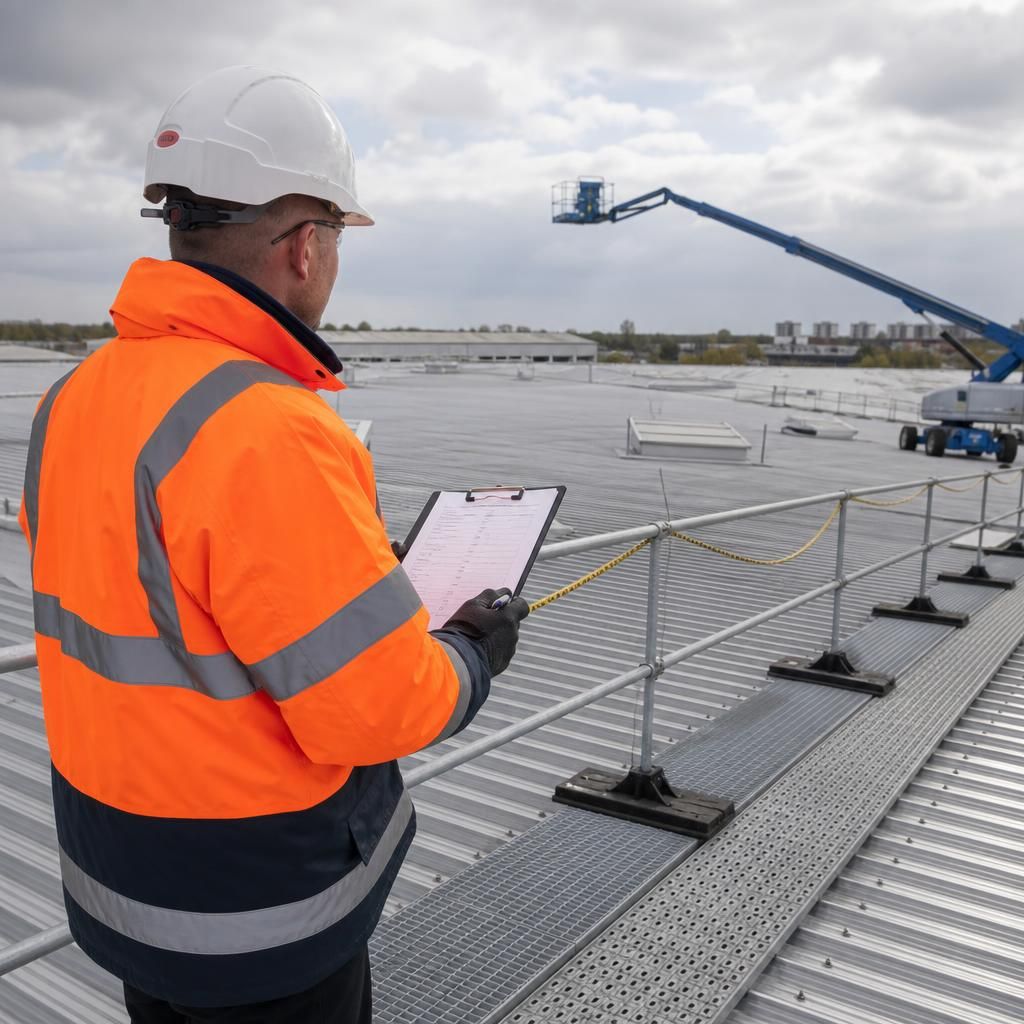
Site-specific risk assessment is the foundation of safe chemical and steam roof cleaning. Before work begins, the roof, access routes, surrounding ground and building operations are inspected so that hazards such as fragile coverings, roof lights, edges, drainage outlets, electrical equipment, pedestrians and nearby vehicles can be controlled.
The findings are recorded in a method statement covering access equipment, fall protection, PPE, chemical handling, steam temperature and pressure, exclusion zones, runoff control and emergency procedures. Operatives also check the weather and roof condition during the work. If wind, rain, unexpected damage, chemical drift or equipment failure creates a new risk, cleaning is paused and the controls are reviewed before proceeding.
This approach protects both people and the property by ensuring that the cleaning method is adjusted to the roof material, site layout and surrounding environment, rather than applying the same process to every commercial building.
Arrange a Safe Commercial Roof Cleaning Assessment
Arrange a safe commercial roof cleaning assessment so we can review the roof condition, access requirements, cleaning method and site-specific safety controls. Contact Encanto Exterior Cleaning to discuss the requirements for your Birmingham, West Midlands or UK premises.