
What are the best practices for maintaining slate roofs post-cleaning to extend their lifespan?
After slate roof cleaning, extend the roof’s lifespan by carrying out a post-clean inspection, keeping gutters and drainage clear, removing vegetation promptly, and arranging repairs for cracked, loose or slipped slates and defective flashings. Use gentle maintenance methods and avoid pressure washing, harsh chemicals, roof access or abrasive tools that may damage the slate and underlay.
The best way to extend a slate roof’s lifespan after cleaning is to inspect it carefully, keep water drainage clear, deal with defects promptly and avoid maintenance methods that can damage slate or its fixings. Cleaning removes surface dirt, algae, moss and organic growth, but it does not correct cracked slates, failed nails, defective flashings or problems with the roof structure. Post-cleaning maintenance should therefore combine a professional inspection with gentle routine care.
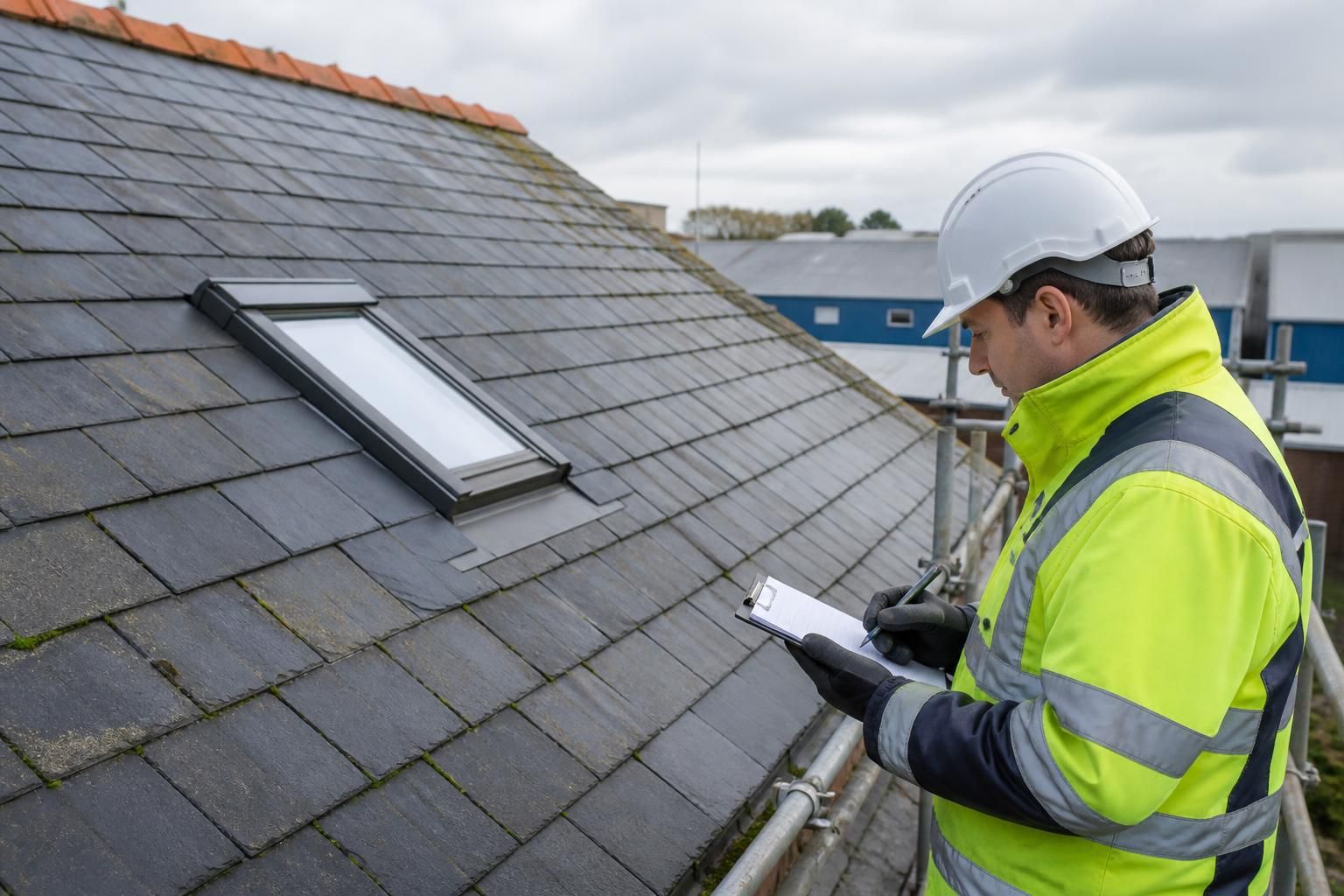
Arrange a post-clean inspection. Once the roof has been cleaned and is dry, check the slate courses, ridges, hips, valleys, abutments, flashings and areas around roof penetrations. Look for cracked, delaminating, loose or slipped slates, exposed fixings, damaged mortar and signs that water may be entering beneath the covering. Cleaning can make previously hidden defects easier to identify, so this is an appropriate time to record repairs rather than allowing minor faults to develop into widespread water damage.
A roof inspection should also consider the condition of the supporting components beneath the slates. Evidence of dampness in the loft, stained timbers, deteriorated sarking or damaged underlay may indicate a defect that is not visible from ground level. If access is required, it should be carried out by a competent professional using suitable access equipment and methods that avoid placing pressure on individual slates.
Keep gutters, valleys and outlets clear. Leaves, slate fragments, moss and other debris can obstruct the routes that carry rainwater away from the roof. Blocked gutters and downpipes allow water to overflow against fascias, walls and roof edges, while debris in valleys can hold moisture against the slate and associated flashings. Inspect drainage after cleaning and continue checking it as part of the property’s planned maintenance programme, particularly where trees overhang the roof.
Gutter guards and similar products should not be treated as a substitute for inspection. They can themselves collect organic matter or become displaced, so their condition and the flow of water should still be checked. Downpipes should discharge safely and should not allow persistent splashback or ponding against the building.
Remove vegetation before it becomes established. Moss, lichens, algae, ivy and other growth retain moisture and can work into joints, valleys and roof edges. Ivy is particularly damaging if it reaches beneath slates or into masonry. Vegetation should be removed using a controlled, non-abrasive method, without pulling on slates or disturbing flashings. If regrowth is persistent, identify and address the source of excess shade, moisture or debris rather than repeatedly scrubbing the roof.
Biocidal treatments may be appropriate in some circumstances, but they should be selected and applied by a suitably trained contractor. The product must be compatible with the roof materials, surrounding surfaces and local drainage arrangements. Run-off should be controlled, and treatment should never be used to conceal defects or replace physical repairs.
Repair damaged slates and fixings promptly. Cracked, broken, loose or slipped slates can admit water and expose the underlay and timbers to deterioration. Repairs should use suitable replacement slate and compatible fixings, with the new slate matched as closely as practical to the existing roof in size, thickness, type and appearance. Inappropriate substitutes, exposed fixings or poorly formed repairs can create additional water-entry points and may affect the character of an older or listed building.
Do not assume that a small number of damaged slates is the only issue. Repeated slipping, rusting nails or a concentration of failures may indicate nail fatigue, movement in the roof structure, deteriorated battens or wider moisture problems. A competent roofing professional can determine whether localised slate replacement is sufficient or whether further investigation is needed.
Check flashings, abutments and roof details. Lead or other flashing materials around chimneys, walls, roof windows, vents and valleys must remain secure and watertight. Look for lifting, splits, open laps, failed mortar joints and staining below the detail. Flashings should be repaired or renewed using appropriate materials and detailing rather than being covered with an unsuitable sealant. Sealants can deteriorate, trap moisture and make future repairs more difficult when used as a temporary solution.
Avoid aggressive maintenance methods. Slate is durable but can be brittle, laminated or weakened by age and weathering. Do not use pressure washing, abrasive brushes, grinders or harsh acidic or alkaline chemicals on the roof unless a specialist has confirmed that a particular method is safe for the slate, fixings and surrounding materials. High-pressure water can force moisture beneath slates, damage the surface, dislodge fixings and spread contaminated run-off. Walking directly on slate can also cause fractures that are not immediately visible.
Future cleaning should be based on the roof’s condition and the type of contamination present. When further work is needed, use the gentlest effective process, protect drainage routes and surrounding surfaces, and arrange a clear inspection afterwards. Roof cleaning should not be carried out simply to improve appearance if the covering is already fragile or structurally unsound.
Control roof access. Unplanned access is a common cause of slate damage after cleaning. Keep maintenance activity, satellite work, chimney work and other trades away from the roof unless access has been planned. Where access is unavoidable, use suitable ladders, roof ladders, scaffold or other load-spreading equipment, and ensure that operatives understand the vulnerability of slate coverings. Never drag equipment over the slates or place tools directly on the roof.
Maintain loft ventilation and internal conditions. Good ventilation helps reduce condensation beneath the roof covering, although it will not correct a leak or replace damaged underlay. Keep ventilation paths clear and check the loft for damp smells, mould, water marks, wet insulation or staining after periods of rain. Changes inside the building, such as new insulation or alterations to the ceiling, can affect airflow and should be considered alongside the roof’s condition.
Monitor the roof between planned inspections. From ground level, look for new dark patches, missing or uneven slates, overflowing gutters, damaged ridge details and vegetation returning around roof edges. After severe weather, check for slipped slates, displaced ridge materials and impact damage, but do not climb onto the roof to investigate. Interior checks are also useful: damp marks, peeling finishes and isolated staining can provide early evidence of a roof defect.
Keep a maintenance record showing the cleaning date, condition of the roof, products used, photographs, identified defects and completed repairs. This provides a useful reference for spotting changes and helps future contractors understand which areas have already been treated. For commercial and managed properties, records also support planned maintenance, access coordination and timely escalation of defects.
Use a planned maintenance approach rather than waiting for leaks. The appropriate inspection frequency depends on the slate type, roof age and pitch, exposure, surrounding trees, building use and the condition of the fixings and flashings. Arrange additional checks where the roof is exposed to severe weather, receives falling debris or has a history of moss, movement or water ingress. Prompt attention to small defects is normally less disruptive than allowing water to reach the underlay, timbers, insulation or internal finishes.
If cleaning has revealed widespread slate deterioration, recurring movement or signs of structural damage, further cleaning should be paused until the roof has been assessed by a qualified roofing professional. A sound maintenance plan protects the slate covering by combining careful cleaning, controlled access, effective drainage and timely repair rather than relying on repeated treatment alone.
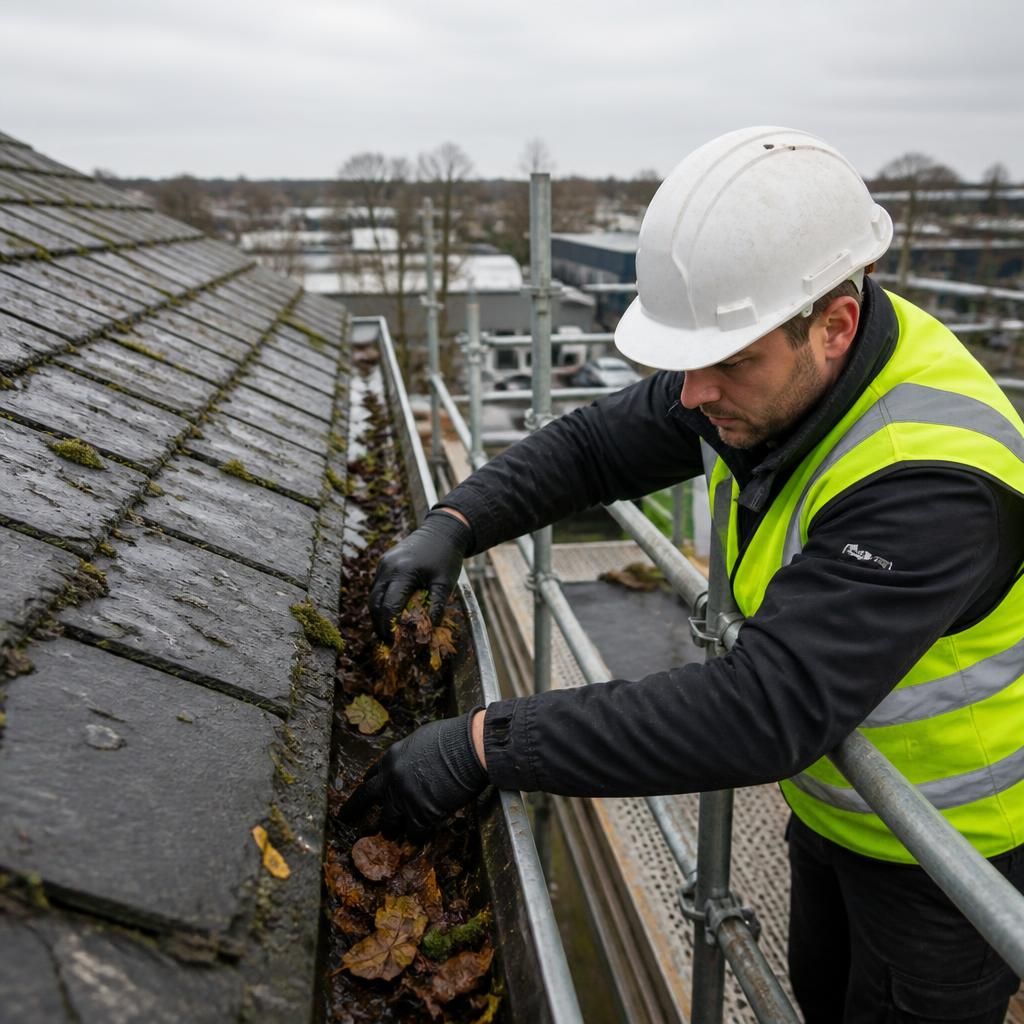
Keeping gutters, valleys and downpipes clear is one of the most effective ways to protect a slate roof after cleaning. Leaves, moss and loose slate fragments can obstruct drainage, allowing water to overflow onto fascias, walls and roof edges or remain against vulnerable flashings.
Check water flow after cleaning and include roof drainage in the planned maintenance schedule, particularly where trees overhang the building. Remove debris carefully without walking on the slates or disturbing their fixings. Gutter guards should also be inspected, as they can collect organic matter or become displaced. Clear drainage reduces prolonged dampness and helps prevent avoidable water damage beneath and around the slate covering.
Arrange Professional Slate Roof Maintenance
Arrange a professional post-clean inspection to identify damaged slates, defective flashings, blocked drainage and other issues before they lead to water ingress. Encanto Exterior Cleaning can help maintain your slate roof using suitable access equipment and careful, non-abrasive methods.