
How often should slate roof cleaning be performed?
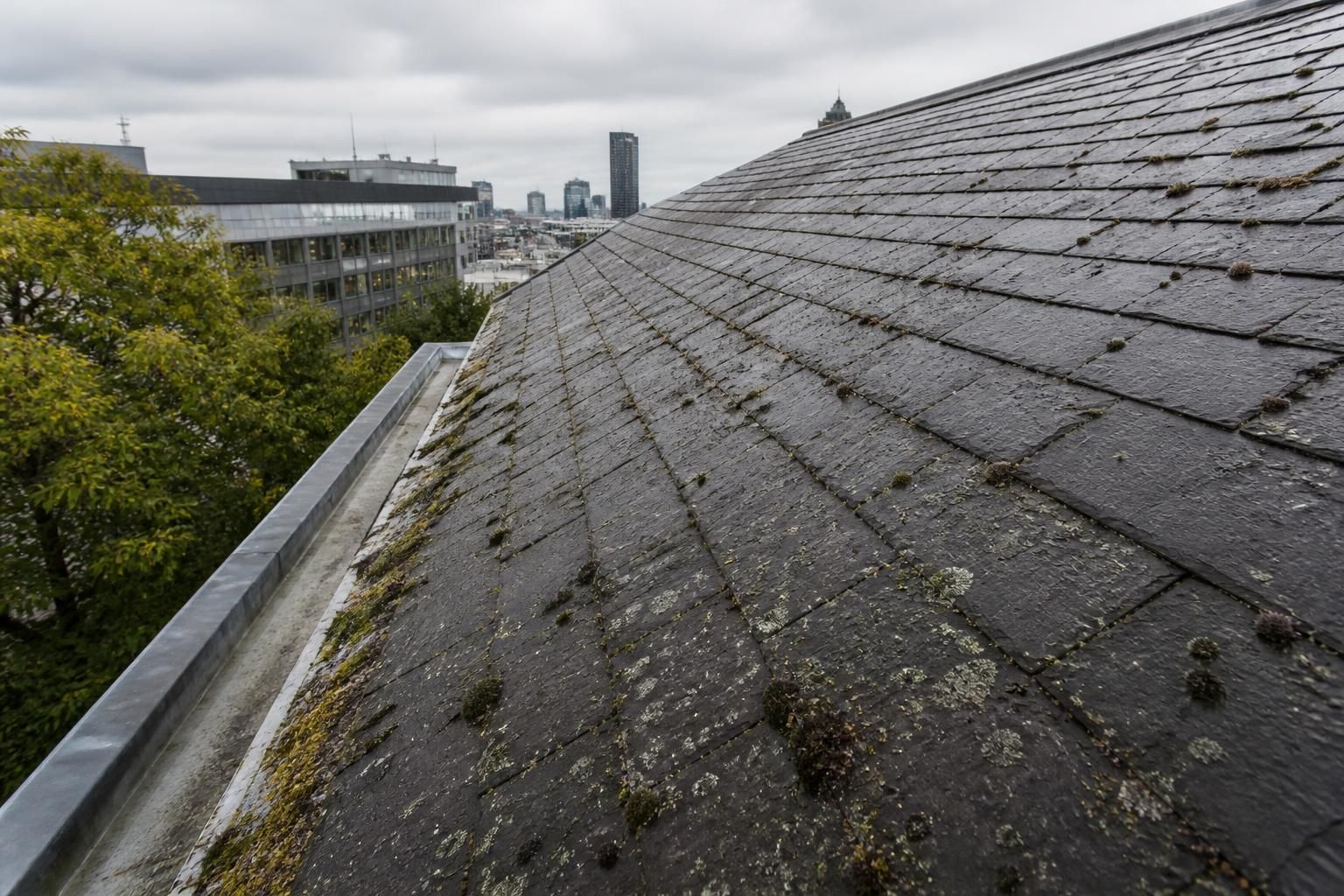
Slate roof cleaning should be carried out when inspection shows significant moss, algae, lichen or debris, rather than on a fixed schedule. Arrange at least an annual condition check, with professional cleaning typically needed only every few years depending on the roof’s exposure, surrounding trees, drainage and the type and extent of biological growth.
Slate roof cleaning should be carried out when the roof’s condition shows a clear need, rather than according to a rigid calendar. Arrange a professional condition inspection at least annually, while full cleaning is commonly required only every few years where moss, algae, lichen or accumulated debris has become established. The appropriate interval depends on the roof’s exposure, surrounding vegetation, drainage, slate condition and the amount of biological growth.
An inspection is more useful than automatically booking a clean because slate is a durable but relatively brittle roofing material. Unnecessary cleaning can disturb slates, fixings, flashings or mortar details, particularly if unsuitable pressure or access methods are used. A competent inspection should assess both the surface growth and the condition of the roof before any cleaning method is recommended.
Arrange an earlier inspection where you notice:
- Thick moss or lichen covering slates, ridges, valleys or abutments.
- Algae staining or persistent darkening that is spreading across the roof.
- Leaves, twigs or silt collecting around gutters, valleys and outlets.
- Water overflowing from gutters or downpipes because organic matter is restricting drainage.
- Loose, cracked, slipped or visibly deteriorating slates.
- Damp patches, staining or leaks within the roof space or upper areas of the building.
Moss and lichen should not be judged by appearance alone. A light covering may be mainly cosmetic, whereas established growth can retain moisture against the slate, extend beneath laps and obstruct drainage. Roots and attachment points may also make growth more difficult to remove safely. Cleaning is generally more urgent where growth is lifting at slate edges, blocking valleys or gutters, or remaining wet for long periods.
Factors that affect the cleaning interval include:
- Nearby trees: Overhanging branches increase leaf fall, shade and moisture retention. Trees can therefore make biological growth return sooner and increase the need for gutter and roof inspections.
- Orientation and exposure: Shaded or north-facing slopes often dry more slowly than sunny slopes. Roofs exposed to heavy rainfall, wind-driven debris or coastal conditions may also need closer monitoring.
- Roof pitch and drainage: Slopes with poor water run-off, blocked valleys or inadequate gutter drainage are more likely to retain moisture and debris.
- Slate type and condition: Older, weathered or delaminating slates require a more cautious assessment. The cleaning interval should never be extended or shortened without considering whether the slates can safely withstand the proposed process.
- Surrounding buildings and pollution: Urban deposits, construction dust and nearby industrial activity can leave surface soiling that may need attention even where moss growth is limited.
- Previous cleaning and treatment: The result and durability of an earlier clean depend on the method used, the condition of the roof and whether suitable post-cleaning treatment was applied.
After a professional clean, the roof should be monitored rather than repeatedly treated as soon as minor discolouration appears. Keep gutters, valleys and downpipes clear, remove leaves from areas where they accumulate, and check for new growth during routine building inspections. Where a biocide has been specified, it may continue to suppress regrowth after the visible material has been removed, but its performance is affected by weather, shading and the surrounding environment. A treatment is not a substitute for checking the roof and drainage system.
For most commercial and managed properties, a sensible approach is to include the slate roof in the annual planned maintenance programme. Record the roof’s condition, areas of growth, drainage issues and any vulnerable details during each inspection. A full clean can then be scheduled when the findings justify it, rather than using a fixed annual cleaning cycle. Properties beneath mature trees, in damp shaded locations or with recurring drainage problems may need more frequent inspections and localised maintenance, while a well-drained roof in an open position may remain satisfactory for longer.
Cleaning should be brought forward after severe weather, building work or nearby tree maintenance if debris may have reached the roof. Construction dust, mortar residue and fallen branches can affect drainage or conceal damaged slates. Likewise, any internal evidence of water ingress should be investigated promptly; cleaning alone will not correct a failed flashing, broken slate, defective mortar joint or other roofing fault.
Because slate can crack or slip when walked on or treated aggressively, professional cleaning should include a suitable access plan and a method appropriate to the roof’s age and condition. The aim is to remove harmful growth and debris while preserving the slates, fixings, flashings and water-shedding details. Following the clean, the roof should be reviewed for any defects that were hidden by growth, and repairs should be completed by an appropriately qualified roofing contractor where necessary.
In practical terms, plan an annual condition check and expect cleaning to be required only when inspection confirms significant growth, staining or debris. That approach protects the slate roof from both neglect and unnecessary intervention, helps maintain reliable drainage, and supports a longer service life.
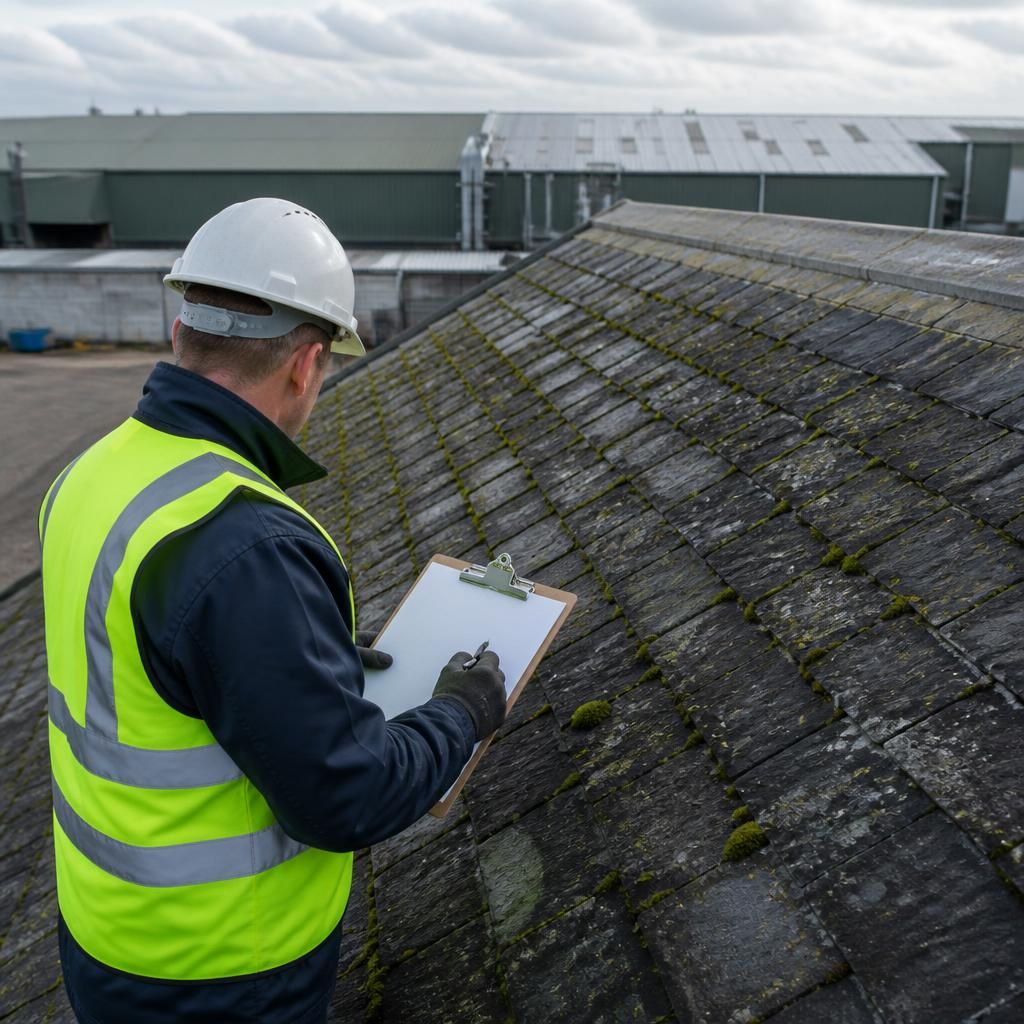
Slate roof cleaning should be guided by the roof’s condition, not an automatic annual cleaning schedule. An annual inspection can identify moss, lichen, blocked drainage, damaged slates and other issues, while a full clean is only needed when growth or debris is affecting the roof.
Roofs beneath trees, in shaded locations or with recurring drainage problems may need more frequent checks. After cleaning, continue monitoring the slates, valleys and gutters so any regrowth or debris can be addressed before it retains moisture or restricts water flow.