
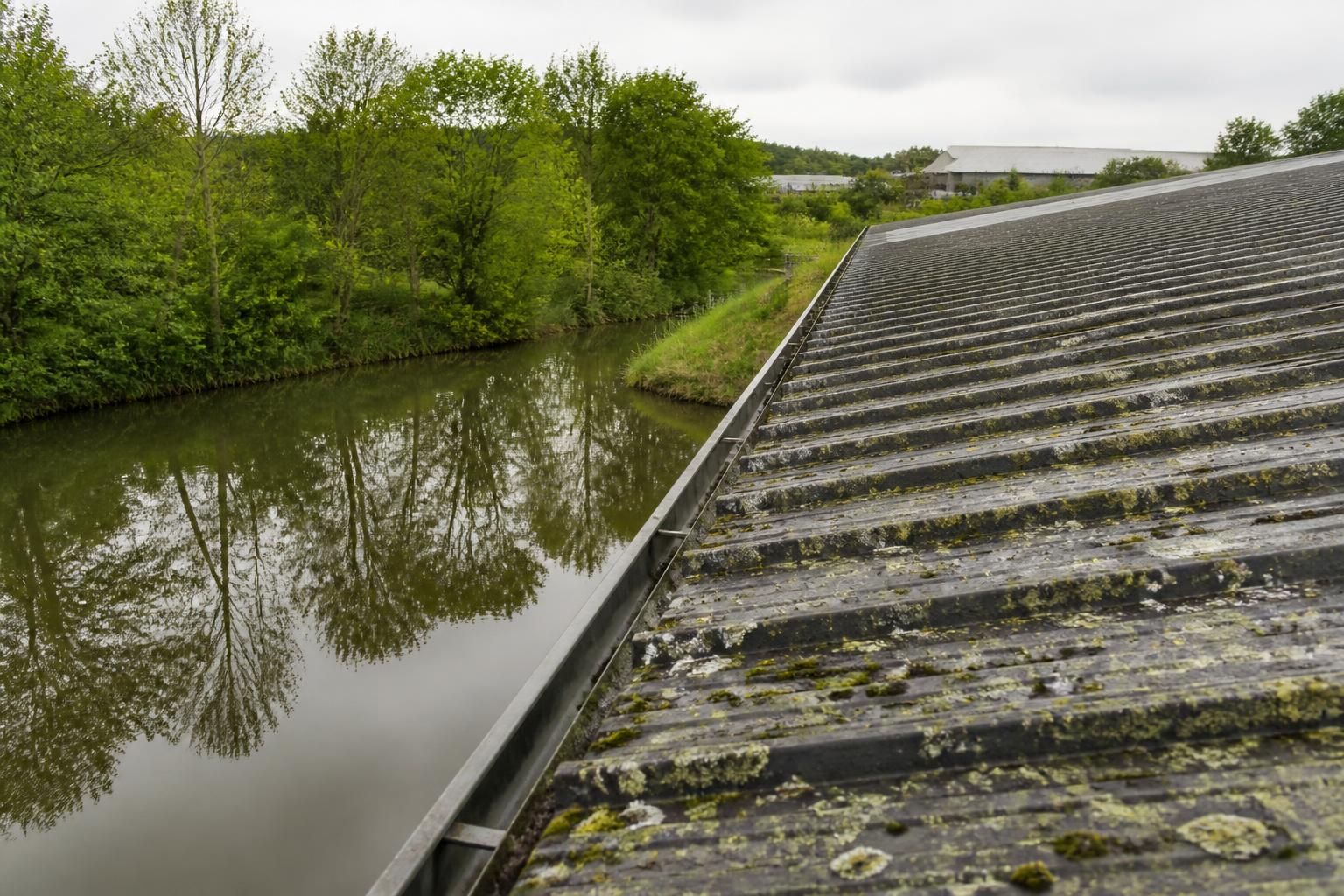
Are biocide roof cleaners safe for the environment?
Biocide roof cleaners can be safe for the environment when the correct product is applied at the specified dilution, with runoff, drainage and nearby vegetation carefully controlled. They are not risk-free, so responsible application, weather checks and compliance with the manufacturer’s instructions are essential to protect wildlife and waterways.
Biocide roof cleaners can be safe for the environment when the correct product is used at the specified dilution and applied with proper control of runoff. They are not risk-free: active ingredients may harm aquatic life, plants, soil organisms and non-target surfaces if they are allowed to enter drains, watercourses or surrounding ground. Environmental safety therefore depends on the product, the application method, weather conditions and the precautions taken before, during and after cleaning.
“Biocide” describes a product designed to control living organisms such as moss, algae, mould and lichen. Different formulations have different environmental profiles. Some may contain oxidising ingredients, while others use surface-active or quaternary ammonium compounds. The fact that a product is labelled as suitable for roofs, biodegradable or environmentally preferable does not mean that it can be discharged without control. The product label, safety data sheet and any relevant authorisation conditions should always be checked before use.
Responsible roof cleaning starts with a site assessment. This should identify nearby ponds, streams, ditches, surface-water drains, planted areas, hedges, vegetable beds, wildlife habitats, rainwater harvesting systems and sensitive building materials. The condition and pitch of the roof also matter, because loose tiles, blocked gutters or heavy rainfall can increase the amount of contaminated water leaving the work area.
Runoff is one of the main environmental risks. Concentrated or diluted cleaning solution should not be allowed to flow into surface-water drainage systems or natural watercourses. Before application, gutters and downpipes may need to be isolated, diverted or protected, and absorbent materials or suitable collection methods can be used where appropriate. Any collected residue should be handled and disposed of in accordance with the product instructions and applicable waste and drainage requirements. It should not simply be washed into the road, garden or drain.
Weather conditions have a direct effect on safety. Application should be postponed during heavy rain or when rain is likely to wash the product from the roof before it has completed its intended contact time. Strong winds can carry spray or mist onto neighbouring properties, vegetation and water. Very hot, dry conditions can increase evaporation and make it harder to control drift. A competent contractor should consider the forecast, wind direction, surface temperature and the likelihood of runoff before starting work.
Vegetation and wildlife also need protection. Plants close to the building should be covered or pre-wetted where suitable, and overspray should be prevented rather than relying on rinsing afterwards. Birds, pets and other animals should be kept away from the work area until the treatment has dried and the site has been made safe. Particular care is needed during periods when birds may be nesting on or around a roof. Any visible nests or protected wildlife should be dealt with in accordance with relevant legal requirements before cleaning proceeds.
Environmental protection does not mean using the strongest available chemical. Over-concentration can increase risk without improving the result, while under-application may encourage repeat treatments. The product should be selected for the type of organic growth and roof material, mixed accurately and applied evenly at the manufacturer’s stated rate. Unauthorised mixing of products can create additional hazards and should be avoided.
A responsible application process normally includes:
- checking the product label, safety data sheet and current usage requirements;
- assessing drainage, watercourses, vegetation, wildlife and nearby properties;
- confirming that the roof and surrounding surfaces are compatible with the treatment;
- protecting or isolating gutters, downpipes and vulnerable areas where necessary;
- using controlled application equipment to minimise spray drift and overspray;
- monitoring weather conditions throughout the work;
- keeping people, pets and wildlife away from the treated area;
- containing, treating or disposing of runoff and empty containers correctly; and
- recording the product used, dilution, site conditions and any control measures taken.
Operators should also follow the Control of Substances Hazardous to Health requirements where applicable, use the specified personal protective equipment and maintain suitable emergency procedures. These measures protect the operator, but they also support environmental control by reducing spills, incorrect mixing and uncontrolled application. Product instructions should take priority over general advice because formulations and permitted uses vary.
Eco-friendly alternatives may be available, including lower-impact formulations or cleaning methods that reduce chemical use. However, “eco-friendly” is not a universal technical classification, and a milder product can still affect aquatic organisms or plants if it reaches the wrong location. In some situations, low-pressure washing, steam cleaning or mechanical removal may reduce the need for biocide. These methods are not suitable for every roof, and aggressive pressure washing can damage tiles, coatings, pointing or membranes and may create additional runoff.
The most environmentally responsible approach is therefore to use the least intensive effective method, apply only the amount required, and prevent discharge to sensitive areas. Where a biocide is necessary, careful product selection, accurate dilution, controlled application and proper runoff management can substantially reduce environmental risk. If a roof is close to a watercourse, has complex drainage or requires extensive treatment, the work should be planned by a competent contractor with appropriate chemical-handling and access experience.
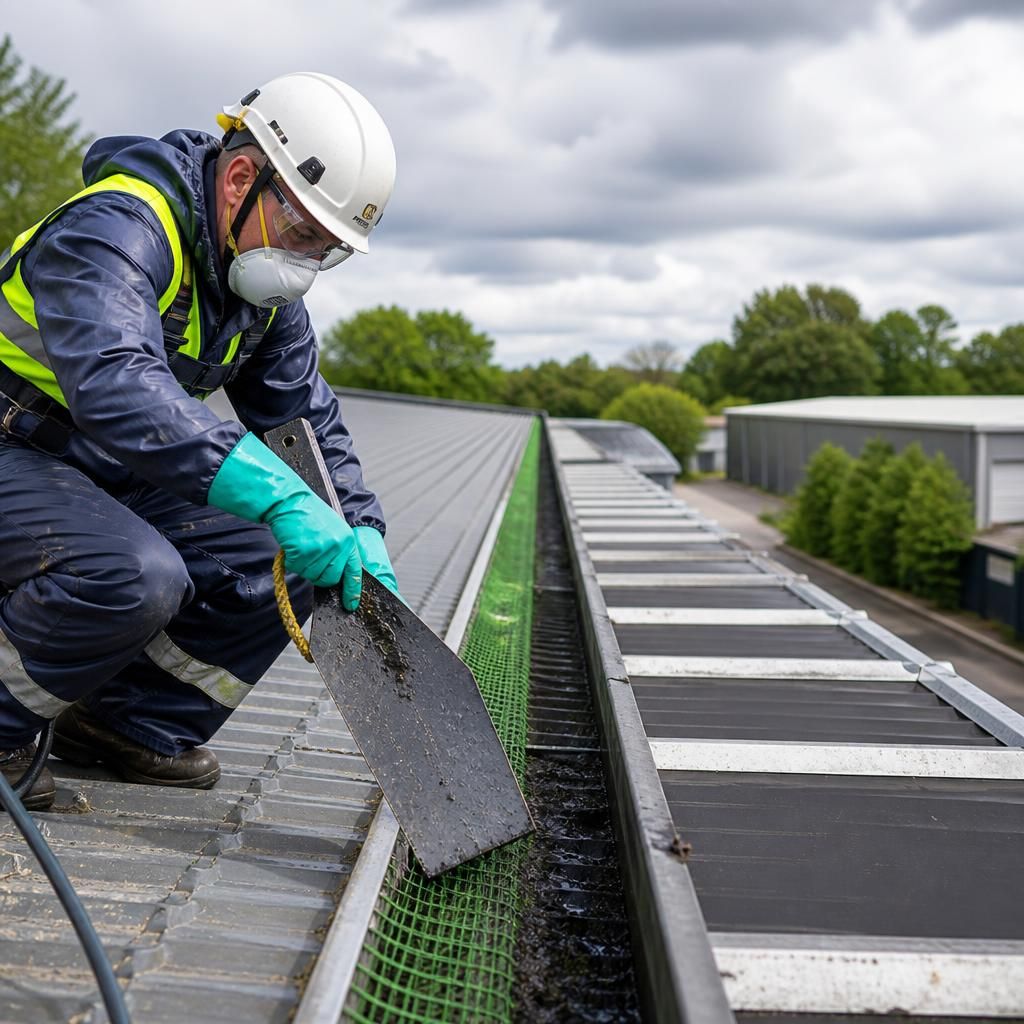
Environmental safety when using a biocide roof cleaner depends largely on controlling contaminated runoff. The treatment must not be allowed to flow into surface-water drains, ponds, streams, planted areas or neighbouring ground, where active ingredients may harm aquatic life, vegetation and soil organisms.
Before application, assess the roof’s drainage and protect, divert or isolate gutters and downpipes where necessary. Use the correct dilution, avoid spraying beyond the roof area, and postpone the work during rain or strong winds. Any collected residue should be handled and disposed of according to the product label, safety data sheet and applicable drainage requirements rather than being washed into a road or drain.