
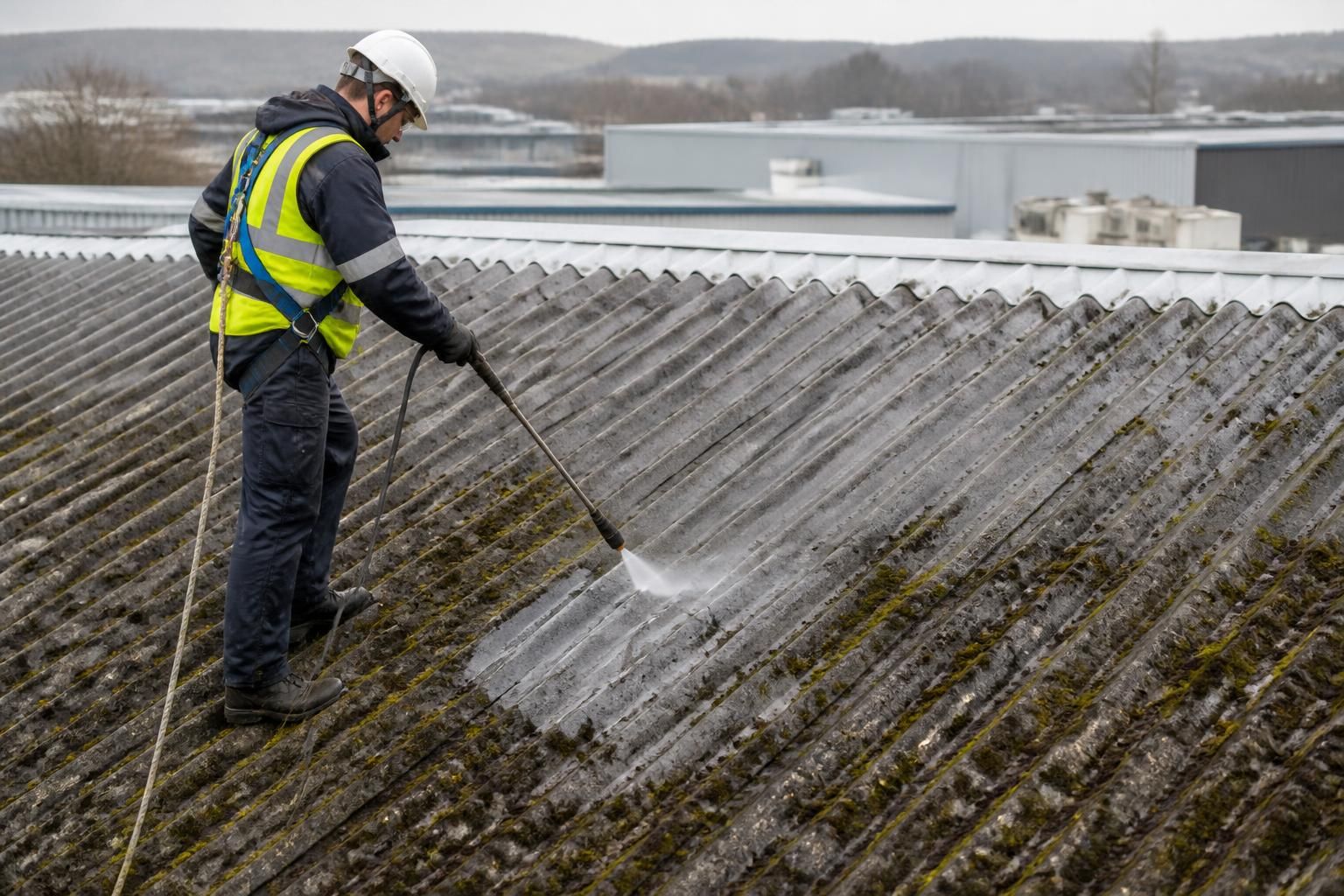
How often should biocide treatments be applied to maintain effective roof protection?
Biocide treatments should be reviewed at least annually and reapplied when moss, algae or lichen begins to return, rather than according to a fixed schedule. The effective interval varies with roof material, shading, moisture, weather exposure and surrounding vegetation, so some roofs may need treatment every few years while others require more frequent maintenance.
Biocide roof treatments should be reviewed at least annually and reapplied when moss, algae or lichen shows signs of returning, rather than applied to a fixed timetable. The effective protection period depends on the roof material, local weather, shade, moisture levels, nearby vegetation and the type of biocide used. Some roofs may remain relatively clear for several years, while roofs in damp, shaded or heavily vegetated locations may need more frequent treatment.
An annual inspection does not necessarily mean an annual application. It provides an opportunity to assess whether the previous treatment is still working and to identify early biological growth before it becomes established. During the inspection, check for:
- New green, black or brown staining associated with algae or lichen;
- Moss appearing along tile edges, in laps, valleys, gutters or shaded areas;
- Lichen discs becoming firmly attached to the roof surface;
- Blocked or contaminated gutters and rainwater outlets;
- Persistent dampness caused by overhanging branches, poor ventilation or drainage issues; and
- Changes in the roof material, surface coating, pointing or sealants.
Reapplication is generally appropriate when biological growth is returning across significant areas, when isolated growth is spreading, or when the roof is becoming visibly stained again. Treating early is usually preferable to allowing thick moss and lichen to develop, as established growth can retain moisture, add weight, obstruct drainage and make subsequent cleaning more intensive. A treatment should not be repeated simply because a calendar date has been reached if the roof remains clean and the product instructions do not require it.
Several site conditions affect how long a treatment remains effective:
- Shade: Roofs shaded by trees, neighbouring buildings or roof structures dry more slowly and commonly support recurring moss and algae.
- Moisture: Persistent dampness, condensation, poor drainage and leaking gutters can shorten the useful interval between treatments.
- Vegetation: Overhanging branches deposit organic matter and reduce airflow, creating conditions where growth can return quickly.
- Roof orientation: Slopes receiving less direct sunlight may need closer monitoring than sunnier elevations.
- Roof material and condition: Slate, concrete tiles, clay tiles, coated metal and other materials have different levels of porosity and different cleaning requirements. Ageing or weathered surfaces may also need a more cautious approach.
- Previous cleaning: A roof that has been thoroughly cleaned and treated may respond differently from one with deeply rooted or widespread contamination.
- Product formulation: The expected reapplication interval must follow the product label, technical information and any conditions specified by the treatment manufacturer.
Seasonal timing also affects maintenance. Treatment is normally most useful when the roof can remain undisturbed long enough for the product to work and when weather conditions are suitable for the chosen formulation. Heavy rain soon after application can dilute or remove the treatment, while very cold, windy or excessively hot conditions can affect application and drying. The exact requirements vary, so weather forecasts, roof access and the product instructions should be considered before booking or carrying out the work.
Biocide treatment is not a substitute for correcting the cause of recurring growth. If moss returns quickly, inspect nearby trees, gutters, drainage, roof detailing and areas that remain permanently shaded. Carefully managing overhanging vegetation and keeping rainwater systems clear can extend the period between applications. Any remedial work should be planned so that it does not damage the roof or disturb a recently applied treatment.
Do not automatically combine a biocide with pressure washing or another chemical treatment. Some roofs need a compatible cleaning process first, followed by a separate treatment application, while fragile or weathered materials may require a low-pressure or non-abrasive approach. The roof material, existing coatings and condition should be assessed before selecting the method. Product labels and safety data should also be followed, including requirements for protecting people, plants, soil, drainage systems and collected rainwater.
For an effective maintenance plan, record the date of each inspection and application, the product used, the roof areas treated, weather conditions and any areas where growth was already returning. Reviewing these records over time makes it easier to establish a site-specific interval rather than relying on a generic recommendation. In practice, annual condition checks with treatment applied when growth reappears provide more reliable protection than routine applications at unnecessarily short intervals.
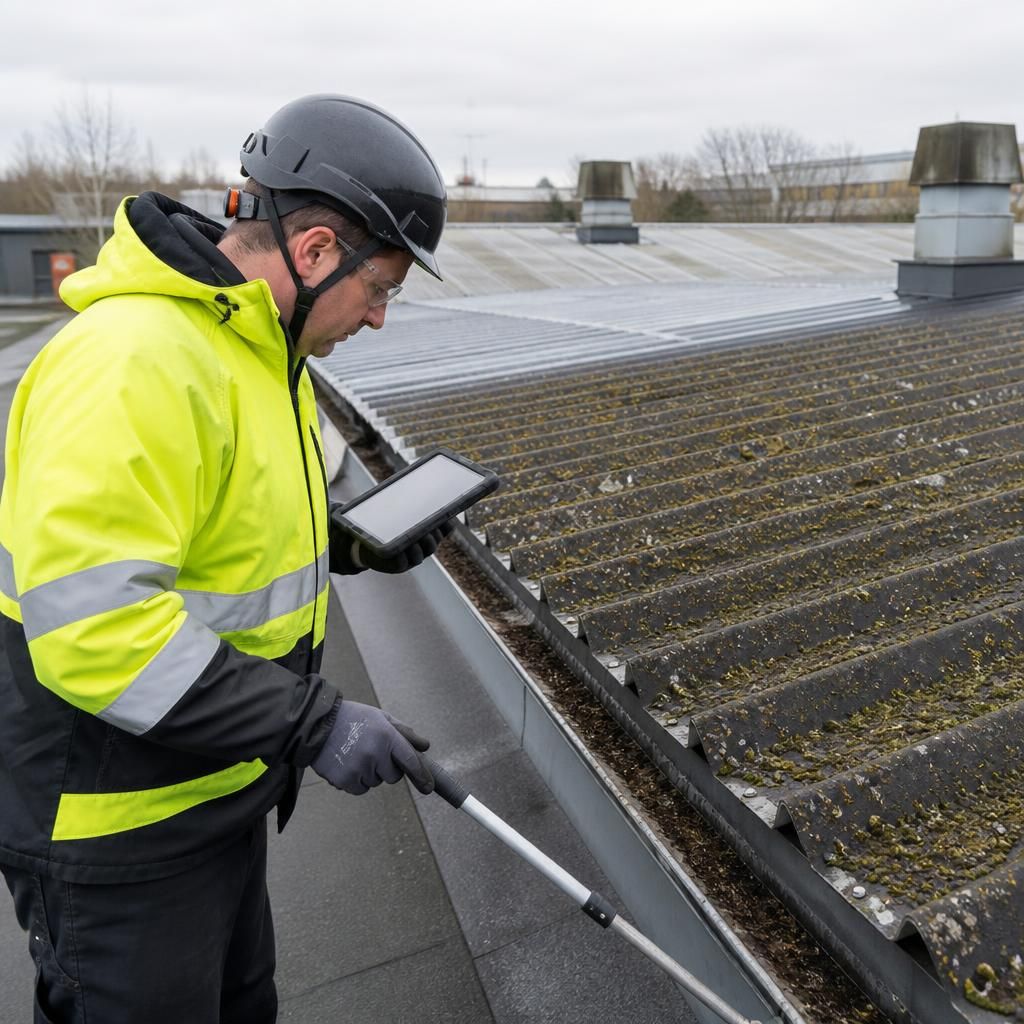
Biocide treatments should usually be reviewed annually, but they should not automatically be reapplied every year. The correct interval is determined by the return of moss, algae or lichen and by the product manufacturer’s instructions.
During each inspection, check shaded roof slopes, tile laps, valleys, gutters and areas beneath overhanging trees. If biological growth is beginning to reappear, early treatment is generally more effective than waiting until thick moss or firmly attached lichen has developed. Roofs that remain clean may only require monitoring, while damp, shaded or heavily vegetated areas may need treatment sooner.
Keeping gutters clear, improving drainage and managing overhanging vegetation can also extend the period between applications. Recording inspection dates, treated areas and signs of returning growth helps establish a practical, site-specific maintenance interval without applying chemicals unnecessarily.
Arrange a Roof Biocide Treatment Review
Arrange a roof biocide treatment review with Encanto Exterior Cleaning to assess returning moss, algae or lichen and determine whether reapplication is required. We can recommend a suitable maintenance interval based on your roof’s material, condition and surrounding environment.