
How can I determine the most effective application frequency for biocide treatments on my roof?
The most effective application frequency depends on the roof material, level of moss and lichen growth, local exposure and the biocide manufacturer’s instructions. In practice, arrange periodic inspections and reapply only when treatment effectiveness is declining or regrowth appears, rather than following a fixed schedule.
The most effective application frequency for a roof biocide is determined by the roof material, the amount and type of biological growth, local weather exposure, and the treatment manufacturer’s instructions. A fixed annual schedule is not suitable for every roof. The practical approach is to inspect the roof periodically and reapply when the existing treatment is losing effectiveness or early regrowth is identified.
Biocide treatments are intended to control moss, lichen, algae and other organic growth after application. They do not provide a permanent barrier, and their useful life varies between roofs. A shaded roof beneath trees may require attention more frequently than a roof exposed to direct sunlight and good airflow. Buildings in damp, sheltered areas can also experience faster regrowth than exposed commercial or industrial premises.
Assess the roof before setting a treatment interval
- Roof material: Slate, concrete tiles, clay tiles, coated metal and other materials can have different levels of porosity and different manufacturer requirements. The treatment must be compatible with the surface, and some materials may need a more cautious inspection-led programme.
- Existing growth: Heavy moss, established lichen and extensive algae usually require a carefully planned initial treatment, rather than repeated applications at short intervals. Thick growth may also need compatible physical removal before or alongside treatment.
- Shade and moisture: North-facing slopes, areas beneath trees, roof sections beside taller buildings and surfaces with poor drainage tend to remain damp for longer, increasing the likelihood of regrowth.
- Weather exposure: Rainfall, wind, temperature and sunlight affect both the application conditions and how quickly biological growth returns. Run-off, repeated wetting and leaf accumulation can reduce the duration of visible results.
- Roof condition: Loose coverings, damaged pointing, blocked gutters and defective drainage should be addressed separately. A biocide cannot correct maintenance defects that retain moisture or allow debris to collect.
- Product instructions: The label and technical data supplied for the selected product should determine the permitted application method, dilution, weather conditions, re-entry requirements and any restrictions on repeat use.
Use inspection findings rather than a calendar alone
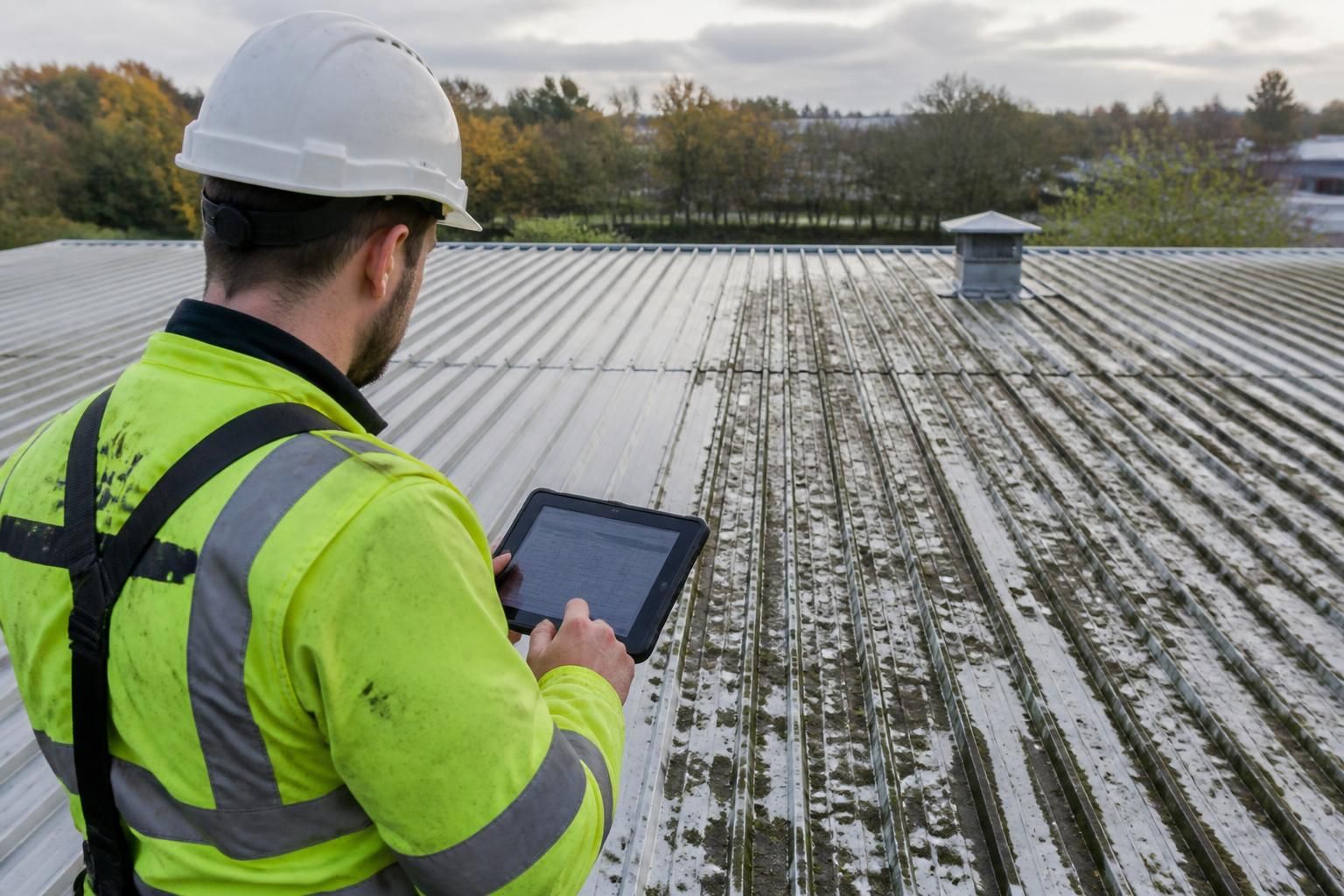
After an initial treatment, arrange periodic visual inspections to check whether moss or lichen is returning, whether algae staining is increasing and whether treated areas remain clean and stable. Inspections should include roof slopes, sheltered edges, areas around rooflights and details where water or organic debris tends to collect. For larger commercial or industrial premises, inspection records can be included within the planned maintenance programme.
Reapplication is normally considered when there is clear evidence that the treatment is no longer providing adequate control. Early signs can include new green growth, lichen attachment becoming more established, spreading dark algae deposits or moss returning around shaded roof sections. Minor staining alone does not always mean that an immediate repeat application is necessary, particularly where the treatment is still suppressing active growth.
A roof that has been cleaned and treated for the first time may need closer observation while the condition of the surface is stabilised. Once the pattern of regrowth is understood, future applications can be planned around the roof’s actual performance. If growth returns in isolated areas, targeted treatment may be more appropriate than treating the entire roof, provided the product instructions and site conditions allow this.
Why over-application should be avoided
Applying biocide more often than necessary does not automatically improve roof protection. Unnecessary applications can increase chemical use, create additional run-off risks and expose roof materials, vegetation and drainage systems to avoidable treatment. They may also breach the product label or site environmental controls. The correct dilution and application rate are as important as the interval between treatments.
Do not reapply simply because a roof still shows residual discolouration immediately after treatment. Some biocides continue working over time, and dead or weakened growth may weather away gradually. Allow the product to perform according to its instructions, then assess whether active regrowth is present before arranging further work.
Seasonal timing and site conditions
Frequency and timing are closely linked. Treatment should be scheduled when weather conditions meet the product requirements, with sufficient time for the solution to remain on the surface and work effectively. Heavy rain, freezing conditions, strong wind and very hot or rapidly drying surfaces can make application unsuitable or reduce control.
On sites affected by falling leaves, bird activity or nearby vegetation, cleaning gutters and removing organic debris may help extend the useful period between biocide applications. Improving drainage, reducing persistent shade where practical and repairing leaks can also reduce the conditions that support moss and lichen.
A sensible maintenance process
- Record the roof material, existing defects, growth levels, shaded areas and nearby sources of debris.
- Select a compatible biocide and follow its current label and technical instructions.
- Apply only under suitable weather and site conditions, using controls to protect people, drainage, vegetation and adjacent surfaces.
- Record the treatment date, product details, areas treated and any areas excluded because of access or roof condition.
- Inspect the roof periodically and compare current conditions with the treatment record and previous photographs.
- Arrange a repeat application only when active regrowth or declining control justifies it, then update the maintenance plan.
For complex roofs, listed or fragile materials, large premises, or sites close to watercourses and sensitive planting, frequency should be set following a competent survey and a site-specific risk assessment. Encanto Exterior Cleaning can assess the roof condition, exposure and biological growth, then recommend an inspection-led treatment programme rather than applying biocide to an unsuitable surface or at an unnecessary interval.
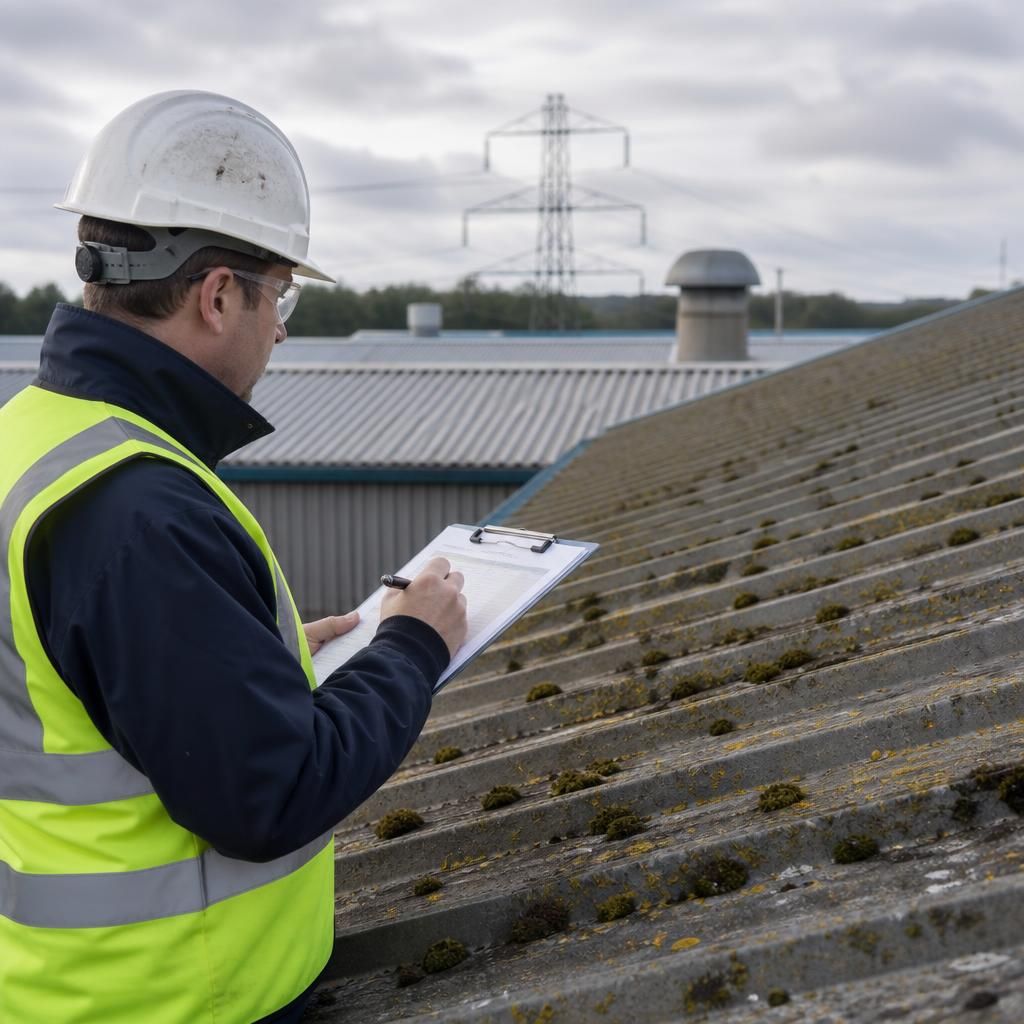
The most effective application frequency is established through inspection rather than a fixed calendar. After treatment, check for active moss, lichen or algae regrowth, particularly on shaded slopes, beneath trees and where moisture or organic debris collects. Reapply only when the existing treatment is no longer providing adequate control, and always follow the product label and site-specific safety requirements.
Recording treatment dates, roof conditions and photographic changes helps identify the actual regrowth pattern. This inspection-led approach avoids unnecessary chemical use while ensuring areas that need further protection are treated promptly.
Arrange a Roof Biocide Treatment Assessment
Arrange a roof biocide treatment assessment with Encanto Exterior Cleaning to review your roof’s material, growth, exposure and current treatment condition. We can recommend an inspection-led application frequency suited to the site and its maintenance requirements.