
Is biocide roof treatment safe for all roof types?
Biocide roof treatment is suitable for many common roof types, including concrete tiles, clay tiles and some slate surfaces, but it is not automatically safe for every roof. The treatment must be matched to the roof material and condition, with a test application and appropriate precautions used to protect delicate, damaged or chemically sensitive surfaces.
Biocide roof treatment is suitable for many common roof types, including concrete tiles, clay tiles and some slate surfaces, but it is not automatically safe for every roof. The treatment must be matched to the roof material and condition, with a test application and appropriate precautions used to protect delicate, damaged or chemically sensitive surfaces.
Biocides work by controlling moss, algae, lichen and other organic growth rather than relying solely on aggressive pressure. However, safety depends on the active ingredient, concentration, application method, contact time and the condition of the roof. A product that is appropriate for one surface may stain, weaken, discolour or affect the protective coating on another.
Common roof materials and their suitability
- Concrete tiles: These are generally suitable for a correctly selected biocide treatment. Their porous surface can retain organic growth, but loose, cracked or badly weathered tiles require careful assessment before any chemical is applied.
- Clay tiles: Many clay tiles can be treated, although older or fragile tiles may be more vulnerable to surface erosion, staining or breakage. The condition of the glaze or finish should be checked before treatment.
- Natural slate: Some slate roofs can be treated safely, but slate varies considerably in composition and durability. Delaminating, flaky or fractured slate should not be treated without a specialist inspection, and foot traffic should normally be avoided.
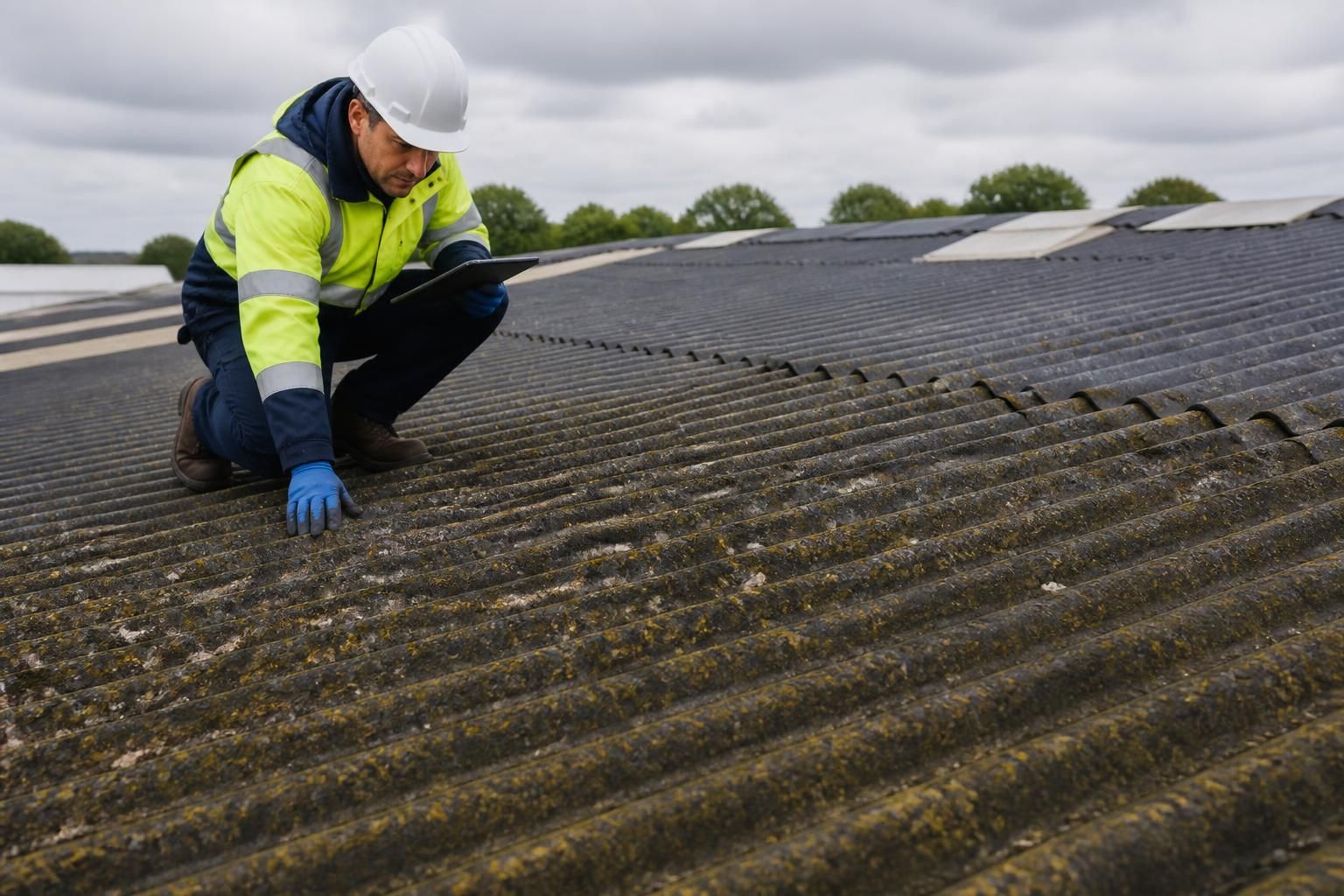
- Fibre cement sheets: These may be compatible with selected products, but older sheets can be brittle and may contain asbestos. The material must be identified before work begins, and suspected asbestos-containing sheets must not be disturbed or treated as ordinary roofing.
- Metal roofing: Coated steel, aluminium, zinc and other metals need product-specific advice. Certain chemicals can affect coatings, promote corrosion or leave residues, particularly where the finish is already damaged.
- Bitumen and flat-roof membranes: These surfaces require particular caution. Some treatments may affect the membrane, soften bitumen or interfere with an existing coating. Compatibility should be confirmed with the roofing system manufacturer or product documentation.
- Thatch and specialist roofs: Thatch should not be treated with a standard roof biocide. Its construction, moisture behaviour and fire-safety requirements are different, so advice must come from a suitably qualified thatching or roofing specialist.
A roof’s age and condition are as important as its material. Cracked tiles, open joints, exposed underlay, failed flashings, loose ridge tiles and areas of standing water can all increase the risk of damage or unwanted chemical ingress. Biocide treatment does not repair these defects, and applying it to an unstable roof can make an existing problem harder to identify.
Before treatment, the surface should be inspected for its material, finish, drainage arrangements and surrounding risks. A small test area is useful for checking colour change, surface reaction and the expected result. The test should be left for an appropriate period and reviewed before treating the wider roof, particularly on slate, coated metal, painted surfaces and older roofing materials.
The application method also affects safety. A controlled, low-pressure application is normally preferable to forceful spraying, which can dislodge tiles, drive water beneath laps or damage coatings. The product should be applied at the manufacturer’s stated dilution and contact time. Different chemicals must not be mixed, and a treatment should never be used outside its label instructions simply because it has worked on another roof.
Good preparation and site control are essential. Gutters, downpipes, rooflights, solar equipment, painted details and vulnerable materials should be protected where appropriate. Run-off must be managed so that the solution does not enter watercourses, ponds, drainage systems or areas of sensitive planting. Operatives should use the required personal protective equipment and follow the relevant COSHH assessment and safety data sheet.
Extra care is needed where a roof has solar panels, rainwater harvesting, nearby planting, occupied buildings or public access below. These factors do not necessarily prevent treatment, but they can change the preparation, exclusion zones, collection of run-off and choice of product. Any existing roof coating or previous treatment should also be identified because compatibility cannot be assumed.
In practical terms, biocide treatment is usually a suitable maintenance option for sound, compatible roof coverings when it is specified and applied professionally. It is not a universal treatment for every roof type, and a roof should not be treated until its material and condition have been confirmed. Where compatibility is uncertain, the safest approach is to pause, inspect the surface, consult the product information or roofing manufacturer, and carry out a controlled test before proceeding.
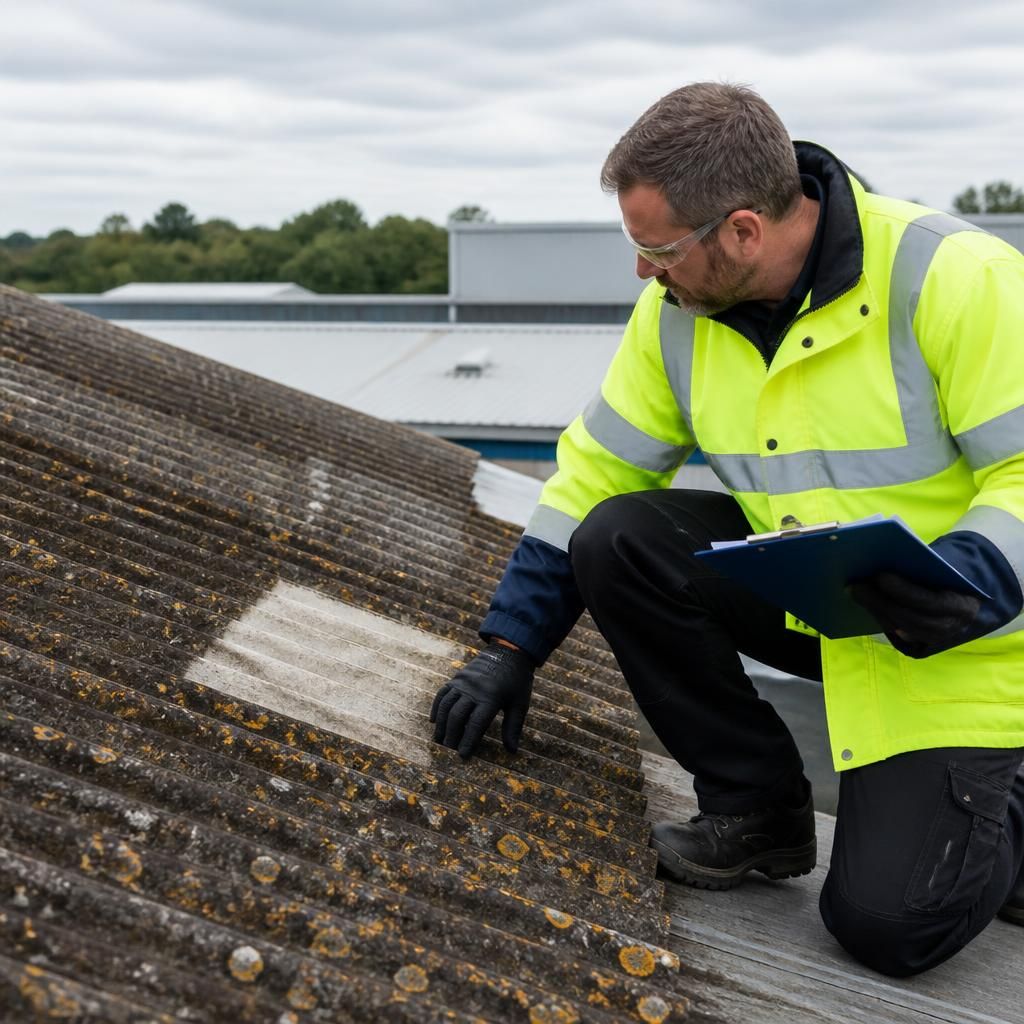
Biocide roof treatment is safest when the roof material and its condition have been checked before application. A product suitable for sound concrete tiles may not be appropriate for fragile slate, coated metal, bitumen membranes or older fibre cement.
A controlled test area should be used where compatibility is uncertain, particularly on weathered, painted or previously treated surfaces. The test can identify colour changes, coating reactions or other damage before the full roof is treated. Cracked tiles, loose coverings, failed flashings and exposed underlay should also be assessed first, as biocide treatment will not repair existing defects.