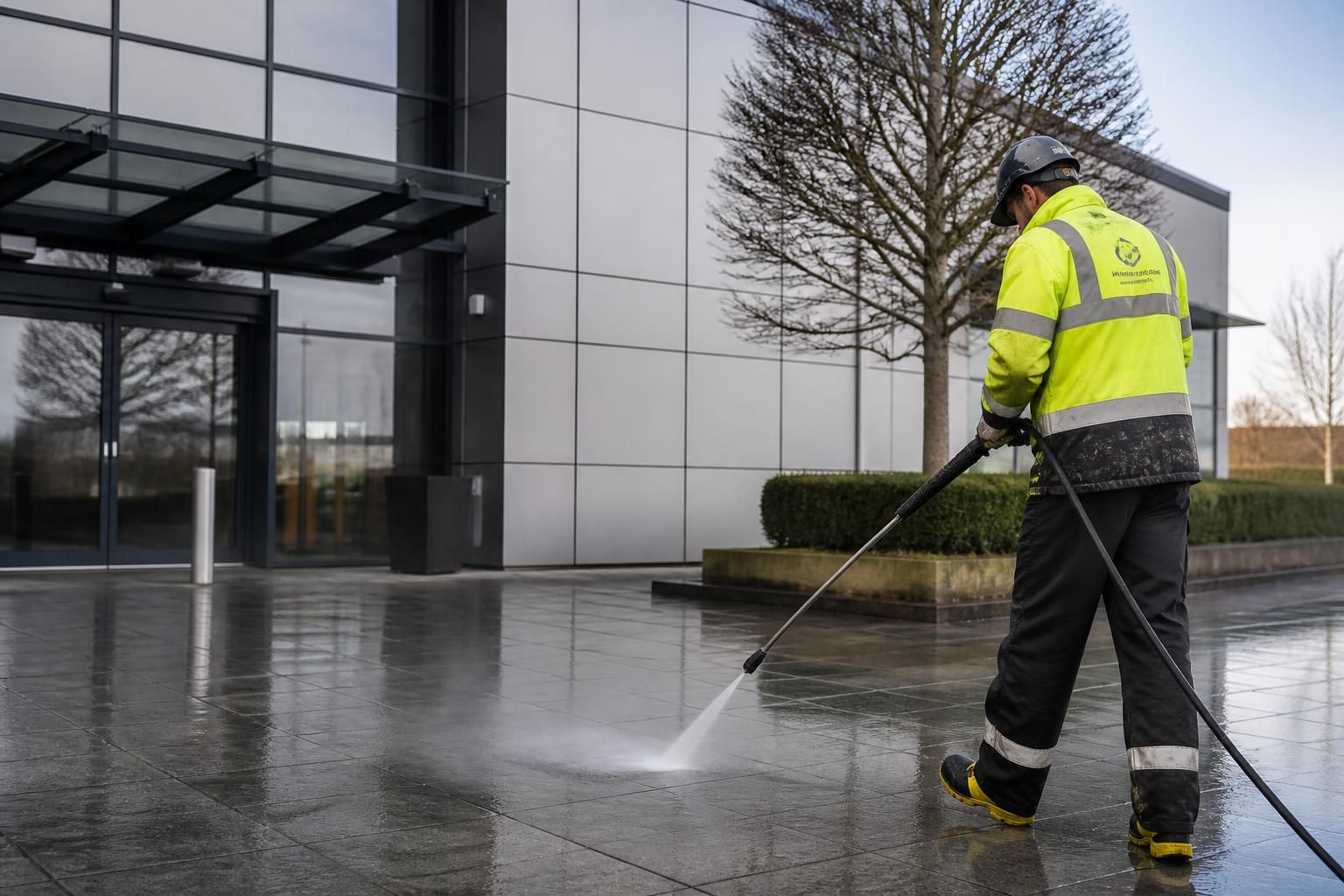
What types of cleaning methods are most effective for different building materials?
The most effective cleaning method depends on the building material, its condition and the type of contamination. Pressure washing suits robust surfaces such as concrete and some masonry, while steam cleaning or soft washing is generally safer for render, delicate stone, cladding and painted finishes.
The most effective cleaning method depends on the building material, its condition and the type of contamination. Pressure washing is generally suitable for robust surfaces such as concrete and some masonry, while steam cleaning, soft washing and controlled low-pressure techniques are usually safer for render, delicate stone, cladding and painted finishes. The correct approach removes contamination without driving water into the substrate, stripping protective coatings or causing surface damage.
Before selecting equipment, the surface should be assessed for its age, porosity, previous treatments, damaged areas, joints, sealants, glazing and nearby sensitive materials. The cleaning method should also reflect the contamination present. Organic growth, traffic film, algae, oil, cement residue, atmospheric soiling and graffiti do not respond equally to the same treatment. A small test area is normally the safest way to confirm the pressure, temperature, cleaning solution and dwell time before completing the wider building.
Concrete and hard paving
Concrete is usually able to tolerate pressure washing, making it suitable for many car parks, loading areas, yards, paths and hard-standing surfaces. Pressure washing can remove ingrained dirt, tyre marks, algae, moss and general traffic film effectively. Flat-surface cleaning equipment can help produce a more even finish and reduce overspray compared with using a lance alone.
Care is still required because aged, cracked or friable concrete can be damaged by excessive pressure. Strong cleaning can expose aggregate, enlarge existing defects or leave visible striping. Oil and other petroleum-based contamination may need a suitable degreasing treatment before rinsing. Run-off should be controlled so that contaminated water does not enter surface drains without appropriate precautions.
Brickwork and masonry
Sound, well-fired brickwork can often be cleaned with carefully controlled pressure washing, steam cleaning or a low-pressure wash system. The best choice depends on the brick’s hardness, its level of weathering and the condition of the mortar joints. Steam cleaning is useful where heat can loosen atmospheric dirt while avoiding the need for aggressive mechanical action.
Older, handmade or softer bricks need particular caution. Excessive pressure can erode the face of the brick, remove the fired surface and damage mortar. Saturating masonry can also increase the risk of moisture penetration and frost-related deterioration. Cleaning should therefore be carried out at the lowest effective pressure, with attention to joints, cracks and areas of failed pointing. Chemical treatments should only be used where they are compatible with the brick and are thoroughly rinsed or neutralised as required.
Natural stone
Natural stone must be treated according to its type and condition. Granite and some other dense stones may tolerate controlled pressure washing, whereas limestone, sandstone and weathered stone are more porous and vulnerable to surface loss. Steam cleaning or a carefully selected soft-washing process is often preferable for delicate stone, particularly when removing biological growth or light atmospheric soiling.
Acidic or strongly alkaline products can stain, etch or alter the appearance of stone. Iron-rich stone may also develop staining if unsuitable products are applied. A professional assessment should identify the stone, inspect for previous repairs and confirm whether a cleaning solution is appropriate. The aim is to remove deposits without removing the natural patina or weakening the surface.
Render and painted render
Render is more vulnerable than concrete because it can be porous, layered, cracked or poorly bonded. Soft washing, steam cleaning and controlled low-pressure rinsing are generally safer than high-pressure cleaning. These methods can remove algae, moss, staining and light atmospheric dirt while reducing the risk of dislodging the render or forcing water behind it.
Pressure should be kept away from cracks, open joints, damaged edges and areas where the coating is already lifting. Painted render may require an even gentler approach to avoid marking, chalking or removing the finish. If the render has failed or is extensively cracked, cleaning alone will not resolve the underlying problem; repairs may be needed before or after cleaning, depending on the condition and the source of the moisture.
Metal cladding and composite panels
Metal cladding is commonly cleaned with a low-pressure wash, soft-washing solution or steam cleaning, depending on the coating and contamination. These methods are effective for removing dust, traffic film, algae and atmospheric deposits from large façades without unnecessarily abrading the finish. The cleaning system must be compatible with the panel coating, protective film, sealants and fixings.
High pressure can force water into laps, joints, vents and damaged seals. Abrasive pads and unsuitable chemicals can scratch the surface, dull the coating or cause colour variation. Particular care is needed with powder-coated finishes, anodised aluminium and composite panels, as their appearance can be permanently altered by harsh cleaning. Rinsing should be controlled around windows, doors, electrical fittings and other penetrations.
Glass, windows and glazed façades
Glass is normally cleaned using a suitable detergent, controlled rinsing and appropriate glass-cleaning equipment. Pure-water systems can be effective for routine external window and façade cleaning, while steam may help with localised deposits. Pressure washing should not be directed at seals, vents, frame joints or damaged glazing.
Construction residue, render splashes, mortar and paint require careful identification before removal. Scraping or abrasive methods can scratch glass, particularly when grit is present. Frames and surrounding materials should also be checked because a product that is safe for glass may damage aluminium finishes, gaskets or adjacent cladding.
Roofs, tiles and coated roofing
Roof cleaning should be selected according to the roofing material and its ability to withstand foot traffic, water pressure and chemical treatment. Concrete tiles may accept controlled pressure washing in suitable circumstances, but aged, loose or brittle tiles can crack or lose their surface finish. Clay tiles, slate and coated metal roofing commonly require a gentler method, such as soft washing or steam cleaning, to avoid damage.
Where moss and algae are present, removing the visible growth is only part of the work. The treatment must address remaining spores and avoid pushing debris beneath tiles or into gutters. Roof access, fragile areas, roof lights, flashings and rainwater goods should be protected. Water run-off and chemical run-off also need to be managed so that façades, landscaping and drainage systems are not contaminated.
Painted surfaces, doors and joinery
Painted metal, timber and coated doors usually require low-pressure washing or steam cleaning with a mild, compatible solution. The objective is to lift dirt rather than abrade the coating. High pressure can remove paint, raise timber fibres, damage seals and expose the underlying material to moisture.
Timber should not be saturated unnecessarily, particularly where joints, end grain or existing coating failures are present. Any flaking, blistering or bare areas should be recorded before cleaning, as cleaning may reveal defects that require preparation and repainting rather than further washing.
Oil, grease, graffiti and construction residue
The material alone does not determine the method: the contaminant is equally important. Oil and grease generally need a compatible degreaser followed by controlled rinsing or hot-water cleaning. Algae and moss may respond well to a biocidal or soft-washing treatment, followed by appropriate rinsing. Graffiti removal requires a product and technique suited to both the paint and the underlying surface; porous masonry may need a poultice or carefully controlled chemical treatment rather than aggressive pressure.
Cement, mortar and paint splashes from construction work should be assessed before removal. Mechanical cleaning or unsuitable acids can permanently mark brick, stone, glass and metal. The safest process is to identify the residue, test a discrete area, protect adjoining finishes and use the least aggressive method that achieves the required result.
How the cleaning method is selected
- Pressure washing: best suited to sound, robust surfaces where water pressure can remove heavy dirt efficiently, including many concrete areas and some hard masonry.
- Steam cleaning: useful for delicate or detailed surfaces, light-to-moderate atmospheric soiling and situations where heat can loosen contamination with limited mechanical force.
- Soft washing: suitable for porous or vulnerable surfaces affected by algae, moss and organic staining, using a compatible treatment with low-pressure application and controlled rinsing.
- Low-pressure washing: appropriate for façades, cladding, render and painted finishes where a higher pressure could damage the surface or force water into joints.
- Specialist chemical treatment: used for particular contaminants such as oil, graffiti, efflorescence or construction residue, only after checking compatibility and environmental requirements.
Effective exterior cleaning is therefore a controlled process rather than a choice of the most powerful equipment. The surface should be inspected, a suitable test patch completed, vulnerable areas protected and the method adjusted as conditions change. Where a façade combines several materials, each section may need a different treatment. This approach provides a consistent clean while protecting the building fabric, coatings, drainage, glazing and surrounding areas.
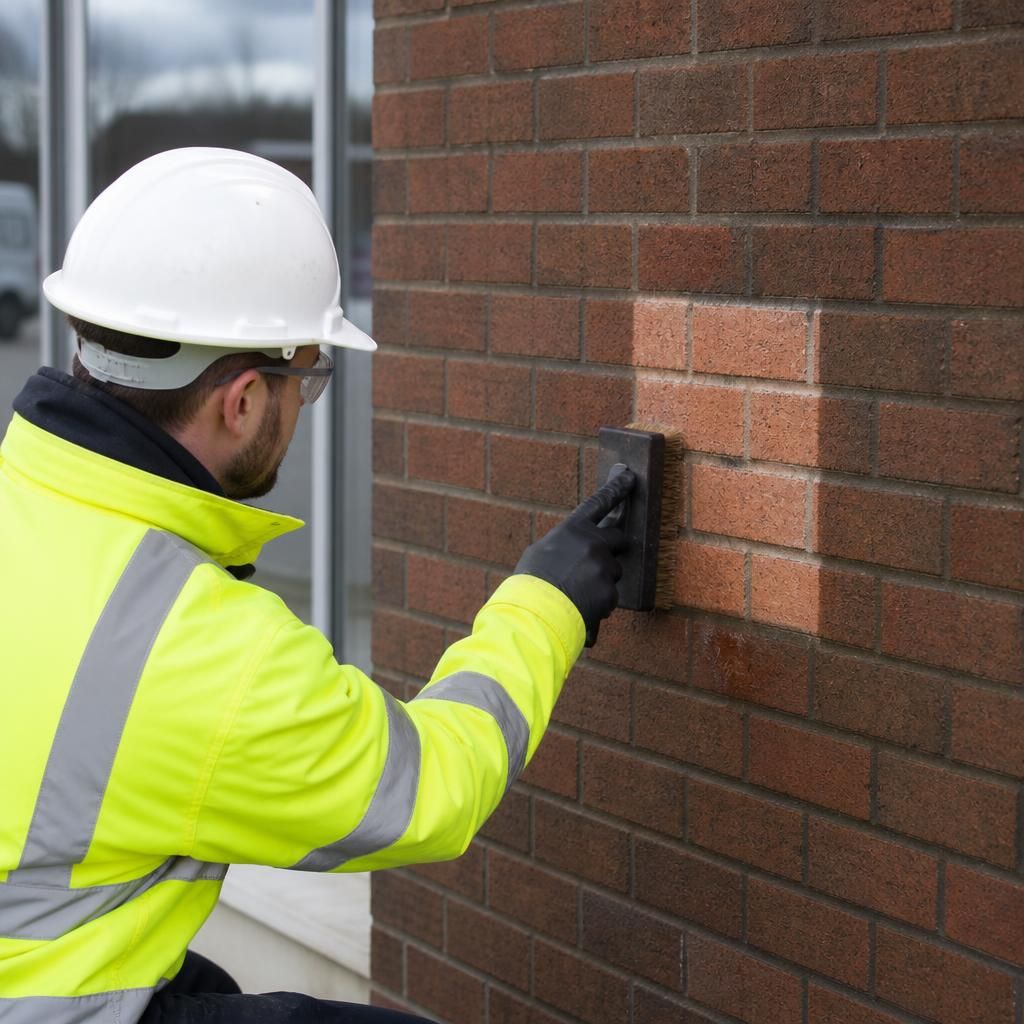
The safest cleaning method is confirmed by testing a small, inconspicuous area before work begins. A test patch shows whether the selected pressure, temperature, cleaning solution and dwell time will remove the contamination without marking the finish, loosening mortar or affecting coatings.
This is particularly important where a façade combines materials such as brick, render, glazing and metal cladding. Each surface may require a different approach, with vulnerable areas protected from pressure, chemicals and run-off. Once the test area has been checked and approved, the same controlled process can be applied to the wider surface.
Arrange a Building Material Cleaning Assessment
Arrange a building material cleaning assessment with Encanto Exterior Cleaning to identify the safest and most effective method for your surfaces. We can assess the materials, contamination and site conditions before recommending a controlled cleaning plan.
For a free quote & consultation
Contact usAccreditations