
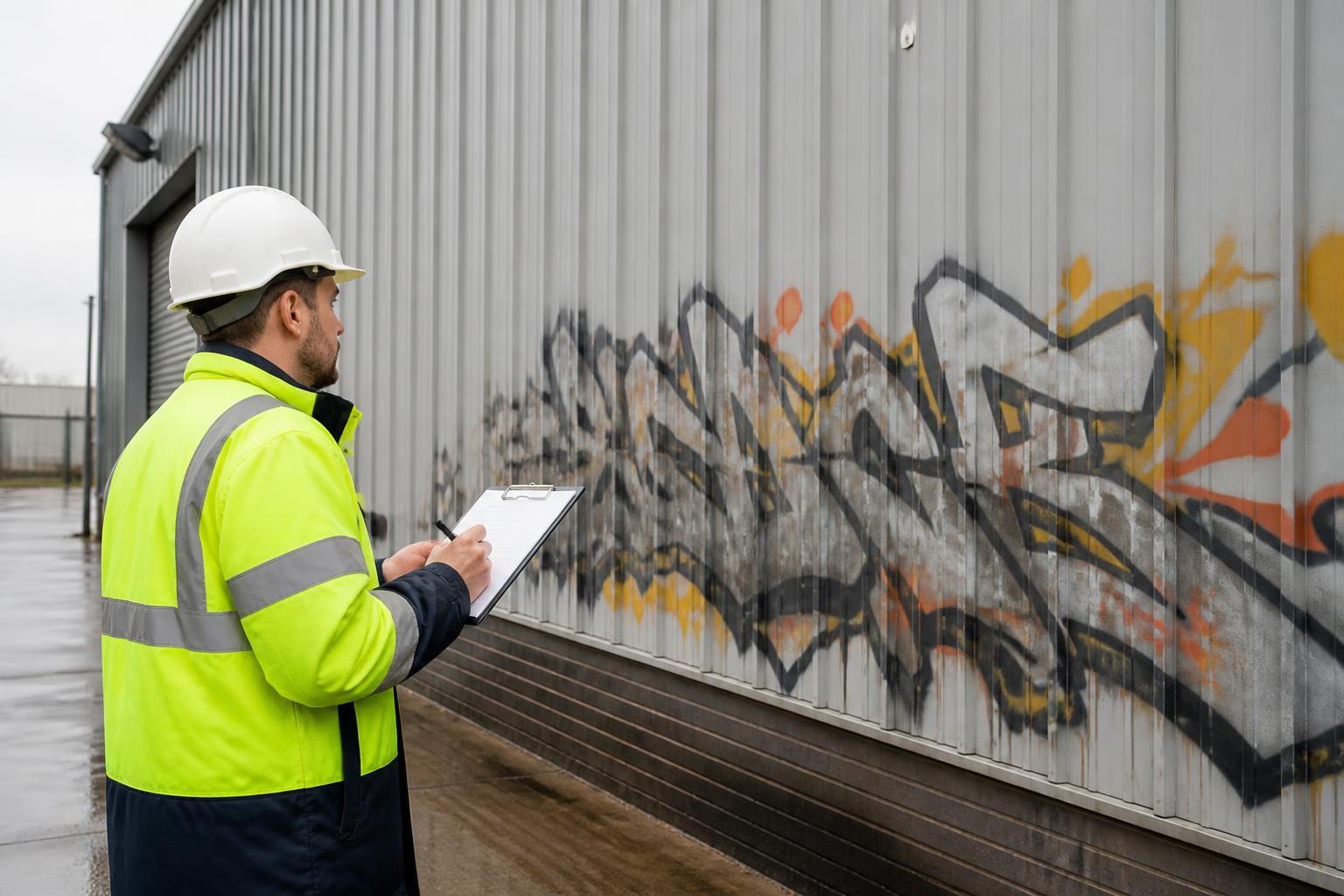
What considerations should be made when choosing materials for industrial graffiti prevention?
Choose industrial graffiti prevention materials based on the surface type, exposure to weather and chemicals, expected cleaning methods, required durability and the finish you need to preserve. The coating should provide reliable protection without damaging the substrate, creating excessive maintenance, or introducing avoidable environmental and safety concerns.
The right materials for industrial graffiti prevention should be selected by matching the protective system to the substrate, the site environment, the type of graffiti expected and the cleaning methods that will be used later. The best solution is not necessarily the hardest or most expensive coating. It must protect the surface without causing discolouration, trapping moisture, creating slip risks or making future maintenance more difficult.
Assess the substrate first
Identify exactly what is being protected before specifying a material. Brick, natural stone, concrete, render, painted metal, powder-coated cladding, glass, plastics and composite panels all respond differently to coatings and cleaning chemicals. A product suitable for dense concrete may not bond correctly to a weathered coating or a porous masonry surface.
Check whether the surface is sound, clean and dry, and whether it contains existing paint, sealants, salts, oil or previous anti-graffiti treatments. Defects such as cracks, failed pointing, flaking paint and water ingress should be addressed before application. Applying a protective layer over a weak or contaminated surface can lead to peeling, patchiness and difficult removal work later.
Consider the type of anti-graffiti system
Anti-graffiti materials are generally divided into sacrificial and permanent systems, although some products offer characteristics of both.
- Sacrificial coatings are designed to be removed along with the graffiti during cleaning. They can be useful on porous masonry and sensitive surfaces where preserving the underlying material is a priority. The coating normally needs to be reapplied after graffiti removal, so labour, access and ongoing maintenance should be included in the assessment.
- Permanent or semi-permanent coatings remain on the surface through repeated cleaning. They can be appropriate for busy industrial premises, transport-related assets, perimeter walls and other locations where recurring graffiti is likely. Their resistance to chemicals, pressure, abrasion and weathering must be confirmed rather than assumed.
- Penetrating treatments are absorbed into suitable porous materials instead of forming a prominent surface film. These may preserve the appearance and breathability of masonry, but they are not suitable for every substrate and may not provide the same finish or cleaning performance as a film-forming coating.
The choice should reflect how often the surface is likely to be cleaned, whether access equipment will be required and whether the business can accommodate reapplication after each incident.
Check compatibility and breathability
A coating must bond securely to the substrate and remain compatible with existing finishes. This is particularly important on painted façades, coated cladding and surfaces repaired at different times with different materials. Request technical information covering adhesion, recommended preparation, curing conditions and restrictions on use.
On masonry and other porous construction materials, consider vapour permeability. A coating that prevents moisture from escaping can contribute to blistering, staining, frost-related damage or deterioration of the substrate. Breathability is especially relevant where the wall is exposed to driving rain, rising damp or internal humidity. A specialist assessment may be needed where the condition of the building fabric is uncertain.
Match performance to the site environment
Industrial premises may be exposed to ultraviolet light, rain, frost, temperature changes, airborne pollution, oils, fuels, solvents and process chemicals. Coastal or heavily polluted locations can place additional demands on the protective layer. Review the expected exposure and select a material with documented resistance to the conditions present at the site.
Consider the position of the surface as well. A sheltered wall may need different protection from a south-facing façade, an exposed boundary wall or cladding beside a loading area. Areas subject to vehicle impact, scraping, pallet movement or repeated contact may require greater abrasion and mechanical resistance than surfaces that are only exposed to sprayed paint.
Specify the required finish and appearance
The protective material should preserve the intended appearance of the building. Check whether it is clear, tinted, matt, satin or gloss, and whether it can alter colour, texture or reflectivity. Some coatings can darken porous stone or create a visible sheen, particularly when applied unevenly.
Appearance is not only a visual issue. A glossy surface can make repairs or isolated reapplications more noticeable, while a textured surface may retain dirt and make cleaning less consistent. For façades, heritage materials and customer-facing premises, apply a test area in an inconspicuous location and assess it after curing.
Evaluate cleaning compatibility
Prevention materials should be selected alongside the planned graffiti removal process. Confirm whether the coating can withstand the detergents, solvents, steam, pressure washing or other techniques likely to be used. A material that resists paint but breaks down under the first cleaning treatment will not provide dependable life-cycle protection.
Cleaning compatibility also includes the substrate beneath the coating. A strong product may tolerate aggressive cleaning, but the wall, paint finish or sealant may not. The removal method should therefore be based on the complete system, not just the anti-graffiti product in isolation. Obtain clear instructions on suitable chemicals, maximum pressure, temperature limits and any equipment restrictions.
Consider durability and whole-life maintenance
Compare materials by their expected maintenance requirements rather than their initial purchase price. Review the anticipated cleaning frequency, the need for touch-ups, reapplication procedures and the ease of repairing localised damage. A permanent coating may reduce repeated reapplication, while a sacrificial system may be simpler to repair on a sensitive surface.
Include access requirements, isolation of work areas, preparation, drying time and waste handling in the assessment. On large industrial sites, the practical ability to inspect and maintain the coating can be as important as its laboratory performance. Keep records of the product used, application areas, preparation method and cleaning restrictions so that future contractors do not inadvertently damage the system.
Review health, safety and environmental requirements
Check the product’s safety data and application instructions before approval. Relevant considerations include volatile organic compounds, solvent exposure, ventilation, personal protective equipment, ignition risks, contact with nearby workers and protection of drains or watercourses. Water-based products may reduce certain risks, but they still require controlled application and responsible management of contaminated wash water.
Choose a system that supports the site’s environmental procedures and waste controls. The cleaning process should prevent removed paint, coating residue and chemical run-off from entering surface water or soil. Where the site has particular sustainability or emissions requirements, request current technical and safety documentation rather than relying on general product descriptions.
Test before full application
A trial area is an important part of specifying industrial graffiti prevention materials. Test the coating on the actual substrate, including representative repairs or existing finishes where possible. Allow it to cure in accordance with the manufacturer’s instructions, then assess adhesion, colour, texture, water behaviour and graffiti removal using the proposed method.
The trial should also confirm that the surface remains acceptable after cleaning and that there is no staining, gloss variation, residue or damage to joints and adjacent materials. Agree the test results and cleaning procedure before extending the treatment across the site.
For a reliable specification, document the substrate condition, exposure risks, required appearance, graffiti and cleaning expectations, application limitations and maintenance plan. This evidence-based approach helps ensure that the chosen material protects the industrial surface, remains practical to maintain and does not create avoidable problems during future graffiti removal.
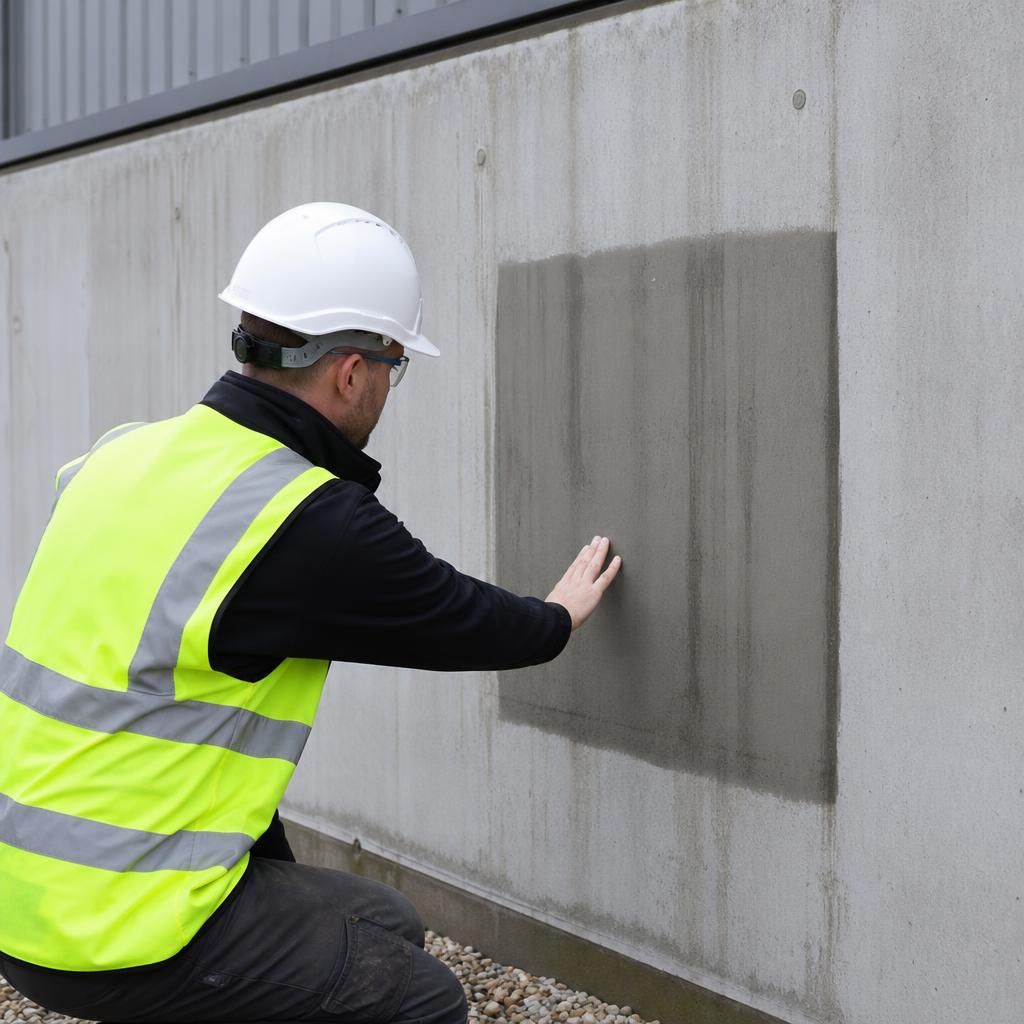
A trial area is essential before applying an industrial anti-graffiti coating across a full surface. Testing the proposed material on the actual substrate confirms that it will bond correctly, preserve the required appearance and withstand the cleaning method intended for future graffiti removal.
The test should include representative paint, repairs, joints or existing finishes where these are present. Once the coating has cured, assess colour, sheen, texture, adhesion and water behaviour, then carry out a controlled graffiti removal test. Check for staining, patchiness, residue, gloss variation or damage to the underlying surface. Approve the material and cleaning procedure only after the trial area has demonstrated that the complete protection system is suitable for the site.
Discuss the Right Industrial Graffiti Prevention Materials
Discuss your site’s substrate, exposure conditions and planned cleaning methods with our team before selecting an industrial graffiti prevention material. We can help assess the surface and identify a practical protection system for ongoing maintenance.