
What maintenance is required after graffiti and spray paint removal?
After graffiti and spray paint removal, the surface should be inspected for damage or staining, rinsed or neutralised where necessary, and allowed to dry fully before any repairs or recoating. Applying a suitable anti-graffiti protective coating, then carrying out regular inspections and prompt spot removal, helps maintain the finish and prevent future paint from bonding strongly.
After graffiti and spray paint removal, the surface should be inspected, rinsed or neutralised where required, dried fully and checked for any damage or remaining staining before repairs or recoating. Ongoing maintenance normally includes periodic inspections, prompt treatment of new marks and renewal of any protective anti-graffiti coating when its performance begins to reduce.
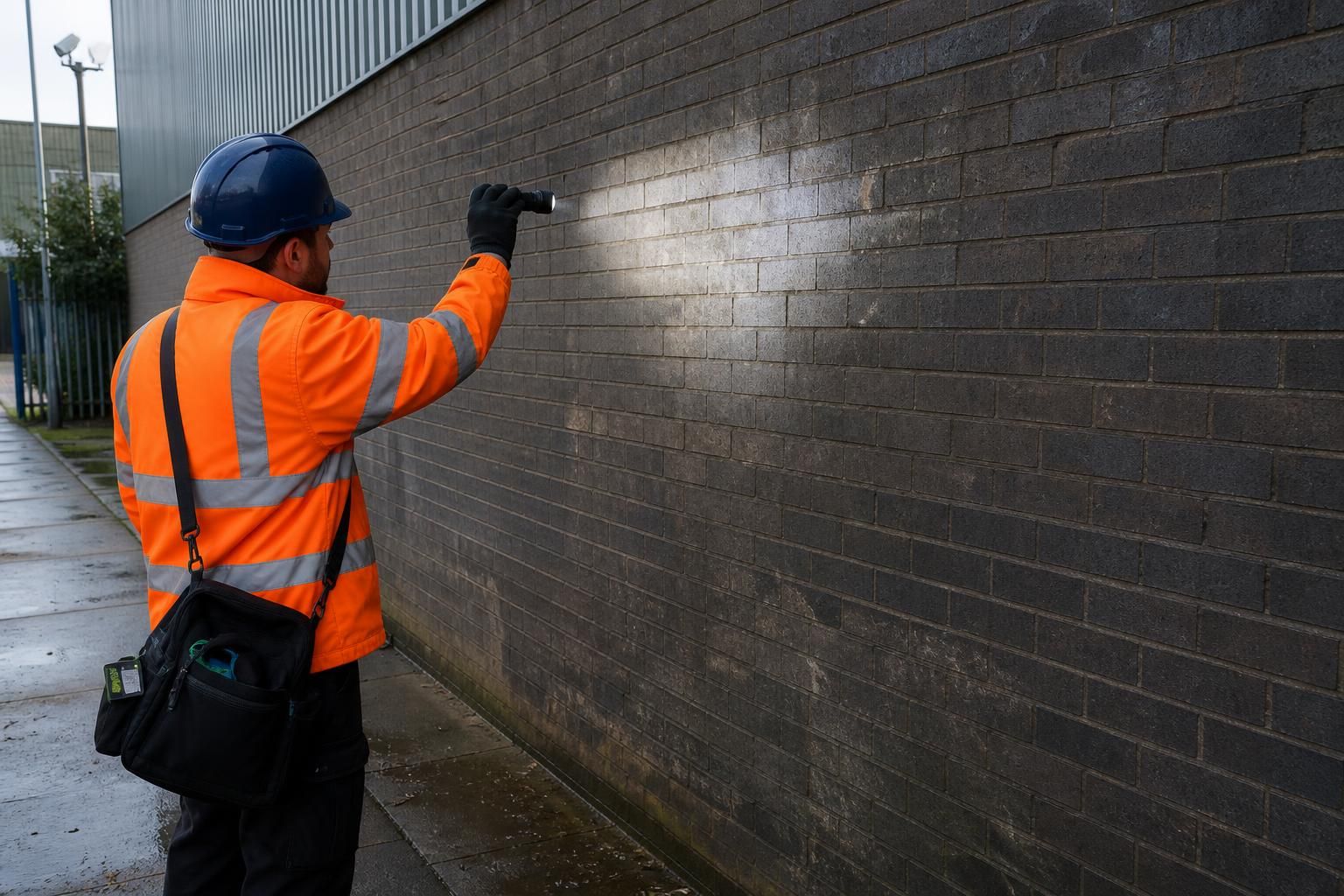
Complete a post-removal inspection. Once the cleaned area is dry, inspect it in suitable daylight and from different angles. Check for ghosting, shadowing, paint residue, etching, discolouration, water marks and differences in texture or sheen between the treated area and the surrounding surface. Porous materials such as brick, stone, concrete and render may retain staining below the surface, while painted cladding, powder-coated metal, plastic and glass can show scuffing or changes to the original finish if they have been treated too aggressively.
The inspection should also include adjacent areas, joints, seals, signage, windows, drainage channels and fixtures. Cleaning products or loosened paint can collect in these locations, and residue may cause later staining or corrosion if it is not removed. Any defects should be recorded and reported before maintenance staff carry out further work.
Rinse or neutralise the surface where necessary. The removal method determines what aftercare is appropriate. Some chemical removers require thorough rinsing, while others need neutralisation to prevent continued action on the substrate or protective coating. Steam cleaning and pressure washing may leave contaminated rinse water or loosened particles that must be controlled and disposed of correctly. The surface should be left clean, free from chemical residue and safe for the surrounding building materials.
Rinsing must be carried out with a pressure and water volume suitable for the substrate. Excessive pressure can drive contamination into porous materials, damage mortar joints or force water behind cladding and seals. On sensitive façades, low-pressure rinsing, controlled extraction or a more targeted cleaning process may be appropriate.
Allow the area to dry completely. Repairs, painting and protective coating application should not begin while the substrate is visibly damp or holding moisture within its pores. Moisture can affect adhesion, trap salts, create patchy appearance and contribute to blistering or premature coating failure. Drying time depends on the material, weather, exposure, ventilation and the amount of water used during cleaning. A contractor should confirm that the surface is suitable before applying any follow-on treatment.
Repair damage before applying protection. Graffiti removal can reveal pre-existing deterioration or expose damage caused by the paint itself, vandalism or previous cleaning. Depending on the substrate, follow-up work may include repointing, filling, replacing damaged render, repairing coatings or treating corrosion on metalwork. Repairs should be compatible with the original material and allowed to cure fully. Applying a protective coating over unstable paint, friable masonry or unrepaired cracks will not provide a durable result.
Use an anti-graffiti coating suited to the surface. Where repeat vandalism is a concern, a sacrificial or permanent anti-graffiti coating can reduce the bond between future paint and the substrate. The correct choice depends on whether the surface is porous or non-porous, painted or unpainted, vertical or horizontal, and whether it needs to retain a particular colour, texture or level of sheen.
Before coating, confirm that the product is compatible with the substrate and any existing paint or sealant. Application should follow the manufacturer’s preparation, coverage and curing requirements. A coating that is incompatible, applied to a damp surface or spread unevenly may discolour the façade, alter its appearance or make later cleaning more difficult. On heritage materials, specialist advice may be needed because an impermeable coating can interfere with the movement of moisture through the masonry.
Protective coatings are not a substitute for inspection. They can make future graffiti easier to remove, but they still need to be monitored for wear, abrasion, peeling, contamination and loss of water or paint repellence. Areas at low level, around entrances and beside public routes usually experience more contact and may require more frequent review than less accessible elevations.
Introduce routine inspections. Include treated façades, shutters, boundary walls, signs, plant enclosures, car parks and other vulnerable surfaces in the site’s planned maintenance schedule. Look for new paint, marker pen, stickers, fly-posting, scratches and attempts to cover earlier graffiti. Inspections are particularly useful after changes in site use, construction activity, public events or incidents of repeated vandalism.
Early reporting allows a fresh mark to be treated before it weathers, spreads or penetrates further into a porous material. It also helps identify recurring locations and supports decisions about lighting, access control, protective barriers, improved surveillance or a change in coating specification.
Remove new marks using the agreed method. Do not assume that the same solvent, detergent or pressure setting is suitable for every surface. Even where an anti-graffiti coating has been installed, the cleaning method should be tested or confirmed for the particular finish. Repeated aggressive cleaning can gradually dull coatings, remove paint from the substrate or damage sealants and joints.
For larger commercial sites, it is useful to keep a maintenance record showing the location of the treated area, the substrate, the removal method, products used, protective coating specification, visible defects and any recommended follow-up work. This gives future cleaning teams the information needed to avoid incompatible chemicals or unnecessary abrasion.
Review the coating and surface condition over time. Recoating should be based on the condition and performance of the existing protection rather than an automatic date. Signs that a review is needed include graffiti becoming harder to remove, changes in water beading, patchiness, flaking, visible wear or a noticeable difference in appearance between exposed and sheltered sections. Before recoating, the surface must be cleaned, assessed and prepared in accordance with the coating system requirements.
Maintenance should also account for drainage and environmental controls. Keep wash water, removed paint and chemical residues away from soil, planting, watercourses and surface-water drains unless the disposal route has been confirmed as suitable. Any access equipment, barriers and warning signs should be removed only when the area is clean, dry and safe for normal use.
A suitable aftercare plan therefore combines a final quality check, correct drying and repair, compatible protection, documented cleaning methods and prompt response to new vandalism. This preserves the appearance of the property, reduces the risk of substrate damage and helps future graffiti removal remain controlled and less disruptive.
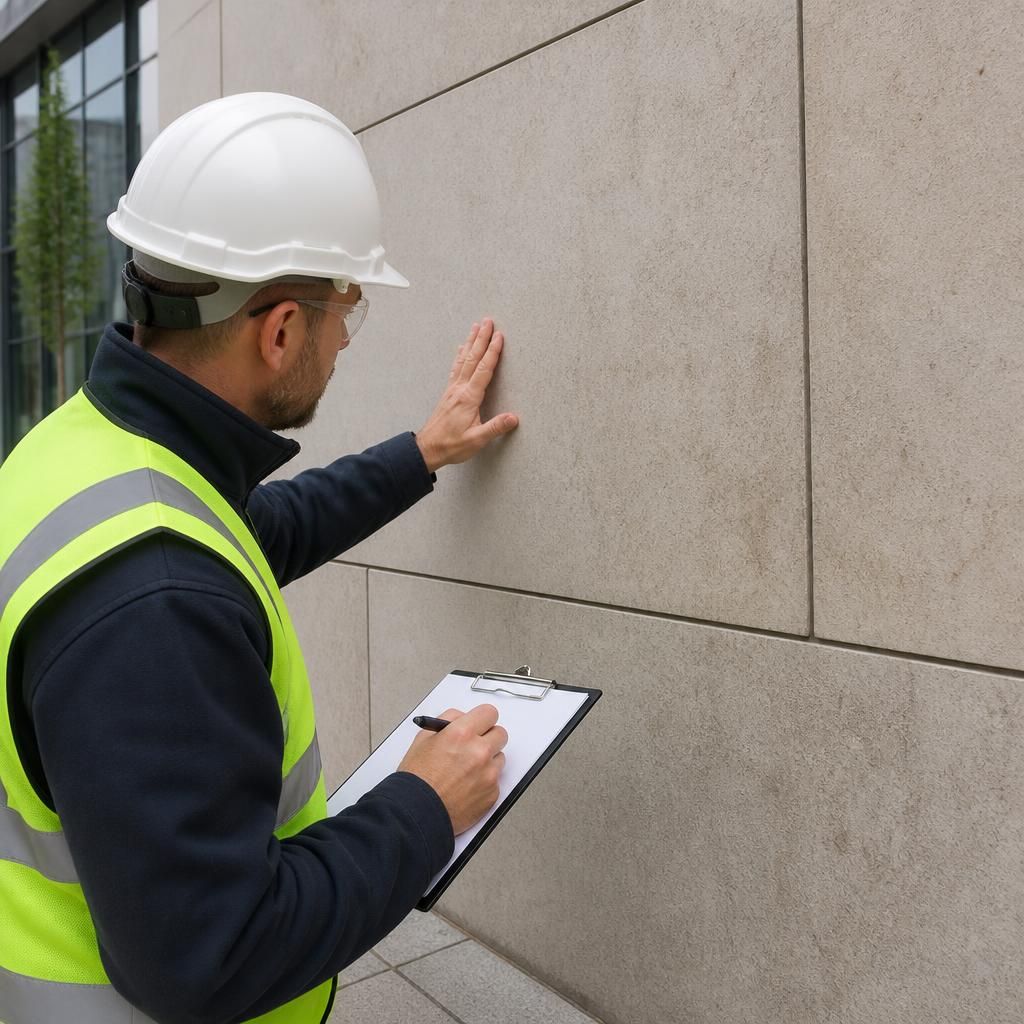
A post-removal inspection confirms that the surface is clean, dry and undamaged before any repairs or protective coating are applied. Check for paint residue, ghosting, etching, discolouration and changes in texture or sheen, particularly on porous brick, stone, concrete and render.
Inspect nearby joints, seals, drainage channels, signs and fixtures as well, as loosened paint or cleaning residues can collect in these areas. Record any defects and address them before recoating. Once the surface is ready, routine inspections and prompt treatment of new marks will help prevent further staining and reduce the need for aggressive cleaning.