
How long does the graffiti removal process take?
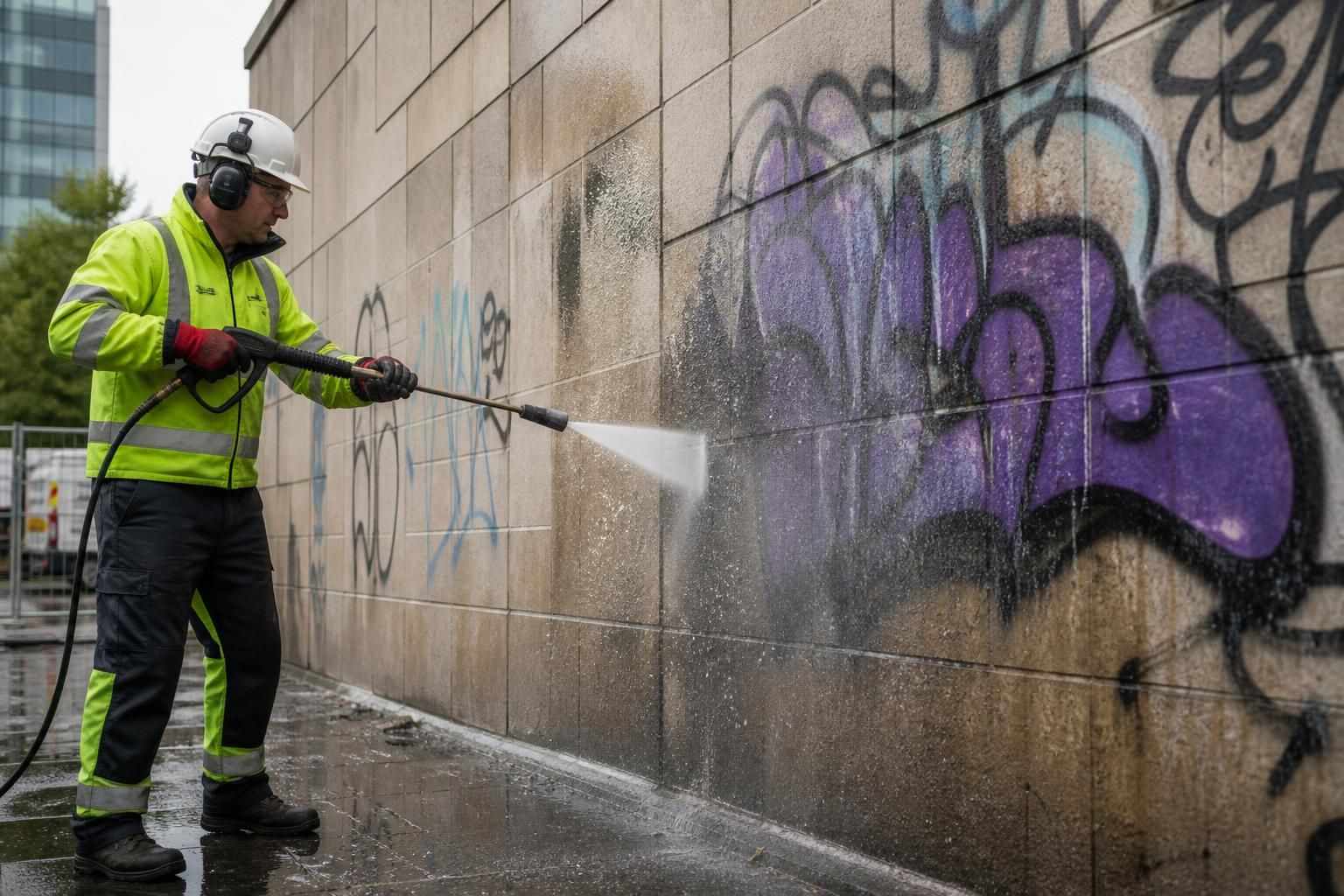
The graffiti removal process can take from a single visit for a small, accessible area to several visits for extensive graffiti, difficult access or delicate surfaces. The timescale depends on the graffiti’s size, paint type and age, the underlying material, the removal method required, site access and any follow-up treatment or repairs.
The graffiti removal process can take from a single visit for a small, accessible area to several visits for extensive graffiti, difficult access or delicate surfaces. The actual completion time depends on the size and spread of the graffiti, the paint or marker used, how long it has been present, the underlying surface, the removal method, access arrangements and whether sealing, repainting or repairs are required afterwards.
Typical timescales
- A small, isolated area on a sound, accessible surface can often be treated during one visit.
- Several items of graffiti across a building, boundary or car park may require a full working day or a phased programme, particularly where different surfaces need different treatments.
- Large façades, roofs, bridges, tunnels and multi-storey areas can take several visits because of access equipment, traffic management, containment and the need to work in planned sections.
- Graffiti on porous masonry, delicate coatings or weathered cladding may take longer because the removal process has to be controlled to avoid etching, staining or coating failure.
These are planning categories rather than fixed guarantees. A reliable completion time is normally confirmed after inspecting the affected areas and carrying out a suitable test patch.
What happens during the removal process
- Survey and method selection: The surface, graffiti and surrounding conditions are assessed. This identifies whether low-pressure cleaning, steam, a chemical poultice, abrasion or a combination of methods is appropriate.
- Preparation and protection: Nearby doors, windows, signage, landscaping, vehicles and drainage points may need protection. On commercial sites, the work may also need to be coordinated with pedestrians, tenants, deliveries or traffic.
- Test cleaning: A small inconspicuous area is treated to confirm that the selected method removes the graffiti without damaging the substrate or changing its appearance.
- Main removal: The graffiti is removed in controlled sections. Several passes may be required where paint has penetrated porous material or where multiple paint layers are present.
- Rinsing and inspection: Residues are removed, the area is checked in different light conditions and any remaining shadows or staining are assessed.
- Finishing work: Graffiti protection, repainting, substrate repairs or additional cleaning may be required. These activities can extend the programme beyond the initial removal visit.
Factors that can extend the timescale
- Surface porosity: Brick, unsealed stone, concrete and rendered surfaces can absorb paint, making removal slower than from sealed metal, glass or certain coated panels.
- Age and type of graffiti: Old, weathered paint may have bonded strongly to the substrate. Aerosol paint, marker ink, bitumen-based products and layered tags can each respond differently to cleaning.
- Surface sensitivity: Historic masonry, painted façades, powder-coated cladding and other vulnerable finishes require lower pressures, gentler products or additional preparation.
- Access: High-level work may require a mobile elevating work platform, scaffold, rope access or other specialist equipment. Set-up, relocation and dismantling can form a significant part of the programme.
- Site restrictions: Busy public areas, railway or roadside locations, occupied buildings and secure sites may only allow work during agreed access windows.
- Weather: Rain, strong wind, low temperatures and poor drying conditions can affect chemical performance, rinsing and the application of protective coatings.
- Wastewater controls: Run-off may need to be collected, filtered or disposed of in accordance with site and environmental requirements rather than discharged directly to surface-water drains.
- Follow-up repairs: Deep staining, damaged render, flaking paint or etched surfaces may need repair or redecoration after the graffiti has been removed.
Why a test patch matters
A test patch is not simply a formality. It shows how the graffiti and substrate react to the proposed treatment and helps establish whether shadowing, colour variation or coating damage is likely. It can also prevent delays caused by changing methods after the main work has started. On sensitive or high-value surfaces, allowing time for the test area to dry and be reviewed may be essential before proceeding.
How to plan the work efficiently
Provide clear photographs, the site address, approximate dimensions, information about the substrate and details of any access or working-hour restrictions before the survey. Confirm whether the area must remain open to the public, whether traffic management is needed and whether a protective coating is required. Clearing vehicles, coordinating access equipment and agreeing a suitable work window in advance can reduce avoidable delays.
Where graffiti is recurring, a planned response and maintenance arrangement can be more practical than treating each incident as an isolated emergency. Prompt removal may also reduce the time available for paint to weather into porous surfaces, although the correct method still depends on the substrate and coating.
For a commercial or industrial site, the most useful quotation should separate the expected removal period from any preparation, access, wastewater management, repairs and protective treatment. Once the graffiti, surface and site conditions have been assessed, the work can be scheduled around operational requirements with a clear indication of whether completion is expected in one visit or as a phased programme.
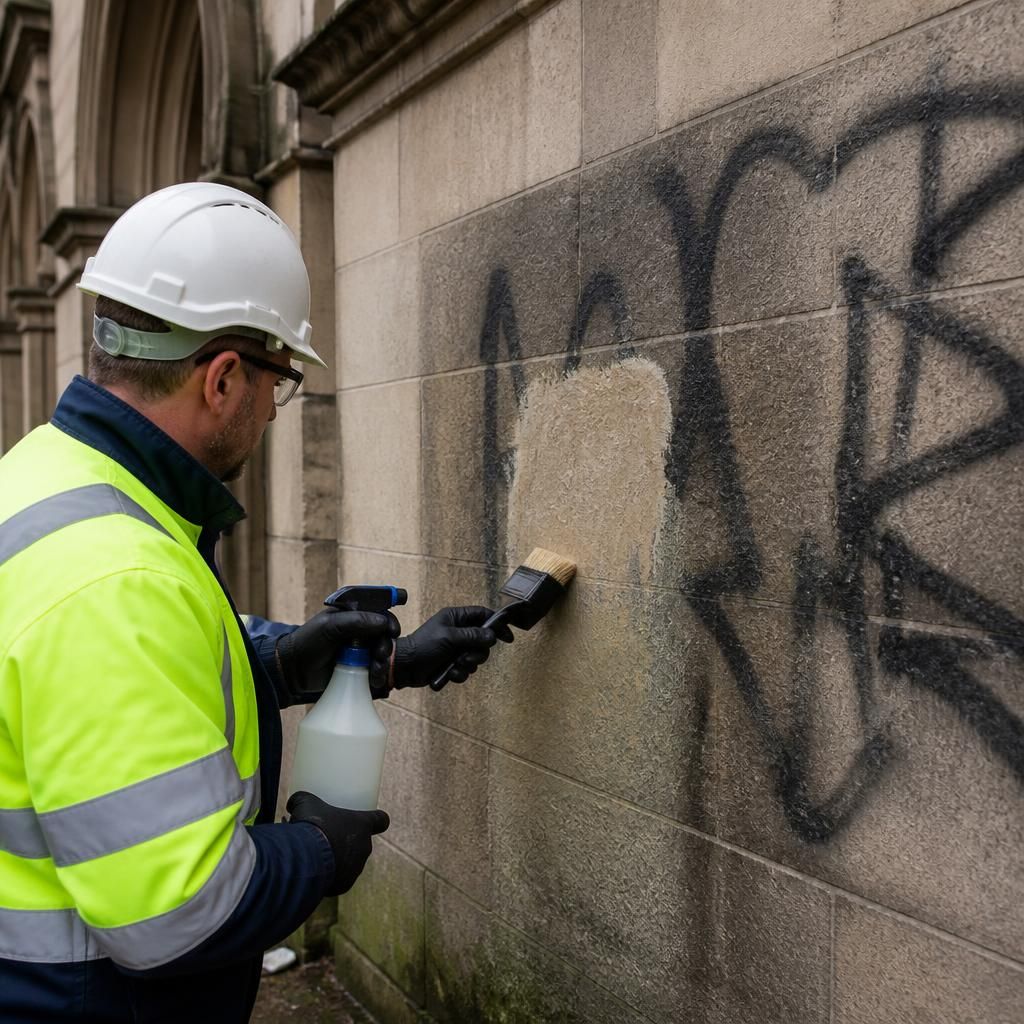
The graffiti removal process can take longer on porous, delicate or weathered surfaces because the cleaning method must be tested and controlled to prevent etching, staining or coating damage. A small test patch helps confirm how the paint and underlying material respond before the main work begins.
This assessment can affect the programme as well as the method. If several passes, controlled rinsing, specialist access or protective treatment are required, completion may extend beyond a single visit. For commercial sites, agreeing the test area, access arrangements and required finish in advance provides a more reliable timescale.