
What are the environmental benefits of post-construction cleaning?
Post-construction cleaning reduces the environmental impact of building work by removing dust, debris, chemical residues and surplus materials before they can spread into surrounding areas or enter drainage systems. Responsible methods also support waste segregation, material recovery, controlled water use and safer disposal of contaminated waste.
Post-construction cleaning reduces the environmental impact of building work by controlling dust, recovering usable materials, preventing pollutants from entering drains and watercourses, and ensuring waste is handled through suitable disposal or recycling routes. A properly planned clean also uses water, detergents, energy and access equipment in a controlled way, rather than allowing residues and debris to disperse across the site or surrounding area.
Construction leaves behind more than visible rubble. Fine dust, cement residue, plaster, paint, sealants, packaging, metal fragments, timber offcuts and cleaning chemicals can remain on floors, façades, roofs, loading areas and drainage points. If these materials are swept into gullies, washed into surface-water systems or blown onto neighbouring land, they can contribute to blocked drainage, poor air quality and water pollution. Post-construction cleaning provides a controlled point at which these materials can be identified, collected and dealt with responsibly.
Dust and particulate control
Removing construction dust helps prevent fine particles from becoming airborne during handover, occupation or later maintenance. Vacuuming, damp wiping and appropriately controlled pressure washing can capture dust and cement particles more effectively than dry sweeping. This reduces the amount of particulate matter released into the immediate environment and helps prevent settled dust from being redistributed into nearby buildings, vehicles, planting areas and public spaces.
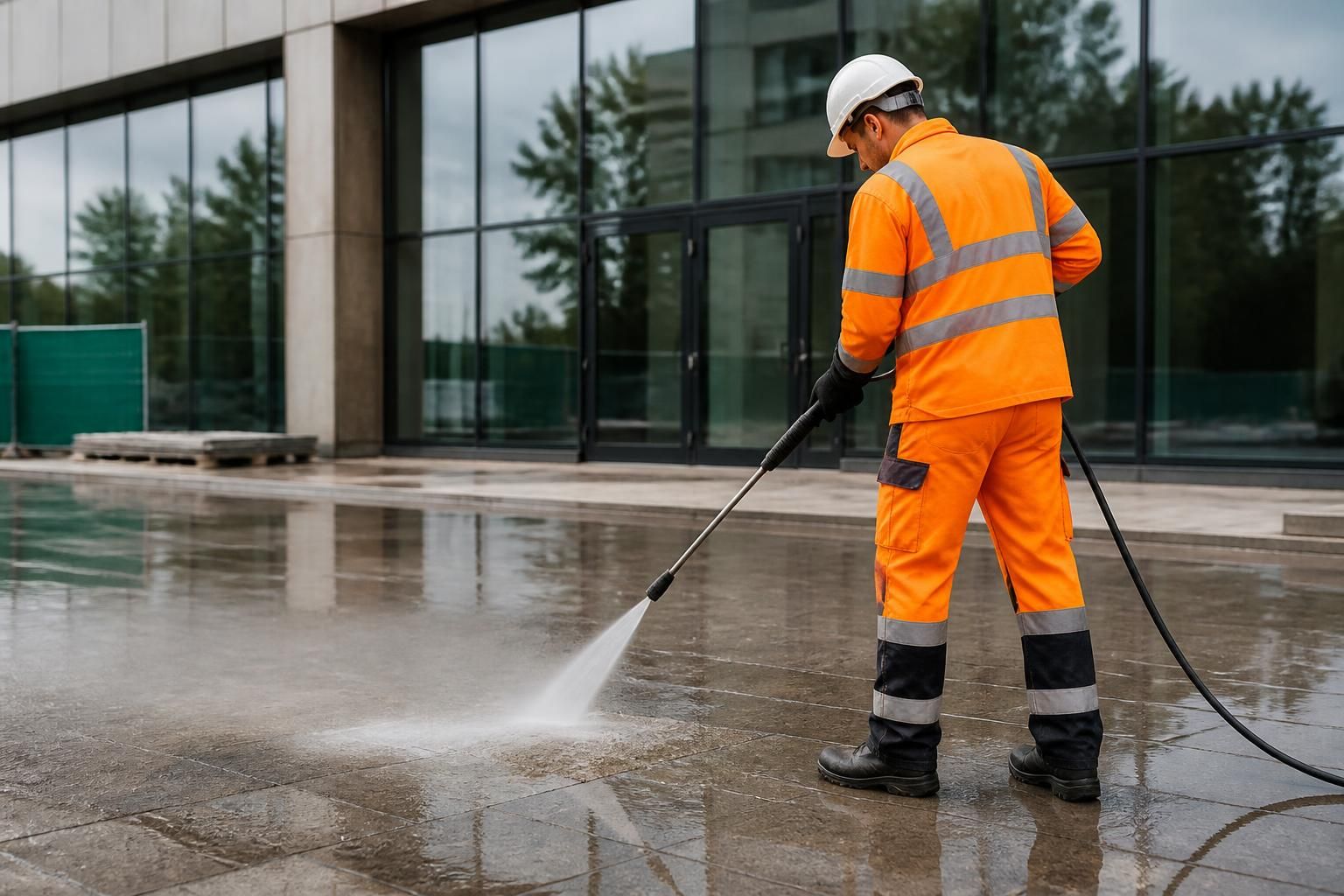
Cleaning methods should be selected according to the surface and the type of residue. For example, a suitable vacuum system may be preferable for dry internal or sheltered areas, while low-pressure or steam cleaning may be more appropriate for certain external surfaces. Using excessive pressure can damage façades, coatings and joints, creating additional repair and material waste. Experienced operatives therefore aim to remove contamination effectively without causing avoidable surface damage.
Better waste segregation and recovery
A post-construction clean makes it easier to separate waste at the point of collection. Packaging, cardboard, plastics, scrap metal, timber, inert mineral material and general waste should not automatically be mixed together. Separating these streams can improve the possibility of recycling or recovery and reduces the volume sent for disposal.
Cleaning teams may also identify materials that have been left behind but remain suitable for reuse, such as protective boards, uncontaminated packaging or usable components. Any decision to reuse or recycle must take account of contamination and the requirements of the receiving facility. Materials containing hazardous substances, uncured products or chemical residues require separate handling and must not be placed in ordinary recycling containers.
Protection of drains, soil and watercourses
Construction residues can pose a particular risk when cleaning water is allowed to run directly into surface-water drains. Cementitious material, grout, paint, oils, solvents and other contaminants can affect drainage infrastructure and water quality. Responsible post-construction cleaning includes checking the site layout, identifying drainage points and using methods that prevent contaminated water from leaving the work area uncontrolled.
Depending on the site and the substance involved, controls may include collecting dry debris before washing, protecting or isolating drains, using bunded work areas, filtering suspended solids, recovering wash water and arranging suitable disposal. Surface-water and foul-water systems are not interchangeable, so discharge arrangements should be agreed with the responsible site manager and carried out in line with local requirements. Contaminated water should never be discharged simply because it appears visually clear.
More controlled use of water
Professional cleaning can reduce unnecessary water use through correct equipment selection and preparation. Dry removal of loose debris before washing prevents water being used to move material that could have been collected directly. Low-flow systems, steam cleaning and targeted rinsing can also be suitable where they achieve the required result with less run-off than unrestricted high-volume washing.
Water efficiency does not mean using the least water in every situation. Insufficient water or poor technique can leave residues in place and lead to repeat cleaning, which may consume more resources overall. The environmental objective is to use an appropriate amount of water, control where it goes and recover or dispose of contaminated wash water correctly where necessary.
Reduced chemical impact
Many post-construction residues can be removed mechanically or with water and do not require strong chemicals. Where a detergent, degreaser, biocide or specialist treatment is necessary, the product should be selected for the material and contamination, diluted according to the manufacturer’s instructions and applied only to the area requiring treatment. Over-application increases the quantity of chemical residue and makes wastewater management more difficult.
Product safety information should be reviewed before use, particularly where cleaning takes place near planted areas, drainage channels, watercourses or occupied premises. Chemicals should be stored securely, labelled correctly and prevented from entering soil or drainage systems. Empty containers and unused products should be managed through appropriate waste routes rather than placed in general waste.
Prevention of repeat work and material damage
Effective post-construction cleaning can extend the serviceable condition of newly installed materials by removing cement dust, plaster, adhesive residues and other contaminants before they harden or stain surfaces. This may reduce the need for aggressive remedial cleaning, replacement materials or avoidable repairs. It also helps reveal defects, damage or incomplete finishing at handover, when corrective work can often be planned more efficiently.
Cleaning should still be coordinated with other construction activities. Completing work too early can result in contamination being deposited again by follow-on trades, leading to duplicate use of water, chemicals, fuel and labour. A planned sequence, with suitable protection of cleaned areas, is therefore an environmental measure as well as a practical one.
Responsible use of equipment and access methods
Equipment choice affects fuel use, noise, emissions and the risk of damage. Electric equipment may be suitable for some areas where a reliable power supply is available, while appropriately maintained pressure washers, steam systems, vacuums and access equipment can improve efficiency on larger external projects. Equipment should be matched to the scale and location of the work rather than operated at a higher output than necessary.
Well-maintained machinery is less likely to leak fuel, oil or cleaning fluid and is more likely to operate efficiently. Access planning can also reduce unnecessary movement of vehicles and repeated set-up. Where powered access equipment is required, the method statement should consider ground conditions, drainage, nearby vegetation, noise-sensitive areas and the safe containment of any fluids.
How environmental controls should be built into the service
- Inspect the site before work begins and identify dust sources, hazardous residues, drainage points, watercourses, planted areas and sensitive surfaces.
- Remove loose and recoverable materials before applying water or cleaning chemicals.
- Segregate waste into suitable streams and use authorised disposal or recycling routes.
- Select the least intensive cleaning method that will achieve the required standard without damaging the substrate.
- Prevent contaminated run-off from entering surface-water drains, soil or neighbouring land.
- Use water and chemicals in a controlled manner, following product instructions and site-specific requirements.
- Maintain equipment and check hoses, tanks, pumps and access machinery for leaks or defects.
- Record unusual or hazardous waste and raise any discharge, spill or contamination issue with the site manager.
For commercial and industrial sites, environmental performance should be considered alongside the required finish, programme and safety controls. A responsible contractor should be able to explain how debris will be segregated, how wash water will be managed, which cleaning products and equipment are proposed, and what arrangements apply to hazardous or contaminated waste. These details are more meaningful than a general claim that a service is environmentally friendly.
Post-construction cleaning does not remove the need for good construction-site controls, but it provides an important final opportunity to contain the environmental effects of the project. When dust, debris, residues, wastewater, chemicals and equipment use are managed systematically, the completed site can be handed over with less pollution risk, less avoidable waste and a lower likelihood of repeat cleaning or remedial work.
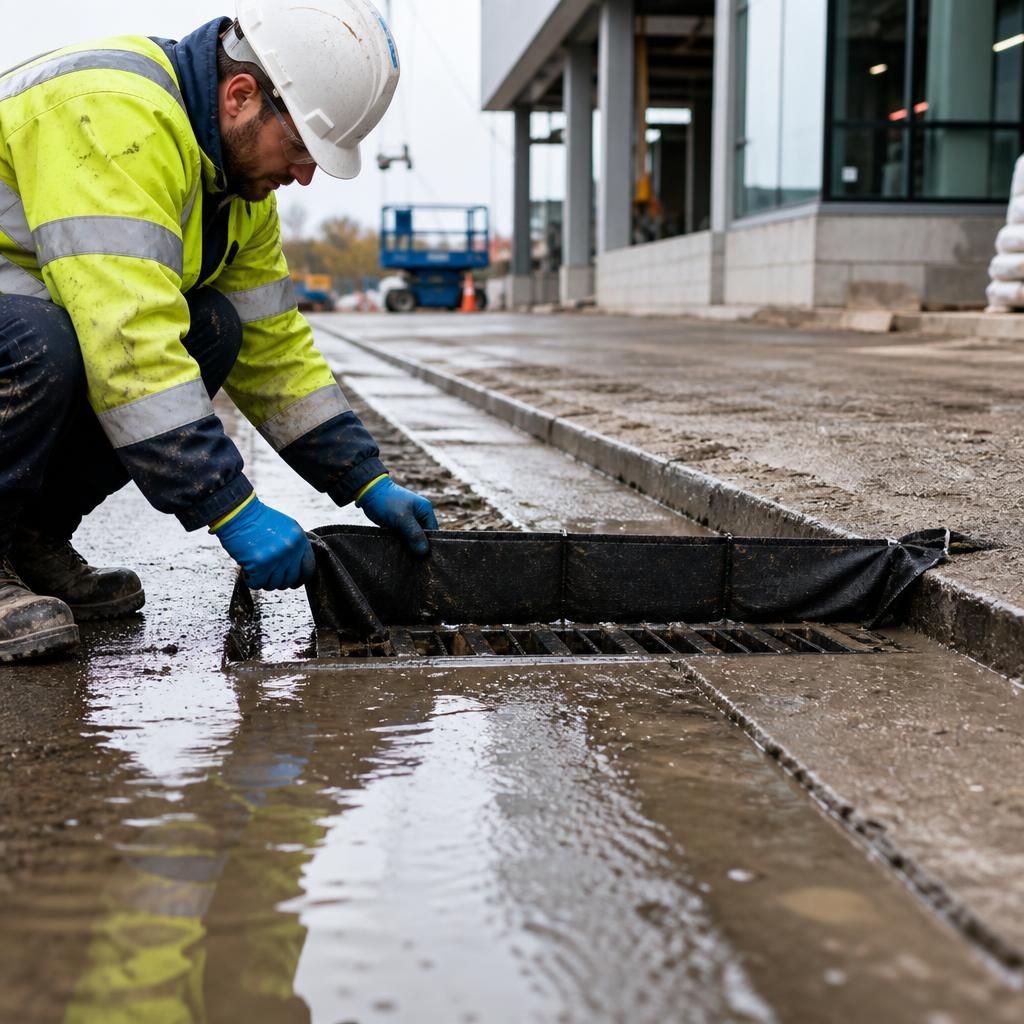
Controlling contaminated run-off is one of the most important environmental benefits of post-construction cleaning. Cement residue, grout, paint, oils and fine sediment can enter surface-water drains during washing, where they may pollute watercourses or obstruct drainage systems.
A responsible cleaning process removes loose debris before water is used, identifies nearby drains and protects them where necessary. Depending on the site, the team may use low-pressure cleaning, bunded work areas, filtration or wash-water recovery. Discharge arrangements should be agreed with the site manager, because visibly clear water may still contain harmful dissolved contaminants.
Plan an environmentally responsible post-construction clean
Plan an environmentally responsible post-construction clean with Encanto Exterior Cleaning, including controlled waste handling, water use and run-off management. Contact our team to discuss your site requirements and agree a suitable cleaning approach.