
What maintenance services are offered following the initial roof pressure washing to prolong cleanliness and roof life?
Following the initial roof pressure washing, maintenance can include scheduled inspections, gutter and drainage clearance, spot treatment for moss and algae, and targeted re-cleaning of areas exposed to rapid soiling. These measures help preserve the roof’s clean appearance, prevent blocked drainage and identify minor issues before they affect the roof covering or shorten its service life.
Following an initial roof pressure washing service, planned maintenance normally combines condition inspections, gutter and drainage clearance, targeted treatment of fresh biological growth, and selective re-cleaning. This approach preserves the roof’s appearance while addressing the causes of rapid soiling, blocked drainage and avoidable deterioration before they affect the roof covering or underlying structure.
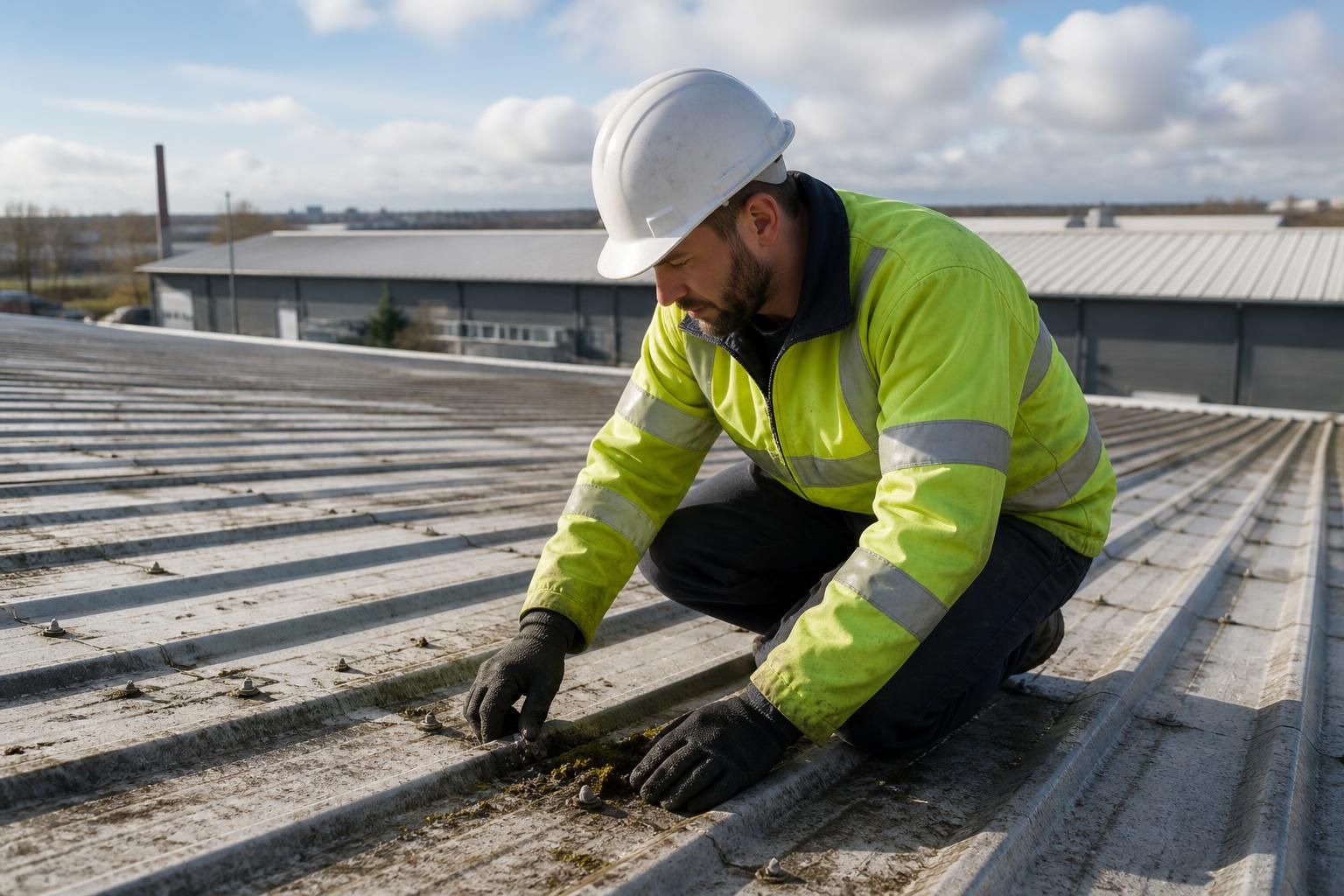
Scheduled roof inspections provide the basis for an effective maintenance plan. During an inspection, the roof covering can be checked for returning moss, algae, lichen, bird fouling, leaf deposits and areas of staining. The condition of tiles, slates, cladding, flashings, ridge materials, sealants and visible roof details should also be noted. Inspections may identify cracked or displaced tiles, open joints, damaged pointing, deteriorating coatings or defects around roof penetrations. Cleaning does not repair these issues, so reporting them promptly helps the building owner arrange suitable remedial work before water ingress or frost damage occurs.
Gutter, valley and downpipe clearance is an important part of post-cleaning maintenance. Pressure washing can remove surface deposits, but debris can continue to collect in gutters and valleys, particularly beneath trees or around buildings with heavy bird activity. Removing leaves, moss fragments and silt helps rainwater discharge correctly and reduces the risk of overflowing gutters, damp staining to façades, damage to masonry and water reaching internal areas. Downpipes and outlets can also be checked for blockages, with safe access methods selected according to the building and roof design.
Spot treatment for moss, algae and lichen can control isolated regrowth without subjecting the whole roof to unnecessary cleaning. Treatment is selected according to the roof material and the type of biological deposit present. It should be applied in a controlled manner, with care taken around roof edges, drainage systems, planted areas and neighbouring surfaces. Where growth has only begun to return, a localised treatment may be more appropriate than another full pressure wash.
Targeted re-cleaning may be arranged for sections that soil more quickly than the rest of the roof. Common examples include shaded elevations, areas below overhanging trees, roof sections near busy roads, canopies beneath nesting or roosting points, and locations affected by nearby construction work. Re-cleaning should use the least aggressive effective method for the roof material. Depending on the surface and its condition, this may involve controlled pressure washing, soft washing, steam cleaning or manual removal rather than applying the same process across the entire roof.
Roof surface protection may be considered where a suitable coating or treatment is compatible with the covering. Any such product should be specified for the material, applied only to a suitably prepared and sound surface, and used in accordance with the manufacturer’s instructions. A coating is not a substitute for repairs, drainage maintenance or proper cleaning, and it should not be presented as a permanent solution to moss or algae. Compatibility is particularly important for older, porous, painted or previously treated materials.
Maintenance records and condition reporting help commercial clients manage the roof as part of a wider planned maintenance programme. Records can include inspection observations, photographs, areas treated, drainage cleared, defects requiring attention and recommendations for the next visit. This information supports communication between facilities teams, property managers, contractors and building owners, while making it easier to distinguish normal surface re-soiling from a developing roof defect.
The appropriate visit frequency depends on the roof covering, building use, surrounding vegetation, exposure, drainage design and previous history of moss or staining. Roofs beneath trees, in shaded locations or on premises with high levels of airborne pollution may require closer monitoring than exposed roofs with good drainage. A condition-led schedule is more reliable than automatically pressure washing at fixed intervals, because repeated aggressive cleaning can be unsuitable for some materials.
Maintenance work should always include appropriate access planning and protection for the roof and surrounding property. Access equipment, edge protection and safe working procedures must be selected for the building, roof pitch and surface condition. Drainage outlets should be protected from excessive debris and cleaning residues, and runoff should be controlled in line with site requirements and environmental obligations. If an inspection finds fragile or defective materials, cleaning may need to be reduced, postponed or replaced with a lower-impact method.
For a commercial or industrial roof, the maintenance plan can therefore combine periodic inspections with responsive services after severe weather, nearby building work or the first signs of regrowth. This keeps the roof cleaner for longer, maintains effective drainage and gives the client early notice of defects, while avoiding unnecessary intervention that could shorten the life of the roof covering.
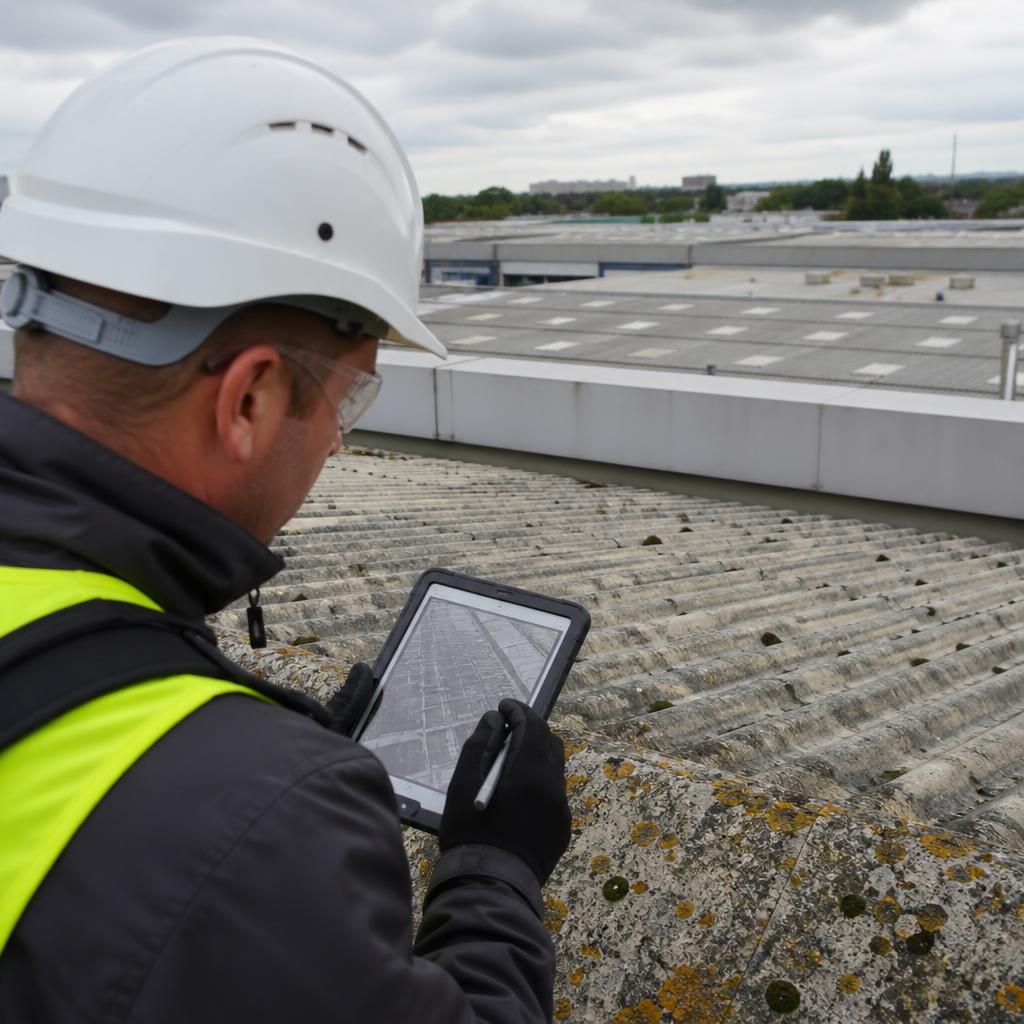
Scheduled roof inspections are a key post-cleaning maintenance service because they identify returning moss, algae, leaf deposits and early defects before they affect the roof covering or drainage. Inspection findings can highlight cracked or displaced tiles, damaged flashings, open joints and deteriorating sealants that require separate remedial attention.
Inspection records, supported by photographs and recommendations, help property managers plan gutter clearance, localised biological treatment or targeted re-cleaning only where needed. This condition-led approach maintains cleanliness without subjecting the whole roof to unnecessary repeated pressure washing.