
What are the main benefits of power washing roof tiles?
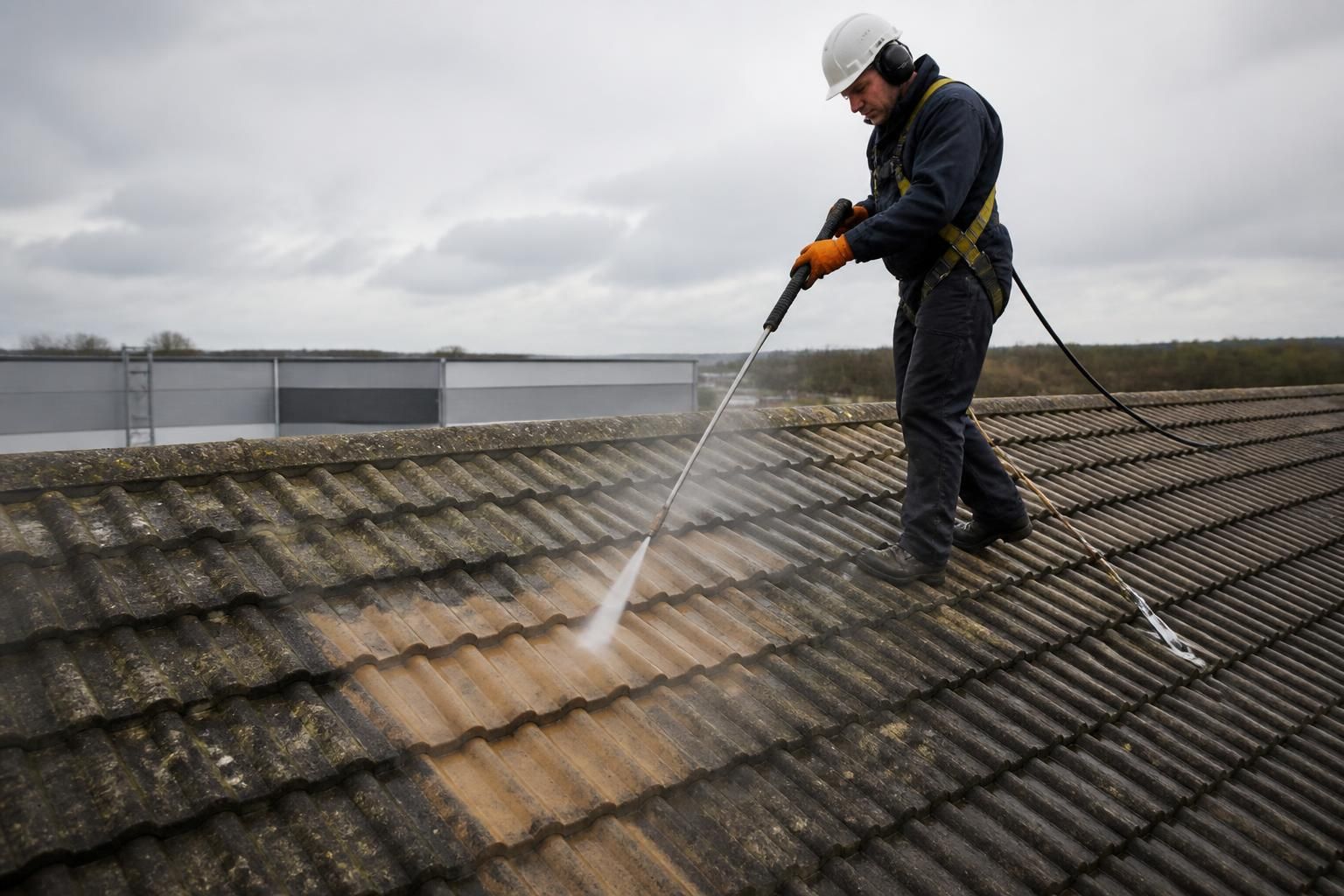
Power washing roof tiles removes ingrained dirt, algae, moss and other surface contamination, helping restore the roof’s appearance and kerb appeal. When the pressure and cleaning method are matched to the tile material and condition, it can also support routine maintenance by making defects easier to identify and helping the roof remain clean and presentable.
Power washing roof tiles can remove ingrained dirt, algae, moss, lichen and other surface contamination, restoring a cleaner appearance and making the roof easier to inspect and maintain. The main benefits are improved kerb appeal, clearer identification of defects, reduced organic growth and better control of contamination around the building. These benefits depend on using a pressure level, water flow and cleaning method suitable for the tile type and roof condition.
Improved appearance and kerb appeal
Roof tiles gradually collect atmospheric dirt, biological growth, bird deposits and run-off staining. This can leave a roof looking uneven, weathered or neglected, particularly where shaded or damp areas encourage moss and algae. Professional power washing can lift this contamination and produce a more uniform appearance across the roof.
A cleaner roof can improve the presentation of commercial premises, managed property, housing developments and buildings being prepared for sale, lease or refurbishment. Cleaning may not make old tiles look new, and permanent staining or colour variation may remain, but it can remove removable surface deposits that detract from the building’s appearance.
Removal of moss, algae and lichen
Organic growth can retain moisture against the tile surface and spread across adjoining tiles, ridges and gutters. Moss may also become dislodged during wet weather and collect in gutters, outlets and drainage channels. Removing this growth helps reduce the amount of loose contamination on the roof and around the drainage system.
Power washing is not a permanent cure if the roof remains shaded, damp or exposed to recurring contamination. Depending on the material and site conditions, a suitable biocidal or after-treatment process may be considered to help control regrowth. This should only be selected and applied in accordance with the tile manufacturer’s guidance and relevant environmental requirements.
Easier inspection and maintenance
Heavy dirt and moss can conceal cracked, slipped or broken tiles, damaged mortar, defective flashing and problems around roof penetrations. Once suitable deposits have been removed, these areas are easier to see during a follow-up inspection. This can help identify maintenance needs before water enters the roof structure or a minor defect develops into a larger repair.
Cleaning does not repair damaged tiles or guarantee that a roof is watertight. A competent contractor should check the roof before work begins and report visible defects, fragile areas or limitations that could affect the cleaning process. Where necessary, repairs should be completed separately by an appropriately qualified roofing professional.
Support for roof and drainage upkeep
Removing loose moss, dirt and other deposits can reduce the volume of material washing towards gutters and downpipes. It may also make subsequent gutter cleaning and roof inspections more effective. However, roof cleaning should form part of a wider maintenance programme rather than replace regular checks of gutters, flashings, sealants, tiles and drainage outlets.
Keeping contamination under control can also help prevent avoidable moisture retention and reduce the conditions in which organic growth continues to spread. It should not be described as extending the service life of every roof, since the result depends on the age, material, installation quality and existing condition of the tiles.
Better preparation for other building work
A clean roof provides a more suitable surface for inspection and, where appropriate, for approved follow-on treatments or repair work. This is useful during planned refurbishment, property handover, external maintenance programmes and condition surveys. Any coating, sealant or protective treatment should be specified for the particular tile material; cleaning alone does not make a roof suitable for every treatment.
Reduced risk of avoidable damage during cleaning
The benefit comes from controlled cleaning, not simply from applying the highest possible pressure. Roof tiles can be brittle, weathered or already weakened, and excessive pressure may dislodge tiles, drive water beneath overlaps or damage surface finishes and mortar. Before work starts, the cleaning method should be matched to the tiles, their age and condition, the roof pitch and the level of contamination.
For some roofs, low-pressure washing, soft washing or steam cleaning may be more appropriate than conventional high-pressure cleaning. Access equipment, protective measures and controlled run-off management are also important, particularly near windows, façades, planted areas, vehicles and pedestrian routes.
In summary, the principal benefits of power washing roof tiles are a cleaner and more presentable roof, removal of established organic growth, improved visibility of defects and better support for planned roof and drainage maintenance. The best results are achieved when the roof is assessed beforehand, the cleaning system is suitable for the tile material, and any repairs or ongoing treatment are dealt with as part of the wider maintenance plan.
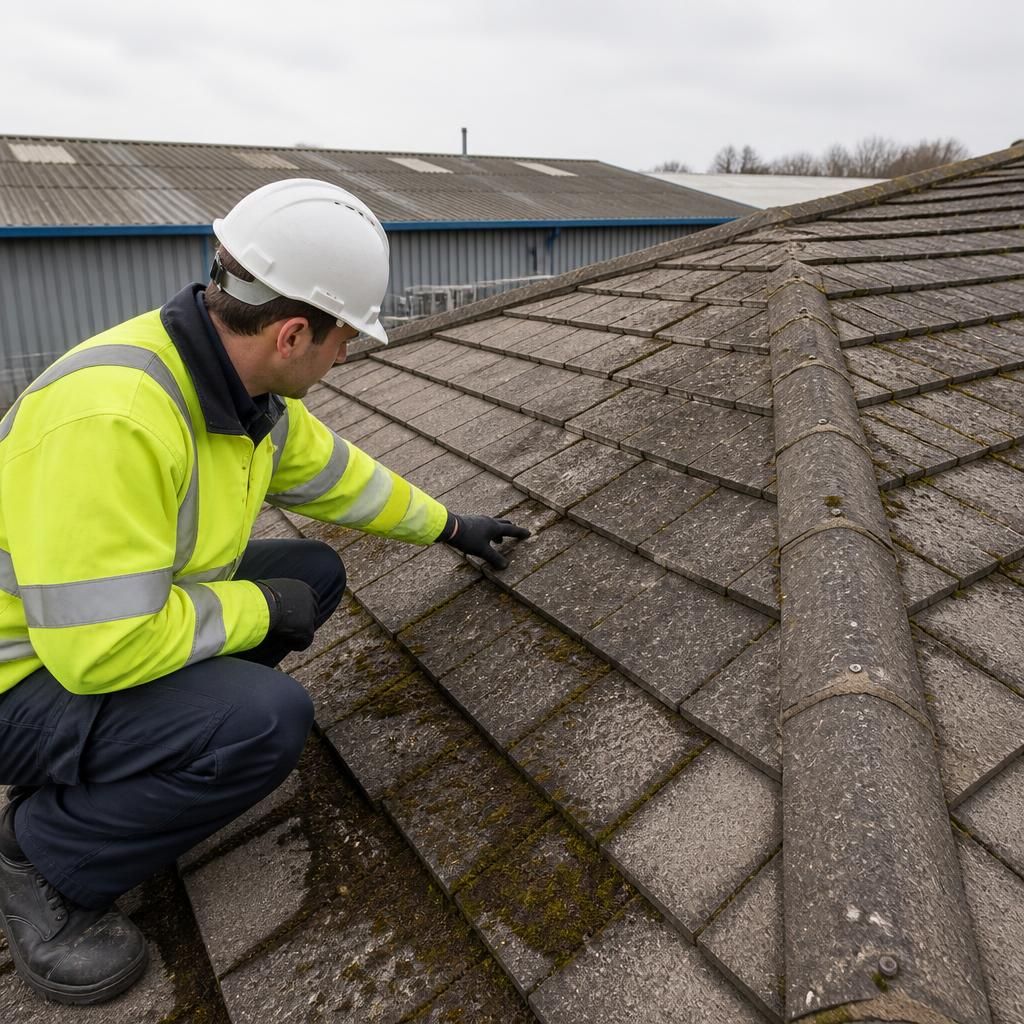
One important benefit of power washing roof tiles is that removing moss, algae, dirt and other surface deposits makes the roof easier to inspect. Cracked or slipped tiles, damaged mortar, defective flashing and issues around roof penetrations may be difficult to see when contamination is heavy.
This clearer view supports planned maintenance by helping identify defects before they develop into more serious problems. Cleaning does not repair damage or guarantee that a roof is watertight, so any faults found should be assessed and repaired separately by a suitably qualified roofing professional. The cleaning method must also be matched to the tile material and condition to avoid disturbing fragile or weathered areas.