
How can I ensure that roof tile power washing won’t damage more delicate roofing materials?
Prevent damage by having the roof assessed first, then matching the cleaning method and pressure to the tile type and condition. Use the lowest effective pressure, test an inconspicuous area, and choose soft washing or low-pressure steam cleaning where delicate, aged or fragile materials cannot safely tolerate power washing.
To prevent damage to delicate roofing materials, the roof should be assessed before cleaning and the method, pressure and equipment matched to the specific tile type and its condition. Power washing is not suitable for every roof. Where tiles are aged, brittle, loose, porous, coated or already deteriorating, soft washing, controlled steam cleaning or a gentler manual treatment may be safer than conventional high-pressure cleaning.
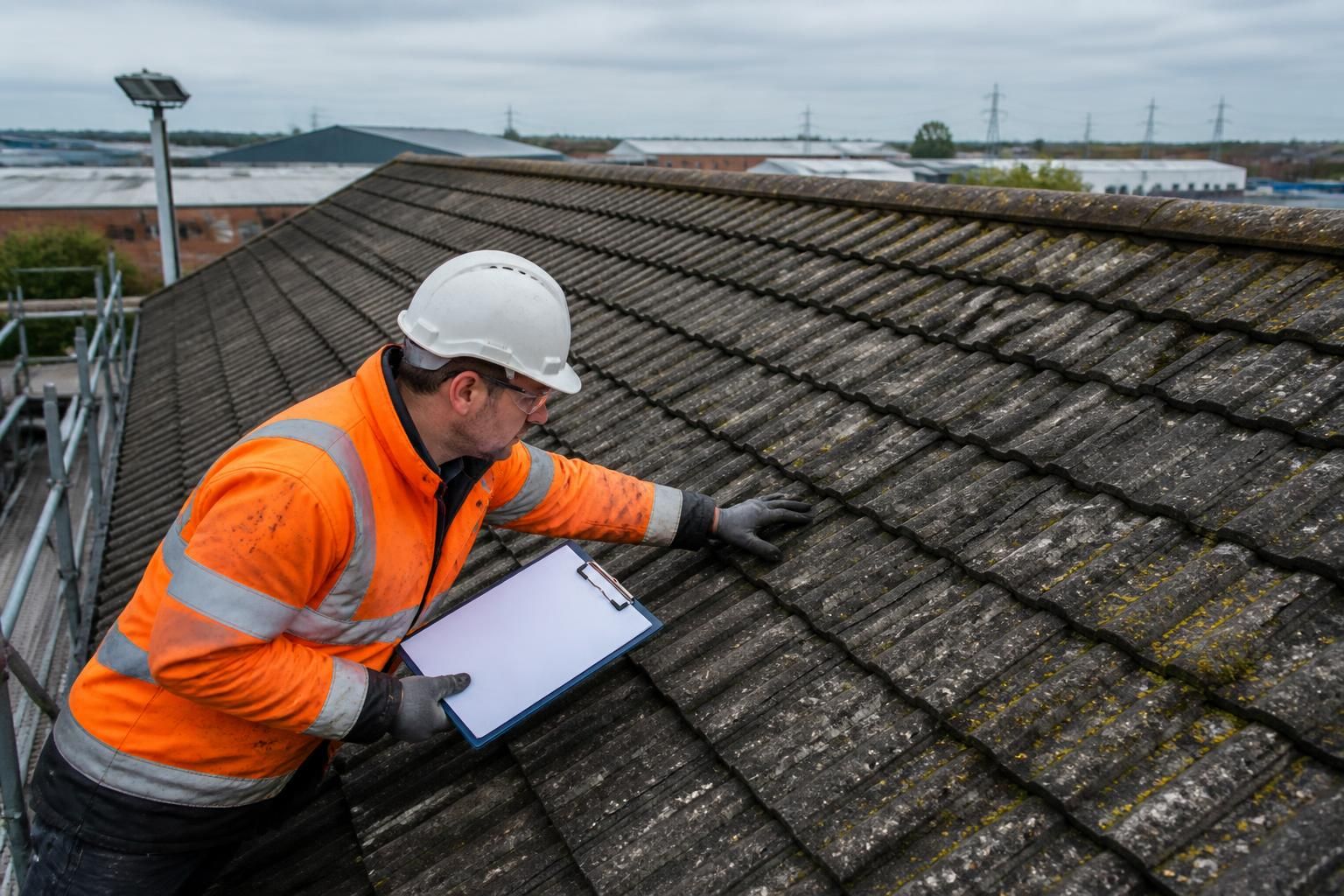
Begin with a detailed roof assessment
Before any equipment is used, inspect the tiles, ridges, verges, flashing, mortar joints and roof coverings for signs of weakness. The assessment should identify cracked or slipped tiles, surface delamination, powdering, erosion, failed coatings, open joints and areas affected by previous repairs. Gutters, valleys and rainwater outlets should also be checked, as existing blockages or defects can worsen when moss, silt and wash water are disturbed.
The material itself is important. Concrete tiles may tolerate controlled cleaning when they are sound, but older surfaces can lose their protective finish or become more porous. Clay tiles can be vulnerable to surface erosion and cracking, particularly if they are already weathered. Natural slate, coated tiles, fibre-cement products and specialist or historic roofing materials require particular care, and some should not be power washed at all. If the material or its condition cannot be confirmed, it should be treated as delicate until a suitable method has been established.
Use the lowest effective pressure
Pressure should be kept as low as possible while still removing the particular contamination. The cleaning result depends on more than pressure alone: the nozzle, spray angle, distance from the surface, water flow, dwell time and operator technique all affect the risk of damage. A narrow jet held too close to a tile can lift protective coatings, force water beneath laps, dislodge pointing or mark the surface, even when the equipment is described as suitable for roofing.
A broad, controlled spray and a consistent working distance are generally safer than a concentrated jet. The operator should work methodically, avoid directing water beneath tile edges and never use pressure to compensate for unsuitable chemicals, excessive build-up or poor access. Cleaning from a stable position is also important, because uncontrolled movement on a sloping roof can lead to uneven pressure and accidental impact.
Complete a test area first
A small, inconspicuous test patch should be cleaned before the full roof is treated. This confirms whether the selected pressure and cleaning solution remove the contamination without exposing the tile body, changing the colour, damaging a coating or disturbing the surface texture. The test area should be checked both immediately and after it has dried, since some defects and staining become more apparent once the surface is dry.
If the test reveals pitting, flaking, colour loss, exposed aggregate, disturbed pointing or water entering beneath the covering, the process should stop and be reassessed. A successful test does not remove the need for care elsewhere; the condition of tiles can vary across the same roof, especially on shaded elevations and areas exposed to prevailing weather.
Choose an alternative to conventional power washing where necessary
Soft washing uses a carefully selected treatment to loosen organic growth and staining before low-pressure rinsing. It can reduce the mechanical force applied to fragile tiles, although the solution must be compatible with the roofing material and surrounding surfaces. It should never be allowed to dry on glazing, metalwork, painted finishes or planted areas, and runoff must be controlled.
Low-pressure steam cleaning can be appropriate for some delicate surfaces because it uses heat and controlled water flow rather than aggressive impact. It still requires a material assessment and experienced operation, as heat, moisture and repeated passes may affect aged coatings, sealants or vulnerable repairs. Manual removal may be preferable on isolated areas, historic roofs or sections where tiles are too fragile for rinsing.
Protect vulnerable components and nearby areas
Cleaning should be planned so that water and loosened debris do not enter the roof space, vents, wall cavities or defective flashing. Gutters and downpipes should be protected or managed to prevent blockages, while doors, windows, cladding, solar equipment, external lighting and other building elements should be covered or shielded where required. Chemicals and dirty water must be contained in accordance with the site’s drainage arrangements and applicable environmental requirements.
Any moss or lichen should be removed with care rather than forcibly torn away. Heavy growth can be attached to weakened surfaces, and pulling it off can lift a tile or disturb bedding mortar. Debris should be collected where practical, not simply washed into drainage systems or across neighbouring property.
Use suitable access and competent operators
Roof cleaning should not depend on walking directly on fragile tiles. Suitable access equipment, edge protection and ground-based systems can reduce loading and prevent accidental breakage. Where roof access is unavoidable, operators should use recognised access methods and avoid stepping on unsupported tile edges, ridges, hips and visibly damaged areas.
A competent contractor should be able to explain why the proposed method is suitable, identify when power washing should be declined and provide a clear plan for testing, runoff control and repairs. It is sensible to record pre-existing defects with photographs and to agree how cracked or loose tiles will be handled before cleaning begins. Cleaning is not a substitute for roof repairs, and damaged coverings should be repaired or replaced by an appropriate roofing professional.
In practice, the safest approach is not to apply the same treatment across every roof. Assess the materials, test the proposed process, use the lowest effective pressure and change to a gentler method whenever the tiles or their protective finish show signs of vulnerability. This protects the roof covering while still allowing moss, dirt and staining to be removed in a controlled and effective way.
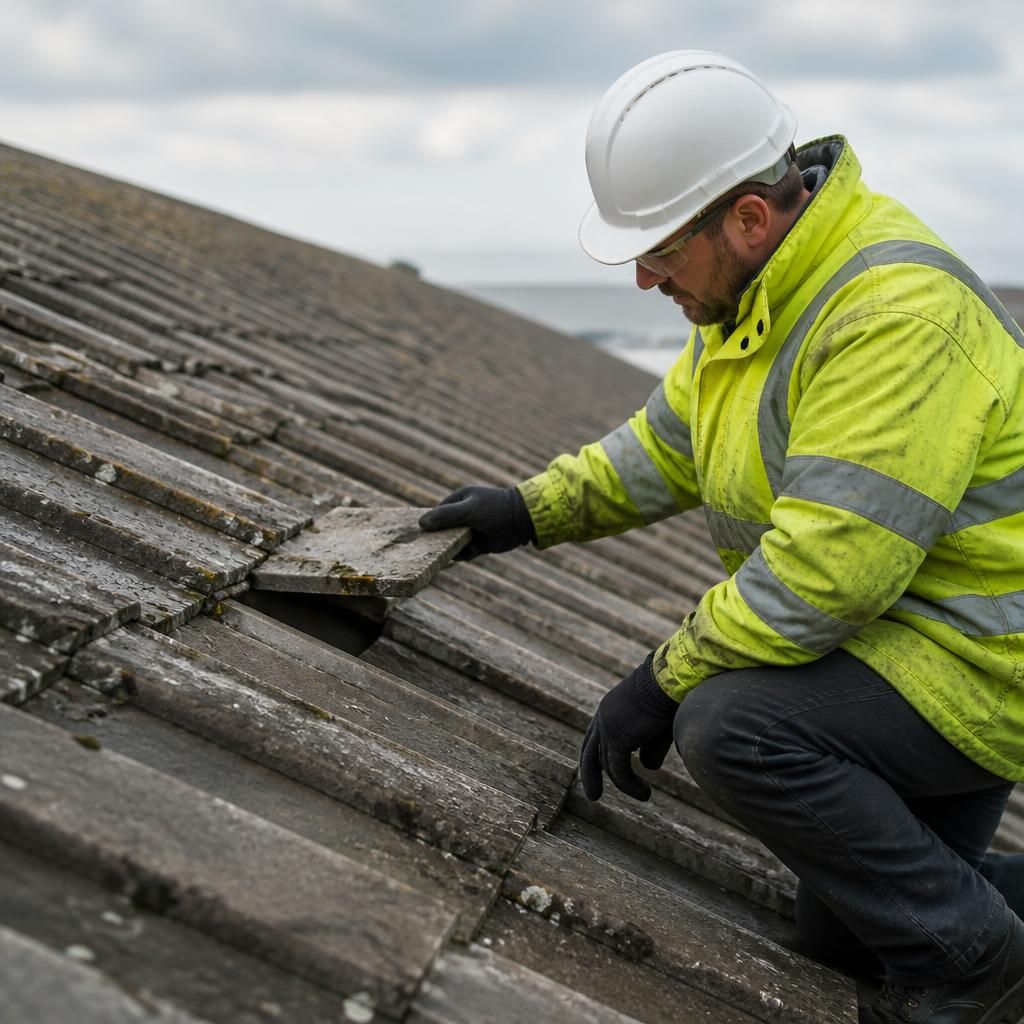
Protecting delicate roofing materials during power washing depends on matching the cleaning method to the tile’s material and condition, rather than applying the same pressure across the entire roof. A competent operator should first inspect for cracking, brittleness, eroded surfaces, loose tiles, failed coatings and weakened mortar joints.
The proposed process should then be tested on a small, inconspicuous area using the lowest effective pressure, a broad spray pattern and a controlled working distance. Check the area after it has dried for flaking, colour loss, exposed aggregate, pitting or disturbed pointing. If any of these defects appear, conventional power washing should stop and a gentler option, such as soft washing, low-pressure steam cleaning or careful manual treatment, should be considered.
Arrange a Roof Tile Assessment Before Cleaning
Arrange a roof tile assessment before cleaning so we can confirm the roofing material, identify vulnerable areas and recommend the safest effective method. This helps determine whether controlled power washing, soft washing, steam cleaning or manual treatment is appropriate.