
What maintenance and follow-up services should be expected after a roof steam cleaning?
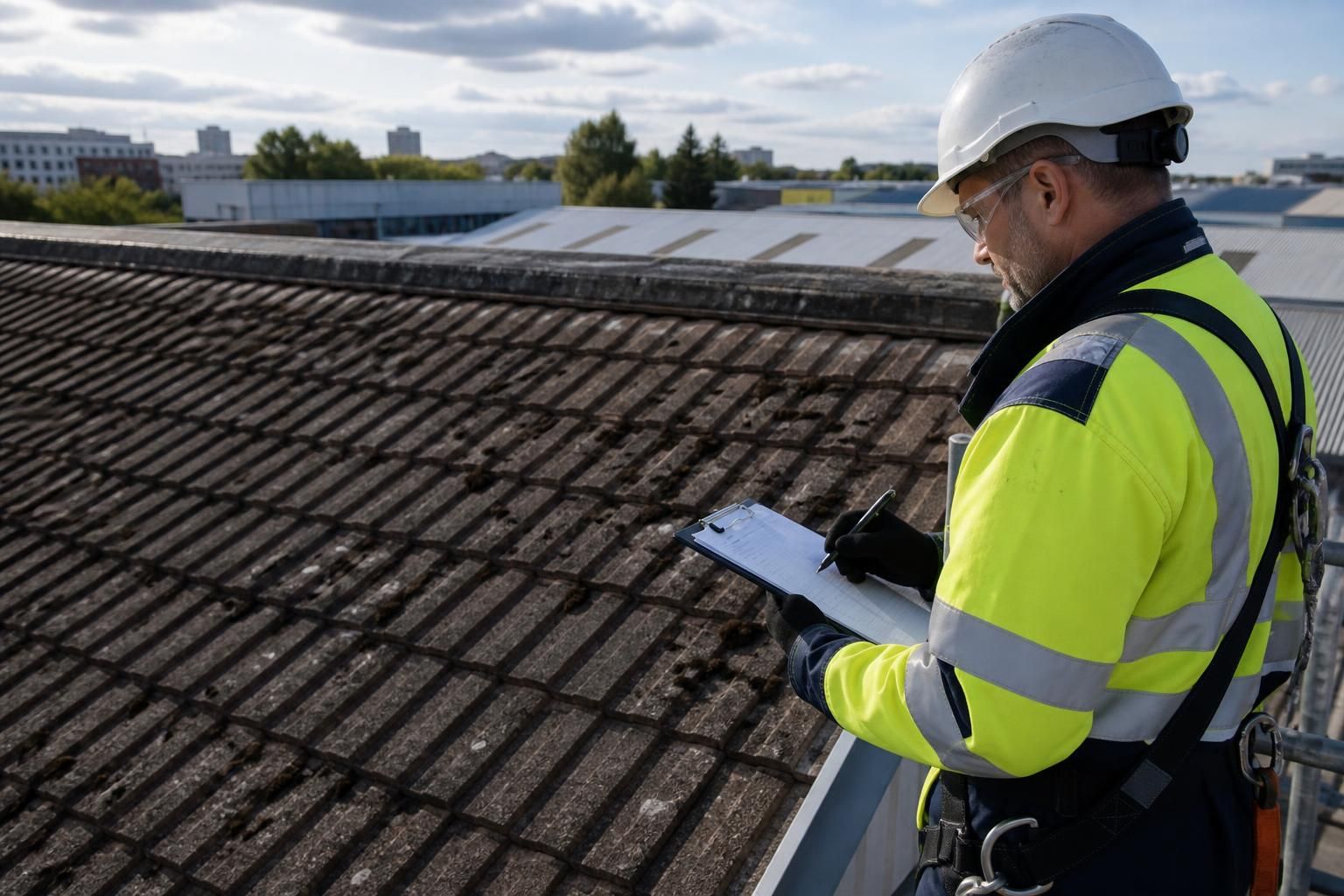
After roof steam cleaning, you should expect a post-clean inspection to identify any damaged tiles, failed seals, blocked outlets or areas needing repair. Follow-up services may include residual moss and algae treatment, gutter and drainage checks, minor remedial work, photographic reporting and a planned maintenance schedule to help keep the roof clean, safe and serviceable.
After roof steam cleaning, the expected follow-up is a documented inspection, removal or treatment of remaining organic growth, checks to roof drainage and minor remedial work where agreed. A suitable maintenance plan should then set out what needs monitoring, how often the roof should be inspected and when further cleaning or repairs may be required.
Post-cleaning inspection. Once the roof has been cleaned and the surface has had time to dry, the contractor should inspect the finished area rather than treating the cleaning process as the end of the work. This inspection checks for remaining moss, algae, lichen, staining and debris, while also identifying defects that may have been concealed by the growth. Typical observations include cracked or displaced tiles, damaged slates, failed pointing, deteriorated ridge or verge details, exposed fixings, defective flashings and areas of ponding.
Steam cleaning should not be presented as a repair service unless repairs have been specifically included in the quotation. Its purpose is to clean the roof using controlled heat and low-pressure application. If cleaning reveals a defect, the contractor should record it clearly and explain whether it requires immediate attention, planned maintenance or monitoring by the building owner or a suitable roofing specialist.
Removal of residual growth and treatment. Some moss may remain in joints, overlaps, surface texture or shaded sections after the main clean. Loose material should be removed where it can be done safely, and any residual algae or lichen may require an appropriate post-clean treatment. The correct treatment depends on the roof covering, the level of contamination and the surrounding environment. It should be applied in accordance with the product instructions and with controls in place to protect occupants, landscaping, watercourses and drainage systems.
A treatment is not a permanent barrier against regrowth. Roofs that remain damp, shaded or exposed to nearby trees can accumulate organic matter again. Follow-up advice should therefore explain what the treatment is intended to achieve, any precautions needed after application and the signs that indicate further attention is required.
Gutter, outlet and drainage checks. Cleaning debris can collect in gutters, valleys, downpipes, hopper heads and flat-roof outlets. These areas should be checked and cleared as part of the completion process where they are included in the scope. The contractor should also look for overflowing gutters, loose brackets, damaged joints and outlets obstructed by moss or silt. Clearing a roof without checking its drainage can leave a building exposed to damp, staining and water ingress during subsequent rainfall.
Drainage checks should include consideration of where wash water and removed debris have been directed. On commercial and industrial premises, this is particularly important where surface-water systems, rainwater harvesting, loading areas or sensitive equipment may be nearby. Any access limitations or drainage defects that could not be checked should be noted in the handover information.
Minor remedial work and referrals. Depending on the agreed service, follow-up may include small tasks such as removing isolated debris, securing a loose gutter component or carrying out a limited sealant repair. More substantial work, including replacing roof coverings, renewing extensive pointing, repairing flashings or addressing structural defects, should be assessed separately. Cleaning contractors should not undertake specialist roofing repairs outside their competence or without appropriate controls.
Where a repair is recommended, the report should describe the location and nature of the issue, its apparent priority and the likely consequence of leaving it untreated. Photographs taken before and after cleaning can help the responsible property manager brief a roofing contractor, arrange access and compare the condition during future inspections. A clean roof can make defects easier to identify, but cleaning does not confirm that the roof is watertight or structurally sound.
Completion records and reporting. For commercial properties, a useful handover should record the areas cleaned, the methods used, any treatment applied, access restrictions, drainage observations and defects found. Photographic records are particularly helpful on large roofs, multi-building sites and properties where the client is not present during the work. The report should distinguish between completed work, recommended work and items that could not be inspected safely.
Records should also include relevant safety and environmental information, such as controls used around pedestrians, vehicles, plant, electrical equipment and drainage. If a treatment has been applied, the product information and any stated re-entry or precautionary requirements should be made available where relevant. Keeping these records supports future maintenance planning and provides a clear history for facilities managers, landlords and building owners.
Planned maintenance after cleaning. The appropriate follow-up interval depends on the roof material, local weather, nearby vegetation, shade, drainage performance, building use and the amount of organic growth present before cleaning. A maintenance plan commonly includes visual inspections, gutter and outlet clearance, checks to roof edges and flashings, and review of areas where moss or staining first returned. Inspections should be arranged after severe weather as well as at routine intervals where the building is operationally important.
For industrial and commercial roofs, maintenance should be coordinated with existing roof inspection, health and safety and facilities-management arrangements. Access should use approved routes and equipment rather than informal walking across roof coverings. Any inspection or repeat cleaning must take account of fragile surfaces, roof lights, asbestos-containing materials, plant, skylights, fall risks and the presence of other contractors.
When further cleaning may be needed. Further steam cleaning is usually considered when organic growth or staining has returned to a level that affects appearance, drainage or the condition of roof details. It should not be scheduled solely by habit if inspections show that the roof remains clean and serviceable. Conversely, visible regrowth, blocked drainage, persistent staining or damp-related symptoms should be investigated rather than covered by repeated cleaning.
After the work, monitor for slipped or cracked coverings, water marks, overflowing gutters, damp internal areas and rapid regrowth. Report these signs promptly so they can be assessed while the cleaning records and site conditions are still available. The most useful follow-up service is not simply another clean; it is a combination of inspection, clear reporting, safe drainage maintenance, appropriate treatment and timely referral for any roofing repairs.
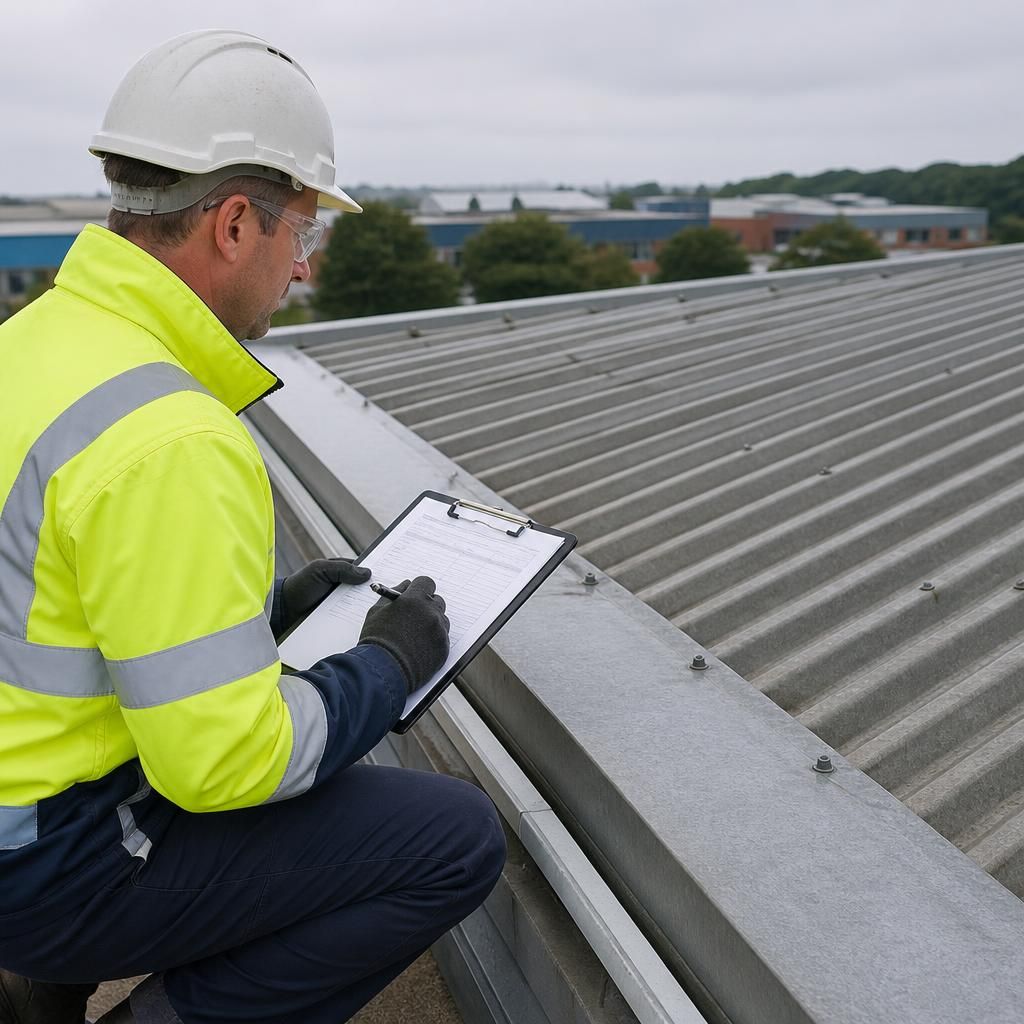
A post-clean inspection and written handover are essential follow-up services after roof steam cleaning. Once the roof has dried, the contractor should check for remaining moss, blocked drainage, cracked or displaced coverings, defective flashings and other defects that may have been hidden by organic growth.
The handover should distinguish between work completed, issues requiring repair and areas that could not be inspected safely. It should also include photographs, drainage observations, any treatment applied and recommendations for future inspections. This gives the property manager a clear maintenance record and ensures that cleaning is not mistaken for a guarantee that the roof is watertight or structurally sound.
Arrange Your Roof Steam Cleaning Follow-Up Inspection
Arrange a post-clean roof inspection with Encanto Exterior Cleaning to check for residual growth, drainage issues and defects revealed during steam cleaning. We can provide clear findings and recommendations for any further maintenance or repairs required.