
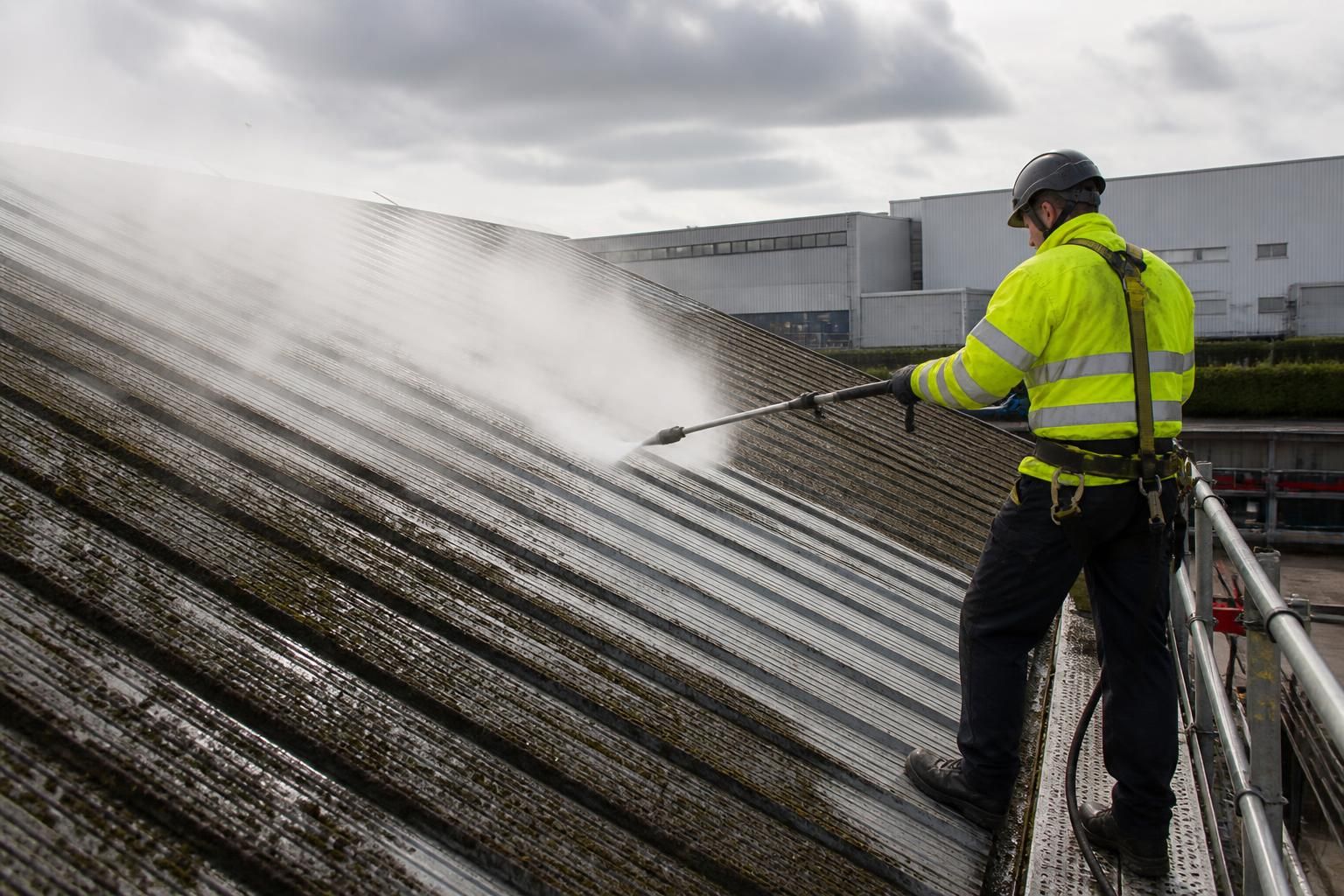
How does roof steam cleaning preserve the integrity of various roofing materials?
Roof steam cleaning preserves roofing materials by using controlled heat and low pressure to loosen dirt, moss, algae and grime without the aggressive force that can crack tiles, strip protective finishes or disturb fragile surfaces. When the method and temperature are adjusted to the roof, it can safely clean slate, concrete and clay tiles, metal roofing and other suitable materials while helping prevent moisture-related deterioration.
Roof steam cleaning preserves the integrity of roofing materials by using controlled heat and low water pressure to soften and remove moss, algae, lichen, dirt and other deposits. Unlike high-pressure cleaning, it relies less on mechanical force, reducing the risk of cracked tiles, eroded surfaces, displaced coverings, damaged coatings and water being driven beneath laps or joints. The temperature, pressure, cleaning pattern and treatment time must still be adjusted to the specific roof material and its condition.
Before cleaning, the roof should be assessed for loose, fractured or deteriorated areas. This inspection identifies vulnerable tiles, exposed fixings, failed pointing, damaged flashings, open joints and weak roof edges. Steam cleaning is not a repair method, and defective sections should be made safe or repaired before the cleaning process begins. A suitable method is then selected according to the material, the extent of contamination and the roof’s age.
- Clay tiles: Controlled steam can remove organic growth and surface grime without the force that may chip edges, strip the weathered surface or loosen overlapping tiles. Care is needed around older handmade tiles, brittle areas and mortar details, as these can be more vulnerable than the main tile surface.
- Concrete tiles: Steam cleaning can lift moss and algae from the textured surface while limiting abrasion and impact. Excessive pressure or aggressive scraping may expose the tile’s aggregate, wear protective finishes or disturb the interlocking arrangement, so cleaning should be carried out progressively rather than forcing deposits away in one pass.
- Slate: Natural slate is strong but can split, delaminate or become marked if treated harshly. Low-pressure steam helps clean the face of the slate while reducing the risk of impact damage. Particular attention is required around nail fixings, thin slates, slipped sections and fragile edges, which should not be used as footholds or subjected to concentrated water flow.
- Metal roofing: Steam can remove grime, biological growth and some surface deposits without the abrasive action that may scratch paint or protective coatings. The operator must avoid damaging seams, seals, fasteners and corrosion protection. Rusting areas, exposed metal and failing coatings may require separate remedial work rather than more intensive cleaning.
- Fibre-cement and similar sheet materials: Lower-impact cleaning can be appropriate where the sheets are sound and the surface is suitable. Older materials must be assessed carefully, particularly where there is any possibility of asbestos. Suspected asbestos-containing roofing should not be disturbed by standard cleaning equipment; it requires specialist assessment and controls in line with applicable regulations.
- Flat roofing systems: Steam cleaning may be suitable for some robust membranes and coated systems, but compatibility must be confirmed first. Heat, moisture and movement can affect membranes, seams, insulation and edge details. Ponding areas, outlets and laps need careful treatment to prevent water entering the build-up.
The principal protective benefit comes from controlling both pressure and heat. Pressure is kept low enough to avoid forcing water under tiles, into joints or behind cladding and flashing details. Heat helps loosen organic matter, allowing it to be removed with less scraping and agitation. It can also reduce the need for strong chemical products, although any biocidal or detergent treatment should be selected for compatibility with the roofing material and surrounding drainage system.
Steam cleaning also helps protect the roof indirectly. Moss and lichen can retain moisture against the covering, obstruct drainage channels and encourage roots or organic matter to work into joints. Removing these deposits reduces the load on gutters and outlets and makes defects easier to identify. It does not, however, reverse existing corrosion, replace missing protective coatings or restore tiles that have already lost their structural strength.
Protective working practices are essential. Cleaning should proceed from a stable access position, using equipment that avoids concentrated force on individual coverings. Run-off should be controlled so that loosened moss, silt and cleaning residue do not block gutters, downpipes or surface drainage. Flashings, rooflights, vents, solar installations and painted details should be protected or cleaned using a method confirmed as safe for their finish. Excessive heat should be avoided around sealants, plastic components and areas where thermal movement could affect a joint.
After cleaning, the roof should be checked for remaining organic growth, damaged coverings, displaced components, blocked drainage points and signs of failed detailing. Any recommended repairs, coating work or follow-up treatments should be based on the condition found rather than applied automatically. A compatible preventative treatment may slow the return of moss and algae, but it should never be used to conceal a defect or substitute for repairing a failing roof.
Steam cleaning is therefore a preservation-focused method, not simply a way to improve appearance. When the roof is suitable, the equipment is correctly controlled and vulnerable details are treated cautiously, it removes contamination while imposing less mechanical stress on tiles, slate, metal and other roofing materials. The final choice of method should always follow a site inspection and material-specific risk assessment, particularly for ageing, coated, fragile or previously repaired roofs.
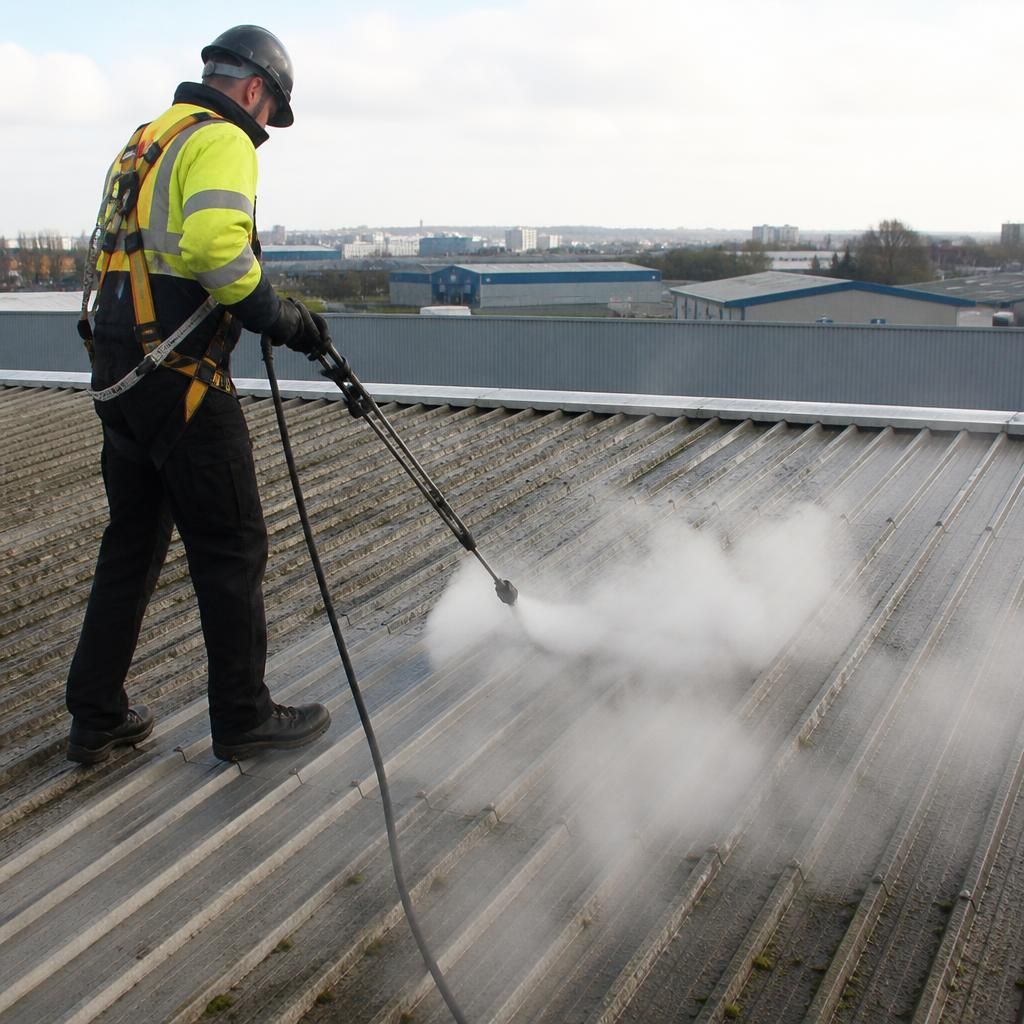
Roof steam cleaning preserves roofing materials by combining controlled heat with low water pressure, loosening moss, algae and dirt without relying on forceful impact or aggressive scraping. This helps reduce the risk of cracked tiles, marked slate, damaged coatings and water being driven beneath overlaps or joints.
The cleaning method must still be matched to the roof. Clay and concrete tiles, slate, metal sheets and flat-roof membranes each require different pressure, temperature and access controls. A pre-cleaning inspection is essential for identifying brittle coverings, failed fixings, open seams, corrosion, damaged flashings and other defects that cleaning cannot repair.
Arrange a Roof Steam Cleaning Assessment
Arrange a roof steam cleaning assessment with Encanto Exterior Cleaning to confirm whether your roofing material, condition and detailing are suitable for this method. We will identify any vulnerable areas and recommend appropriate cleaning and follow-up work.