
Can UPVC cladding be restored if it has been neglected for an extended period?
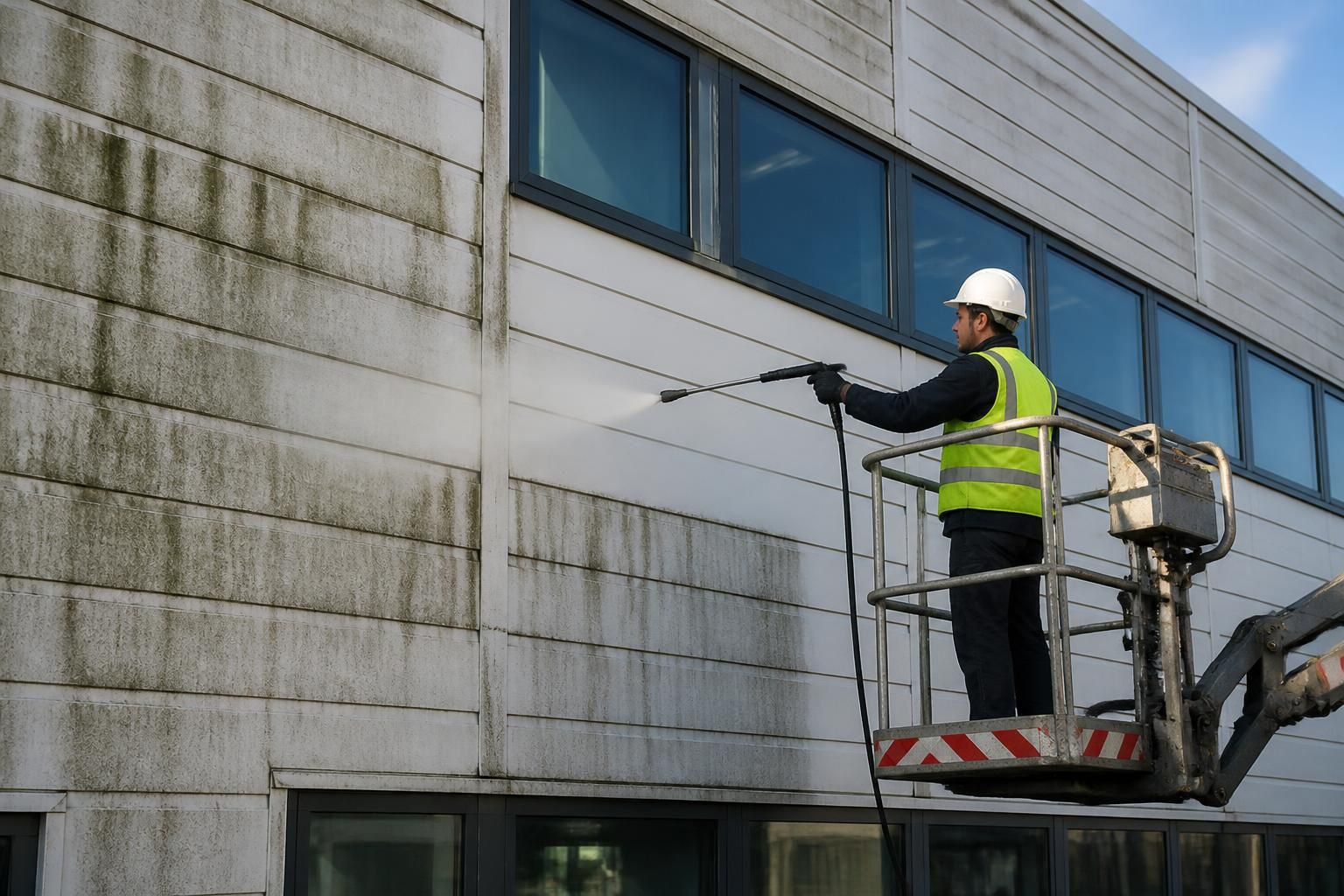
Yes, neglected UPVC cladding can often be restored through professional cleaning and treatment, provided the panels are structurally sound. Heavy staining, oxidation, biological growth and weathering may require staged cleaning, while cracked, warped or permanently discoloured panels may need repair or replacement.
Neglected UPVC cladding can often be restored if the panels remain structurally sound and the surface has not suffered permanent chemical or weather-related damage. Professional restoration may remove dirt, algae, moss, bird deposits, traffic film, staining and some oxidation, but cracked, warped, brittle or deeply discoloured panels may require repair or replacement rather than cleaning alone.
The first step is a detailed inspection of the cladding and the surrounding façade. This identifies the type and severity of soiling, checks for loose or damaged panels, and highlights areas where water could enter behind the cladding. The condition of joints, trims, fixings, seals, vents and adjacent materials should also be considered before any cleaning method is selected. Long-term neglect can conceal defects that would not be apparent from ground level.
What professional restoration can address
- Surface dirt, dust, cobwebs and general atmospheric soiling.
- Algae, moss, lichen and other biological growth, provided the underlying surface has not been permanently damaged.
- Grease, traffic film and deposits from nearby industrial or construction activity.
- Bird fouling and other organic contamination, subject to suitable hygiene controls.
- Some water marks, staining and discolouration caused by run-off or poorly maintained roof and drainage details.
- Light oxidation and weathering where the original UPVC surface is still intact.
Cleaning cannot restore material that has been lost or altered permanently. Severe ultraviolet degradation, chalking, deep staining, heat damage, corrosion from adjacent metals, failed coatings and embedded contamination may leave visible discolouration after treatment. UPVC that has become brittle may crack under pressure or during handling, so cleaning should not be used as a substitute for a cladding condition survey.
The restoration process
A suitable method is selected after testing a small, inconspicuous area. This confirms whether the surface responds safely to the proposed detergent, steam or pressure and helps establish the appropriate dwell time and agitation. A professional clean will commonly involve:
- Removing loose debris and protecting windows, doors, vents, landscaping and vulnerable adjacent finishes.
- Applying a UPVC-compatible cleaning solution to soften accumulated soiling and biological growth.
- Using controlled agitation or low-pressure rinsing to lift contamination without forcing water behind the panels.
- Using steam cleaning where heat and low water volume are appropriate for the type of deposit and the condition of the cladding.
- Treating remaining organic growth or isolated staining with a suitable specialist product rather than repeatedly increasing pressure.
- Rinsing thoroughly and checking the finished surface from different angles and in changing light.
- Recording defects or areas that remain permanently marked and recommending repair, replacement or further investigation where necessary.
Pressure should be carefully controlled. Excessive pressure, an unsuitable nozzle, prolonged heat or aggressive chemicals can mark the surface, drive water into joints, damage seals and trims, or remove the finish from coated elements. Strong solvents, abrasive powders and untested acidic or alkaline products should not be used simply because the cladding is heavily soiled. Chemical selection must also account for run-off and nearby materials such as glazing, powder-coated metal, render and sealants.
Heavily neglected façades may need a staged treatment rather than a single intensive clean. An initial visit can remove loose contamination and reduce biological growth, while a later treatment addresses staining that becomes visible once the surface has dried. This approach is generally safer than applying excessive pressure or harsh chemicals in an attempt to achieve an immediate result.
When replacement may be more appropriate
Cleaning is unlikely to provide a satisfactory restoration where panels are cracked, split, warped, extensively faded, delaminated or no longer securely fixed. Replacement may also be advisable when the cladding has lost its protective finish or when defects behind the panels are contributing to dampness. If only isolated sections are damaged, individual panel or trim replacement may be possible, although matching older colours and profiles can be difficult.
Where the cladding is sound but its appearance remains uneven after cleaning, the options should be explained clearly. Further specialist treatment, repainting with a compatible system or phased panel replacement may each have different implications for appearance, durability and future maintenance. Any coating or remedial system should be confirmed as suitable for UPVC and applied only after the surface has been properly prepared.
How to achieve a reliable result
Before work begins, agree which areas are to be treated, how difficult staining will be assessed and which defects fall outside the scope of cleaning. Photographs and test-panel results provide a useful baseline, particularly on large commercial façades where colour and soiling can vary by elevation. Following completion, the cladding should be inspected for missed deposits, residue, streaking, damage and any changes to adjacent surfaces.
Restoration is more effective when the causes of the neglect are addressed as well. Blocked gutters, leaking joints, defective downpipes, overhanging vegetation, persistent condensation and nearby sources of dust or pollution can quickly reintroduce staining. Correcting these issues and implementing a planned cleaning schedule helps preserve the restored appearance and reduces the need for aggressive future treatment.
In practical terms, an extended period without cleaning does not automatically mean that UPVC cladding must be replaced. The deciding factors are the condition of the panels, the nature of the contamination and whether the surface has suffered irreversible degradation. A professional inspection and controlled test clean can establish what can be safely restored, what requires additional treatment and what should be repaired or replaced.
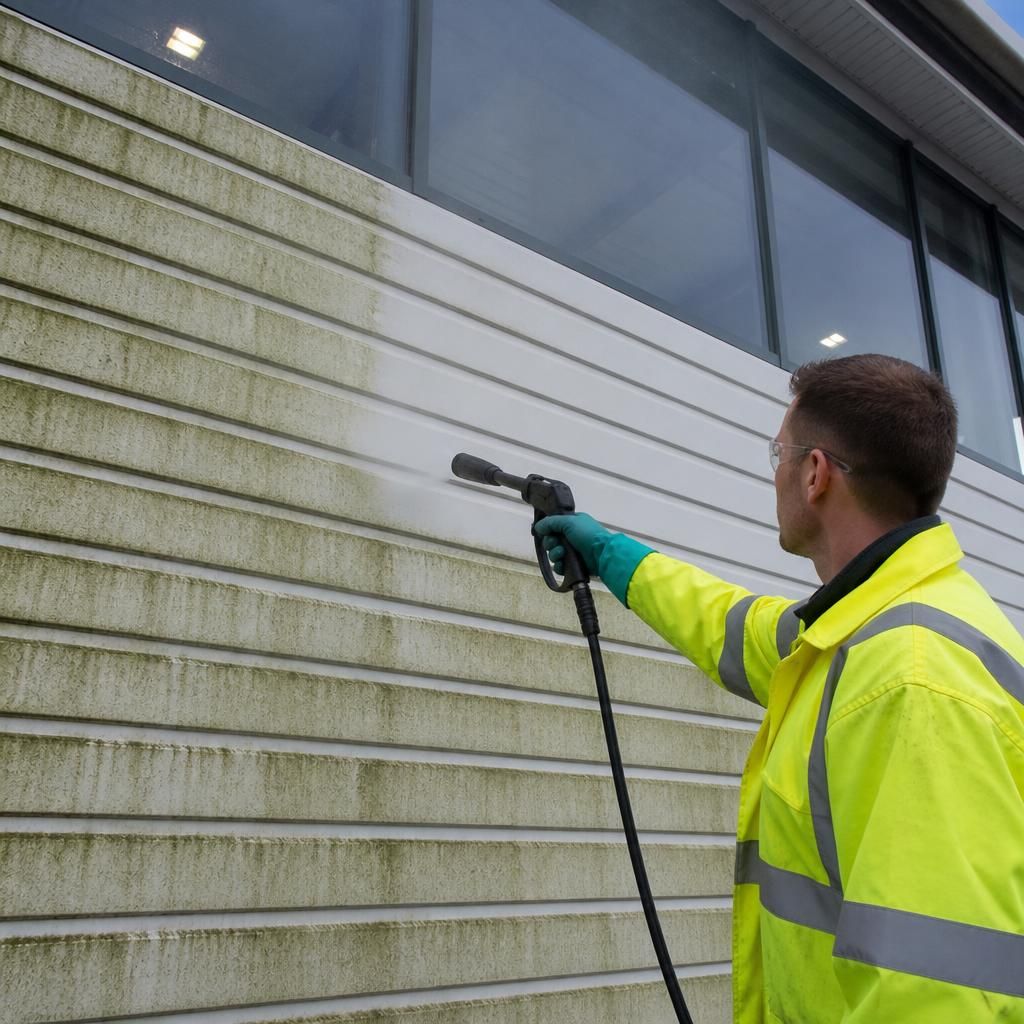
Neglected UPVC cladding should be assessed with a small test clean before full restoration begins. This shows whether staining, algae, traffic film and light oxidation can be removed safely, while also revealing permanent fading, brittleness or surface damage that cleaning cannot correct.
A controlled test helps determine the safest combination of compatible cleaning solution, gentle agitation, steam or low-pressure rinsing. It also reduces the risk of damaging seals, trims and joints on older panels, allowing any sections requiring repair or replacement to be identified before wider work proceeds.