What factors determine the cost of industrial water jet cleaning services?
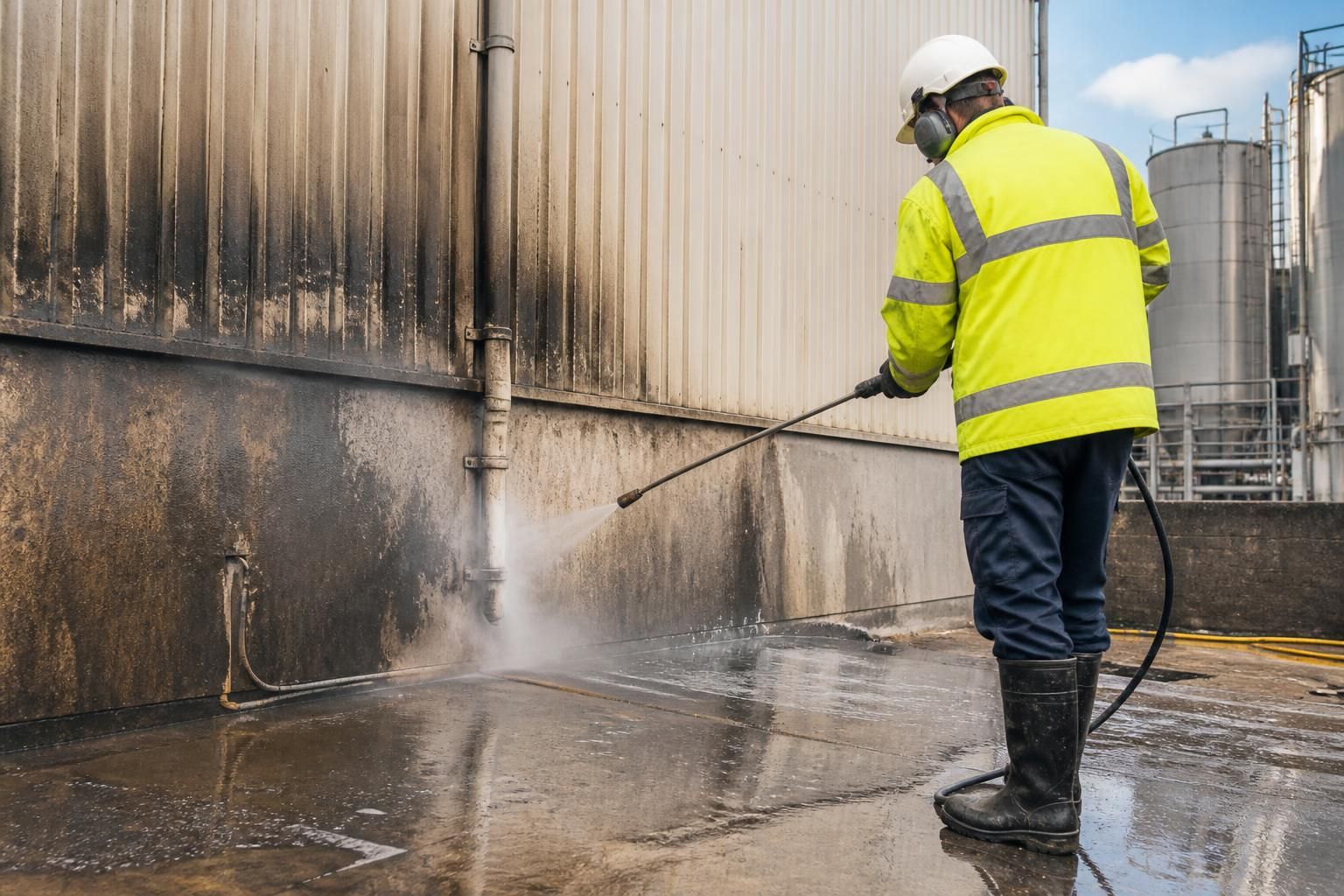
The cost of industrial water jet cleaning services is determined by factors including the surface area and condition, the type and severity of contamination, required water pressure, access constraints, project location, and waste-water handling requirements. Equipment, labour, preparation, safety measures and any ongoing maintenance schedule may also affect the final quotation.
The cost of industrial water jet cleaning services is mainly determined by the amount of work required, the condition of the surface and the resources needed to complete the project safely. Surface area, contamination type, water pressure, access, preparation, wastewater management, site location and any compliance requirements are assessed together before a quotation is prepared. A large, accessible surface with light contamination may cost less to clean than a smaller area containing hardened deposits in a restricted or hazardous location.
Surface area and layout
The size of the area affects cleaning time, water consumption, labour and equipment use. The layout is also important. Open floors, tanks or accessible walls can usually be treated more efficiently than complex structures with multiple levels, recesses, pipework, supports or narrow sections. Where only selected areas require cleaning, the quotation will reflect the need to position equipment and protect surrounding surfaces for each separate section.
Type and severity of contamination
Different contaminants require different cleaning methods and levels of preparation. Loose dirt, dust and general grime may be removed relatively quickly, while oil, grease, paint, cement residue, scale, carbon deposits and other bonded materials can require slower, more controlled treatment. The age, thickness and hardness of the contamination affect the time needed and may determine whether more than one cleaning pass is necessary.
Contamination can also affect wastewater handling. Oil, chemicals, paint residues and other substances may need to be contained, filtered, tested or disposed of through an approved route rather than allowed to enter surface-water drainage. These requirements can add to the project cost but are an essential part of responsible industrial cleaning.
Required water pressure, flow and cleaning technique
Water jet cleaning equipment is selected according to the substrate and the material being removed. Higher pressure is not automatically the most economical or suitable option. Excessive pressure can damage coatings, joints, masonry, concrete or cladding, so an experienced contractor will balance pressure, water flow, nozzle selection, distance and operator control.
Some projects require specialist jetting equipment, rotary surface cleaners, vacuum recovery systems or other attachments. The cost reflects the equipment needed, its transport, setup and operation. Where there is a risk of damaging the substrate, test cleaning may be recommended before the main work begins. This provides useful information about the cleaning rate and the appropriate operating method.
Condition of the surface
Existing damage, failed coatings, corrosion, cracks, open joints or fragile finishes can make cleaning more technically demanding. The surface may need to be assessed before work starts, particularly where water could enter the structure or affect electrical, mechanical or finished areas. Protecting vulnerable components and working within the limits of the substrate can increase labour time compared with cleaning a sound, robust surface.
Access and working height
Access is often one of the most significant cost factors on industrial sites. Ground-level work with clear equipment access is generally simpler than cleaning façades, roofs, silos, plant, gantries or elevated structures. The quotation may need to include access equipment, temporary platforms, edge protection, exclusion zones, traffic management or additional personnel.
Restricted access, congested plant areas and locations with limited vehicle entry can also increase setup and handling time. Where water jetting is carried out near operational equipment, the team may need carefully planned isolation, screening or controlled work areas to prevent water and debris affecting nearby activities.
Preparation and protection
Before jetting begins, the site may require a survey, risk assessment, method statement, isolation of services, removal of loose materials or protection of doors, vents, electrical equipment and drainage points. Staff, vehicles and stored materials may need to be moved or covered. The more preparation and reinstatement the site requires, the more this will influence the final price.
Wastewater recovery and disposal
Water jet cleaning can produce a mixture of water, loosened dirt and industrial contaminants. The project cost may include bunding, drain protection, wet vacuum recovery, filtration, storage, sampling and licensed disposal. The correct approach depends on the contaminant, the site drainage system and the relevant environmental requirements. Allowing wastewater to run into an unsuitable drain may be unlawful and can create additional cleanup or compliance costs, so this should be discussed at the quotation stage.
Site location and logistics
Travel distance, parking, site induction requirements, delivery restrictions, water availability and electrical supply can all affect the quotation. If the site has no suitable water source, the contractor may need to bring a tank or arrange a temporary supply. Similarly, a remote site or one with strict delivery slots may require additional transport planning and waiting time.
Health, safety and compliance requirements
Industrial water jetting involves high-energy water and can create spray, noise, airborne contaminants and slippery surfaces. The price may therefore include specialist personal protective equipment, operator training, exclusion zones, signage, monitoring and supervision. Sites with hazardous substances, confined spaces, work at height or live industrial operations may require additional controls, permits and coordination with the principal contractor or site manager.
These measures are not optional extras to be removed without understanding the risk. A responsible quotation should make clear which safety controls are included and identify any site-specific requirements that could affect the scope of work.
Timing and programme
Cleaning carried out during normal site hours may be more straightforward than work requiring evenings, weekends, shutdown periods or phased access. A short operational window can require additional labour or equipment so that the work is completed within the agreed period. Weather may also affect external work, particularly where access equipment, electrical systems or wastewater containment are involved.
One-off cleaning or planned maintenance
A one-off intensive clean may involve heavier contamination and more preparation than routine maintenance. Regular cleaning can help prevent deposits becoming firmly bonded and may make future visits more predictable. However, a maintenance schedule should be based on the site’s actual contamination, operational conditions and compliance needs rather than an arbitrary frequency.
What an industrial water jet cleaning quotation should include
- The areas and surfaces to be cleaned, including any exclusions.
- The type of contamination and the proposed cleaning method.
- Equipment, pressure and access arrangements where relevant.
- Preparation, protection, setup and reinstatement requirements.
- Labour, supervision and any out-of-hours working.
- Water supply, wastewater recovery and disposal arrangements.
- Health and safety controls, permits and site documentation.
- Any testing, remedial cleaning or additional work that would be charged separately.
For a more accurate assessment, provide details of the site location, surface type, approximate area, contamination, access restrictions, operating hours and wastewater arrangements. Photographs, drawings, previous cleaning records and information about hazardous materials can also help define the scope. A site survey may be necessary where the condition, access or environmental risks cannot be assessed remotely. This approach produces a clearer quotation and reduces the likelihood of unexpected costs once work has started.
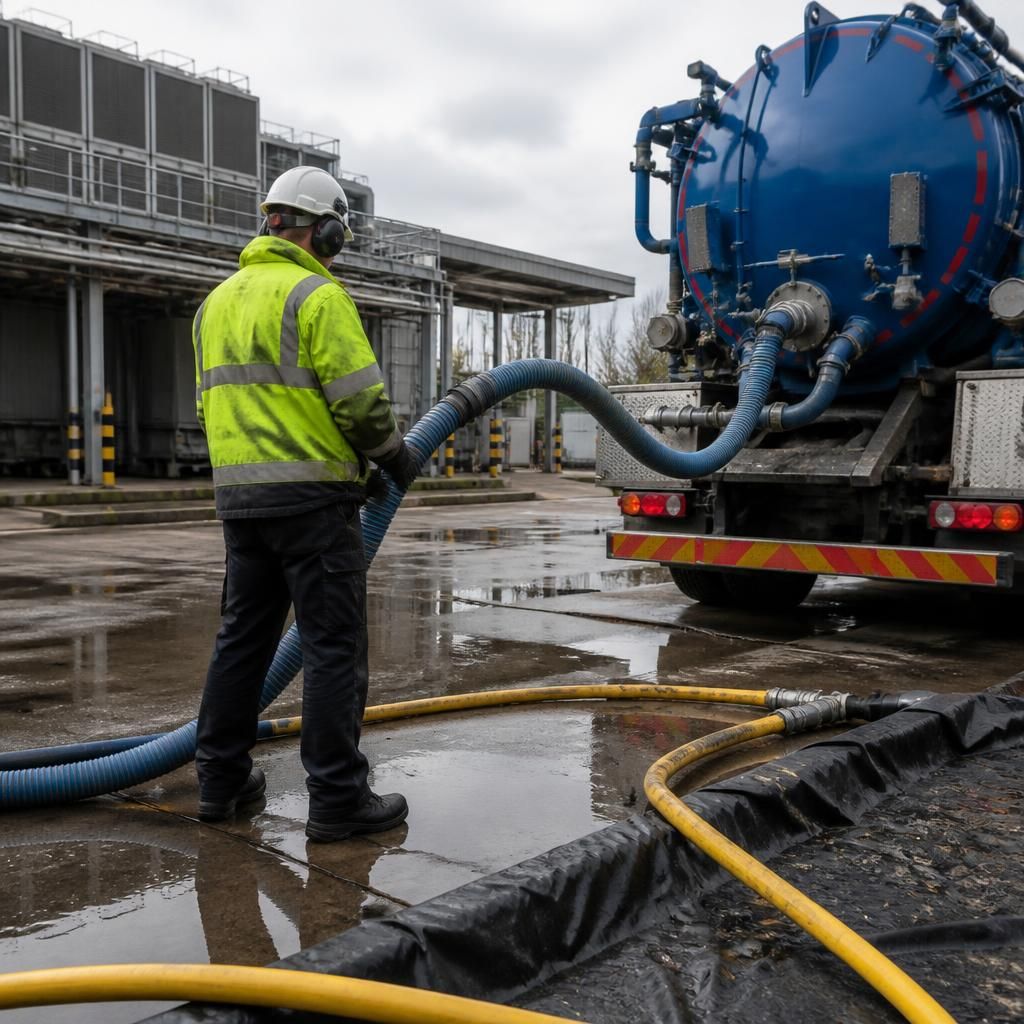
Wastewater recovery and disposal can materially affect the cost of industrial water jet cleaning. Jetting may produce water mixed with oil, grease, paint, scale, chemicals or other contaminants, so it cannot always be discharged through the site drainage system.
Depending on the contamination and site arrangements, the work may require drain protection, bunding, wet-vacuum recovery, filtration, temporary storage, sampling and licensed disposal. Confirming these requirements during the survey helps ensure the quotation covers environmental controls and avoids unexpected charges during the project.
Request an industrial water jet cleaning quotation
Contact Encanto Exterior Cleaning to discuss your industrial water jet cleaning requirements and request a clear, site-specific quotation. Provide details of the surface, contamination, access and wastewater arrangements so we can assess the scope accurately.
For a free quote & consultation
Contact usAccreditations