
What factors affect the cost of industrial jet washing services for different surfaces?
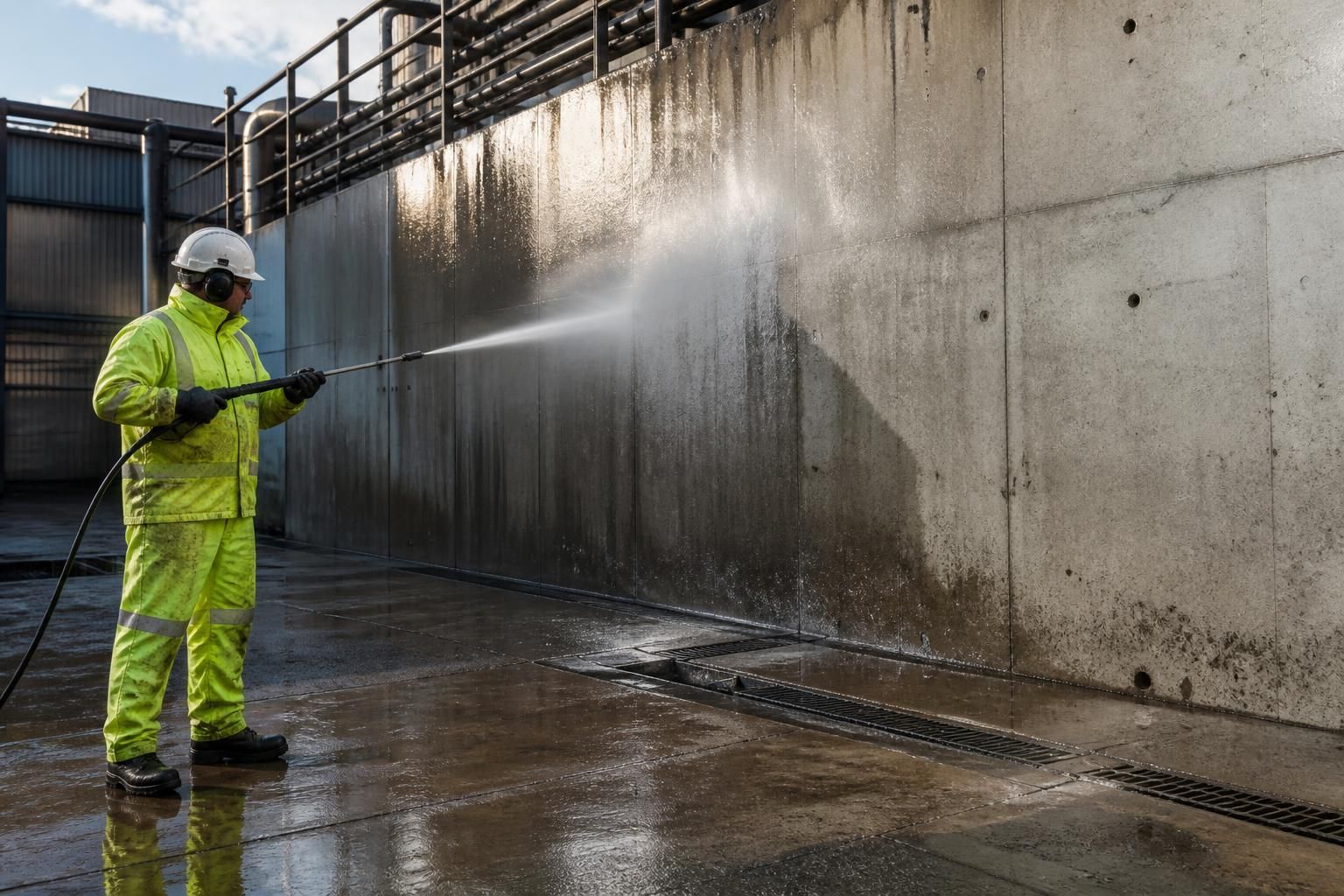
Industrial jet washing costs are affected by the surface material and condition, the area to be cleaned, the type and severity of contamination, site access, and the equipment or access systems required. Pricing may also reflect preparation, water management, wastewater disposal, traffic control and any specialist safety measures needed for the site.
The cost of industrial jet washing is determined by the surface being cleaned, the size and condition of the area, the type of contamination, and the equipment and controls required to complete the work safely. Hard, accessible concrete may need a different cleaning method and preparation time from delicate cladding, aged masonry, roofing or a surface contaminated with oil, paint or embedded dirt. A reliable quotation therefore considers the whole method of work rather than applying a single rate to every surface.
Surface material and condition
Different materials tolerate different water pressures, temperatures and cleaning chemicals. Concrete, block paving and other robust surfaces can often be cleaned using higher-pressure equipment, although joints, cracks and damaged areas still require care. Brickwork, natural stone, render, painted surfaces and cladding may need lower pressure, wider spray patterns, steam cleaning or a controlled chemical treatment to avoid etching, spalling, staining or damage to coatings.
The condition of the surface also affects preparation and cleaning time. Loose coatings, failed pointing, cracked paving, deteriorated render and corroded fixings may require additional precautions or may need repair before washing. A heavily weathered surface can take longer to clean than a well-maintained one, even where the measured area is the same.
Area, layout and cleaning specification
Larger areas generally allow equipment and labour to be used more efficiently, but the total price still depends on how the space is divided and what level of finish is required. A clear, open car park is usually more straightforward to clean than a site containing loading bays, planted areas, drainage channels, steps, machinery and pedestrian routes.
The specification may include a general visual clean, removal of ingrained staining, preparation before painting or refurbishment, treatment of oil contamination, or removal of biological growth. More demanding specifications require slower working, repeat passes or additional inspection, which increases the time and resources needed.
Type and severity of contamination
Surface dirt, dust and light algae may be removed with a relatively direct jet washing process. Grease, oil, traffic film, food residues, cement deposits, chewing gum, paint, bitumen and graffiti require more specialised treatment. The contamination may need pre-treatment, hot water or steam, mechanical agitation, controlled rinsing, or a second visit for particularly persistent deposits.
Contamination can also affect environmental controls. Oil and chemical residues must not be allowed to enter surface water drains, while paint and graffiti residues may need to be captured and disposed of appropriately. These requirements can add labour and waste-handling costs to the cleaning operation.
Access and working height
Access is a significant pricing factor for façades, roofs, high-level cladding and structures with restricted approach routes. Ground-level work may be completed using a pressure washer and suitable hoses, whereas elevated or difficult-to-reach areas may require access equipment, long-reach systems, a scaffold arrangement or specialist working-at-height controls.
The quote may also reflect the time needed to move equipment around the site, protect nearby property and establish exclusion zones. Narrow entrances, underground car parks, busy service yards and sites with limited vehicle access can make mobilisation and set-up more involved.
Water, power and equipment requirements
Pricing can vary according to whether the site has a suitable water supply and power source. Where these are unavailable or unsuitable, the contractor may need to provide additional tanks, generators, hoses, pumps or other equipment. The choice between cold-water pressure washing, hot-water jet washing, steam cleaning and lower-pressure washing is based on the surface and contamination, not simply on the size of the job.
Specialist nozzles, surface cleaners, soft-washing systems, recovery equipment and long-reach tools can improve control and productivity, but their use may require additional preparation or transport. Using excessive pressure is not a cost-effective solution if it causes surface damage or leaves the client with repair and redecoration costs.
Wastewater recovery and disposal
Where wash water can be safely contained and discharged in accordance with site and environmental requirements, the process may be relatively straightforward. Sites with oil, chemicals, paint residues or other pollutants may require drain protection, bunding, vacuum recovery, filtration, temporary storage and controlled disposal.
Wastewater management is particularly important on industrial premises, transport sites, food-related facilities and areas close to surface water. The required controls can affect both the duration of the work and the cost of consumables, equipment and disposal.
Site operations and safety controls
Cleaning around active premises may require phased working, out-of-hours attendance, pedestrian management, vehicle diversions or temporary closure of sections of a car park or service yard. Traffic management, signage, barriers and coordination with site representatives can all influence the price.
Additional risk controls may be needed for high-pressure water, chemicals, work at height, electrical equipment, contaminated surfaces or areas used by the public. These can include method statements, risk assessments, personal protective equipment, exclusion zones and specialist access arrangements. They are part of responsible industrial cleaning rather than optional extras.
Preparation, protection and finishing work
Before washing begins, the work area may need to be inspected and photographed, loose debris removed, vulnerable fixtures protected and drains covered or isolated. After cleaning, the surface may need to be rinsed, checked for remaining staining, dried, or prepared for sealing, painting or another maintenance treatment.
Items such as doors, vents, signs, vehicles, stock, electrical fittings and landscaping may need protection or temporary relocation. The amount of preparation depends on the site and can be a material part of the overall cost, particularly where the cleaning is being carried out alongside other business activities.
How to obtain a useful quotation
A quotation is more accurate when it is based on a site survey or detailed information about the work. Useful information includes the surface type, approximate area, photographs of representative staining, access restrictions, operating hours, water and power availability, drainage arrangements, and the required standard of finish.
It is also important to confirm what the price includes. Check whether it covers pre-treatment, protection of adjacent areas, access equipment, traffic management, wastewater recovery, disposal, travel, and any return visit or remedial treatment. Comparing quotations on the same scope of work provides a more meaningful assessment than comparing a single headline price.
For planned maintenance, the most cost-effective approach is usually to match the cleaning method to the surface and contamination, address access and wastewater requirements before mobilisation, and schedule the work to minimise disruption. Regular cleaning can also prevent deposits from becoming deeply embedded, reducing the need for aggressive treatment and helping preserve façades, cladding, roofs, paving and other external surfaces.
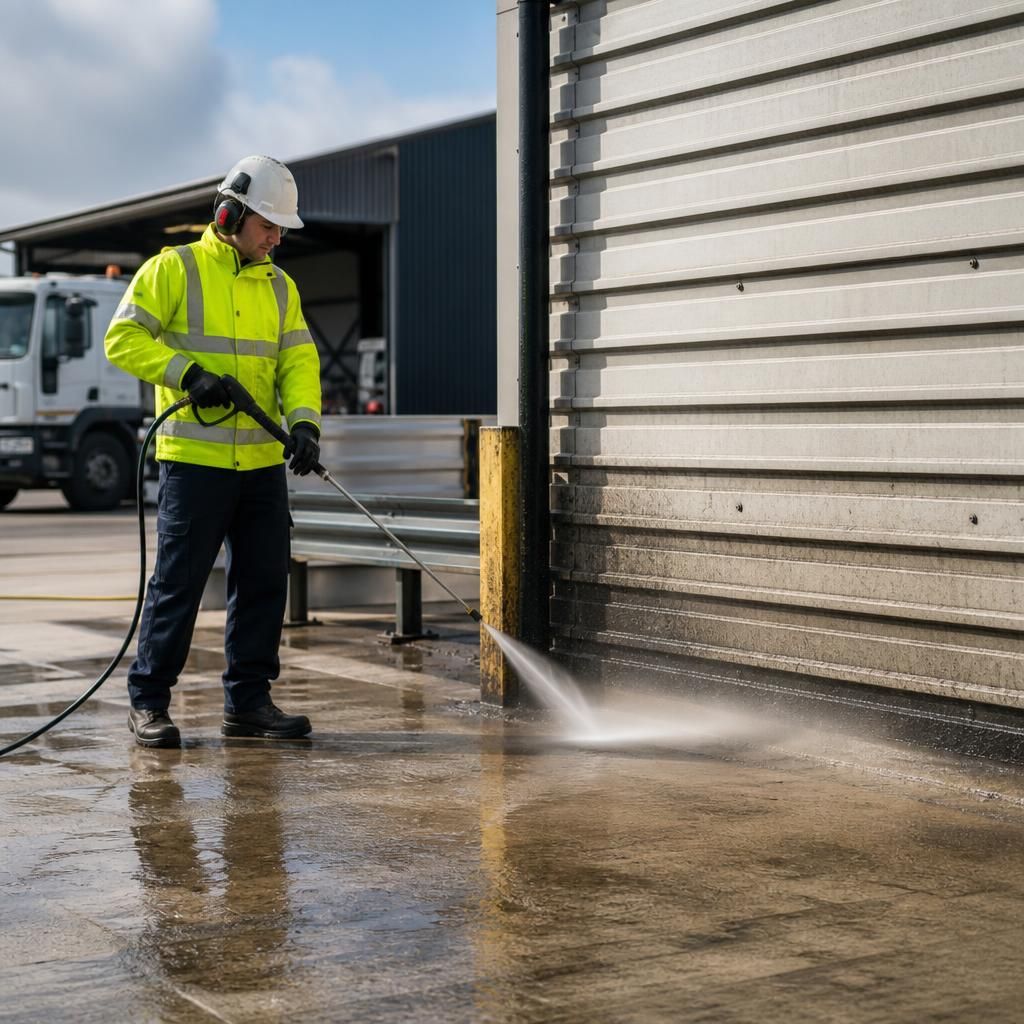
Industrial jet washing costs vary between surfaces because each material and type of contamination requires a suitable cleaning method. Robust concrete may allow efficient pressure washing, while brickwork, cladding, render, roofing and painted surfaces often need lower pressure, controlled heat or specialist treatment to prevent damage.
Surface condition also affects the quotation. Cracks, failed pointing, loose coatings, embedded oil, paint, algae and cement deposits can require additional preparation, repeat passes or wastewater recovery. These requirements increase labour, equipment and disposal time compared with removing light surface dirt from a clear, accessible area.
A reliable assessment should therefore consider the surface material, contamination, access, drainage and required finish together. Providing photographs, site details and any restrictions on working hours or water discharge helps ensure the proposed method and price reflect the actual work involved.
Request an Industrial Jet Washing Cost Assessment
Contact Encanto Exterior Cleaning for an industrial jet washing cost assessment based on your surfaces, contamination, access requirements and wastewater controls. Provide site details or photographs so we can recommend a suitable method and prepare a clear quotation.