What types of contaminants can affect the performance and appearance of tarmac surfaces?
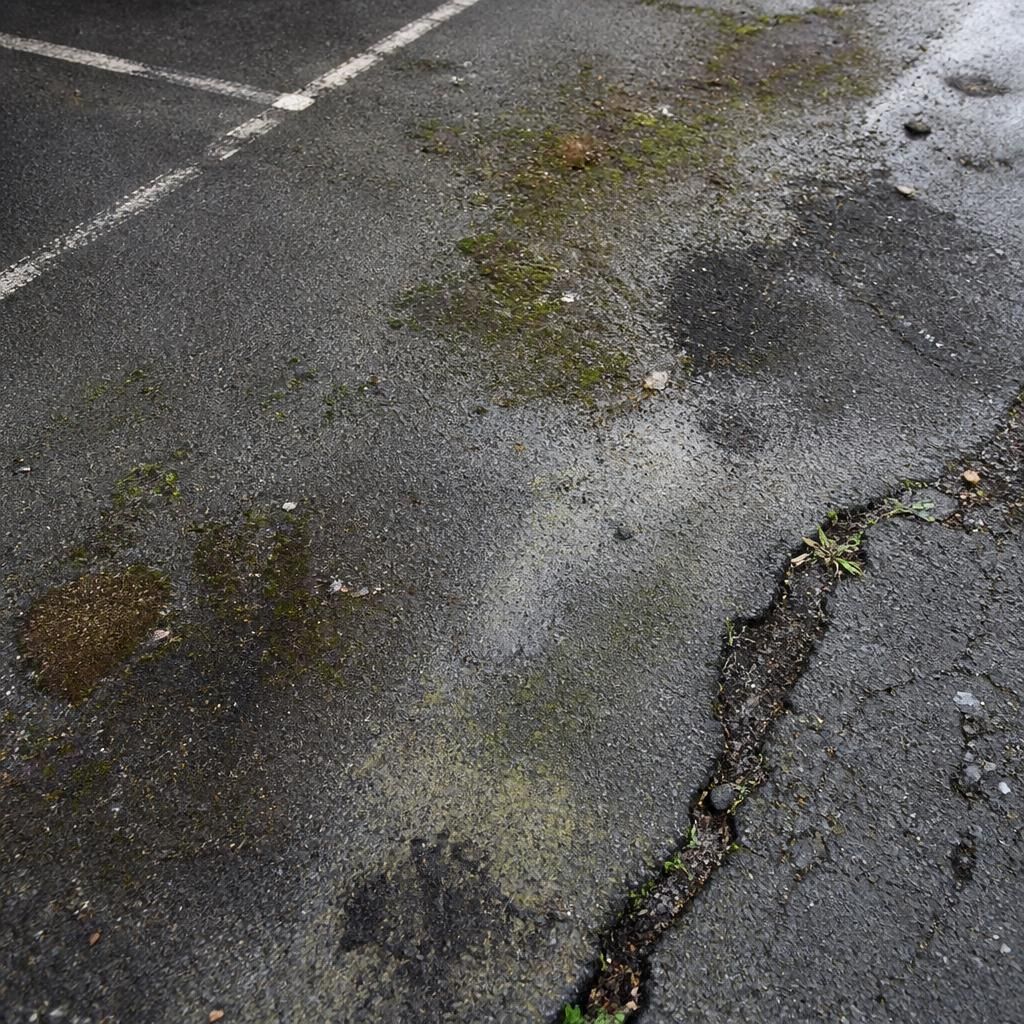
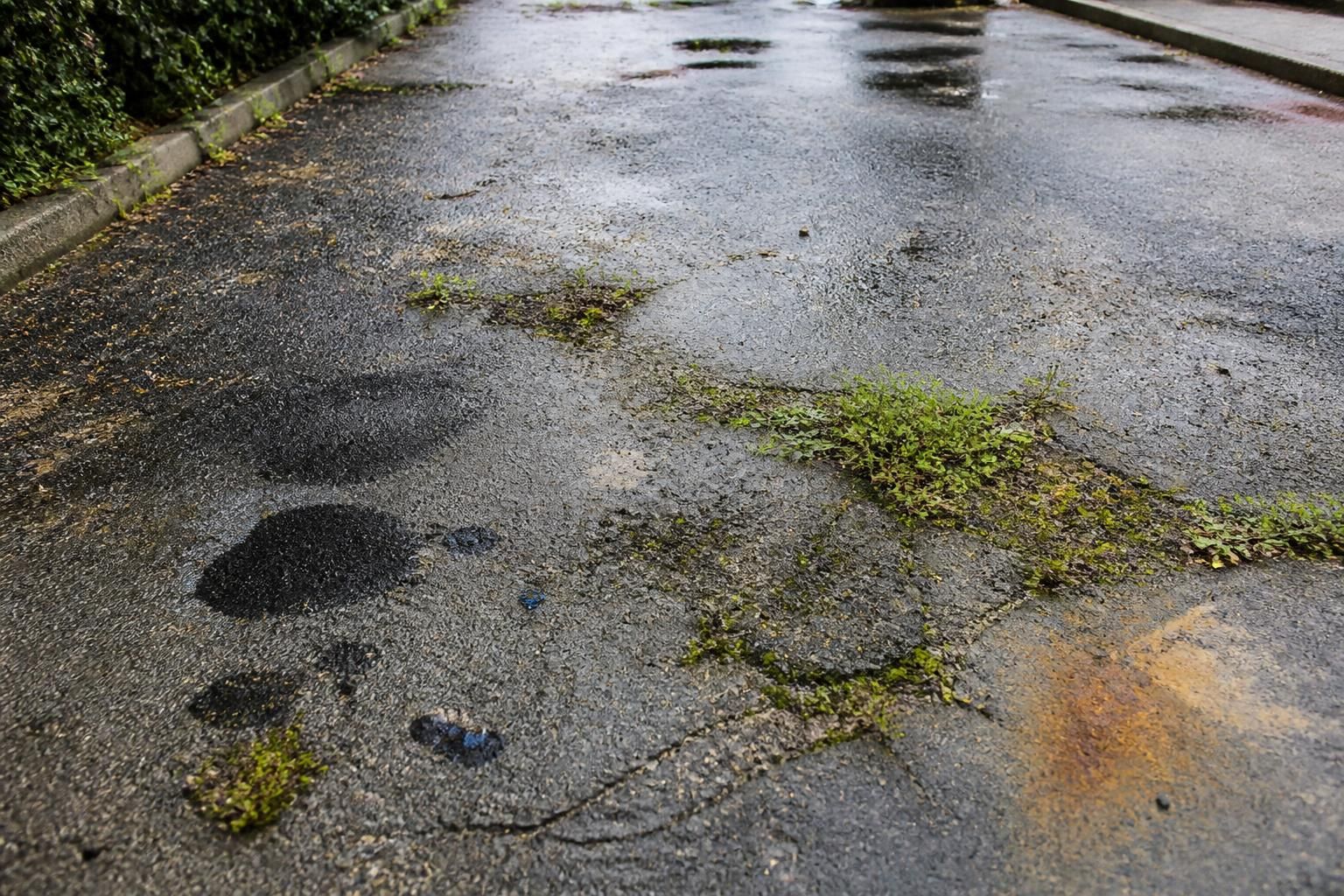
Common tarmac contaminants include oil, fuel, grease, dirt, mud, algae, moss, lichen, weeds, chewing gum, litter, rust staining and construction residue. These substances can discolour the surface, make it slippery, block drainage, encourage surface deterioration and allow plant growth to widen cracks or disturb the tarmac.
Tarmac surfaces can be affected by hydrocarbon products, organic growth, soil, standing water, staining, loose debris and construction residues. These contaminants alter the surface’s appearance and may also reduce traction, obstruct drainage, soften or weaken binders, and accelerate cracking, fretting and other forms of deterioration.
The effect depends on the contaminant, how long it has been present, the condition of the tarmac and the amount of traffic or weather exposure. A recently laid or well-maintained surface will usually respond differently from aged tarmac with open texture, existing cracks or areas of surface wear.
Oil, diesel, petrol and grease
Vehicle fluids are among the most damaging contaminants found on car parks, service yards, loading areas and access roads. Oil, diesel, petrol and grease can penetrate the surface, leaving dark patches that are difficult to remove once established. Hydrocarbons may soften or break down the bituminous binder that holds the aggregate together, particularly where spills are repeated or allowed to remain in place.
These deposits can also create slippery areas, increasing the risk of slips for pedestrians and loss of traction for vehicles. Oil-bound dirt is often more difficult to remove than ordinary soil because it forms a strongly adhered film. Absorbent materials and suitable degreasers may be needed before controlled pressure washing or steam cleaning can be carried out.
Dirt, dust, mud and silt
Loose dirt is not usually chemically aggressive, but accumulated soil and mud can conceal defects and retain moisture against the surface. Silt carried onto tarmac from building sites, unmade ground or vehicle movements may settle into the texture and collect around drainage channels, kerbs and edges.
When mud dries, it can form a compacted layer that is harder to remove and may become slippery when wet. Fine particles can also be washed into gullies and drainage systems, contributing to blockages. Regular removal is particularly important on construction access routes, industrial yards and sites where heavy vehicles transfer soil onto paved areas.
Algae, moss and lichen
Algae often produces green, dark or slimy discolouration, especially in shaded or damp locations. Moss can establish where moisture remains for long periods, while lichen may attach firmly to the surface and leave a pale or crusted appearance.
Organic growth can reduce slip resistance when wet and is commonly associated with poor drainage, overhanging vegetation or limited sunlight. Moss may also retain moisture and fine debris, allowing the affected area to remain damp for longer. If growth reaches cracks, joints or unsealed edges, its roots and retained moisture can contribute to further opening and surface disruption.
Removing visible growth does not always resolve the underlying problem. Drainage, shade, overhanging branches and persistent water sources should also be considered, otherwise regrowth is likely.
Weeds, grass and root growth
Weeds commonly appear along edges, in cracks, around kerbs and where tarmac has begun to separate. Their roots can widen existing openings and disturb the surrounding aggregate. Grass and other vegetation may also trap soil, leaves and moisture, creating conditions for further growth.
Plant growth is therefore both a contaminant and an indication of surface defects. Removing the vegetation without addressing the crack or failed edge may provide only a temporary improvement. Depending on the condition of the area, the appropriate follow-up may include crack treatment, local repairs, edge reinstatement or improved maintenance of adjoining ground.
Leaves, organic debris and bird deposits
Leaves, seeds, twigs and other organic matter can stain tarmac as they decompose. They also retain moisture and may release tannins, which create brown or dark marks. Bird deposits can leave visible staining and may contain grit that becomes abrasive when trafficked or washed across the surface.
Organic debris is particularly problematic in drainage channels, around gullies and beneath trees. If it is left to accumulate, it can form a wet, compacted layer that encourages algae and moss while reducing the effectiveness of surface drainage.
Rust and metal staining
Rust marks may come from vehicle components, metal skips, fencing, gates, storage racks, manhole covers or other corroding items left on the tarmac. The resulting orange, brown or reddish staining can be prominent on lighter surfaces and may spread through water run-off.
Rust is not removed in the same way as oil or biological growth. It generally requires a product suited to iron staining and careful control around adjacent materials, drainage systems and planted areas. Abrasive treatment can damage the tarmac texture, so stain removal should be matched to the condition of the surface rather than approached as a simple scrubbing task.
Chewing gum, adhesives and other bonded residues
Chewing gum, tape adhesive, labels, sealant and similar residues can bond tightly to the aggregate. They create visible spots and may collect dirt around their edges. On pedestrian routes, gum deposits can also affect cleanliness and present a hygiene or maintenance concern.
These materials often require targeted heat, steam or mechanical removal. Excessive pressure or aggressive scraping can dislodge aggregate and leave a lighter mark, particularly on weathered tarmac.
Litter, glass and sharp debris
General litter affects presentation, while broken glass, metal fragments and sharp aggregate can create hazards for pedestrians, cyclists, vehicles and maintenance staff. Waste may also block gullies or become embedded in soft deposits such as oil, mud or moss.
Cleaning should therefore include appropriate collection and disposal of loose debris before washing begins. Simply directing litter towards a drain can transfer the problem into the drainage system and may be unsuitable where contaminated run-off is present.
Paint, plaster, concrete and construction residue
Construction and refurbishment work can leave paint, render, mortar, cement, plaster dust, grout and other residues on tarmac. Fine dust may be spread across a large area, while wet cementitious products can harden and bond to the surface. These deposits can create pale patches, rough areas and trip points, and may hide damage beneath them.
Hardened cement and mortar should be removed carefully because aggressive impact or unsuitable chemicals can damage the bituminous surface. The cleaning method must take account of the type and age of the residue, nearby drainage and the risk of spreading contaminated wash water.
Standing water and de-icing residues
Water is not a contaminant in the same way as oil or moss, but persistent standing water is a significant condition affecting tarmac performance. It may indicate blocked drainage, inadequate falls, settlement or surface depressions. Repeated saturation can encourage algae, moss and freeze-related damage, while traffic over waterlogged areas can worsen surface wear.
Salt and other de-icing residues can leave pale deposits and attract moisture. They may also be carried into surrounding areas through run-off. Removing these residues and keeping drainage clear helps limit the build-up, although cleaning alone will not correct a drainage or level defect.
How contaminants affect tarmac performance
- Appearance: staining, discolouration, patchiness and visible growth can make a car park, road or service yard look poorly maintained.
- Traction: oil, grease, algae, moss, mud and wet organic matter can reduce grip, particularly in pedestrian and vehicle braking areas.
- Drainage: silt, leaves, litter and compacted growth can obstruct gullies, channels and surface falls.
- Surface integrity: hydrocarbons, plant roots, trapped moisture and heavy deposits can contribute to binder deterioration, cracking, fretting and pothole development.
- Asset inspection: contamination can hide cracks, failed repairs, settlement and edge breakdown, delaying necessary maintenance.
Professional cleaning begins with identifying the contaminant rather than applying the same treatment to every area. A suitable method may combine sweeping, targeted degreasing, steam cleaning, controlled pressure washing, surface treatment and careful recovery of dirty water. Pressure, temperature and cleaning agents should be selected according to the tarmac’s age, condition, porosity and surrounding materials.
Cleaning cannot restore tarmac that has already suffered structural failure, significant settlement or extensive loss of aggregate. However, removing contaminants makes defects easier to assess and can help prevent avoidable deterioration. Where cracks, potholes, damaged edges or drainage problems are found, cleaning should be followed by the relevant repair or maintenance work.
For commercial and industrial sites, the most effective approach is to address contamination promptly, keep drainage routes clear, control sources of oil and soil, remove organic debris routinely and arrange periodic deep cleaning when deposits become established. This protects the surface’s appearance while supporting safer access and extending the useful condition of the existing tarmac.