
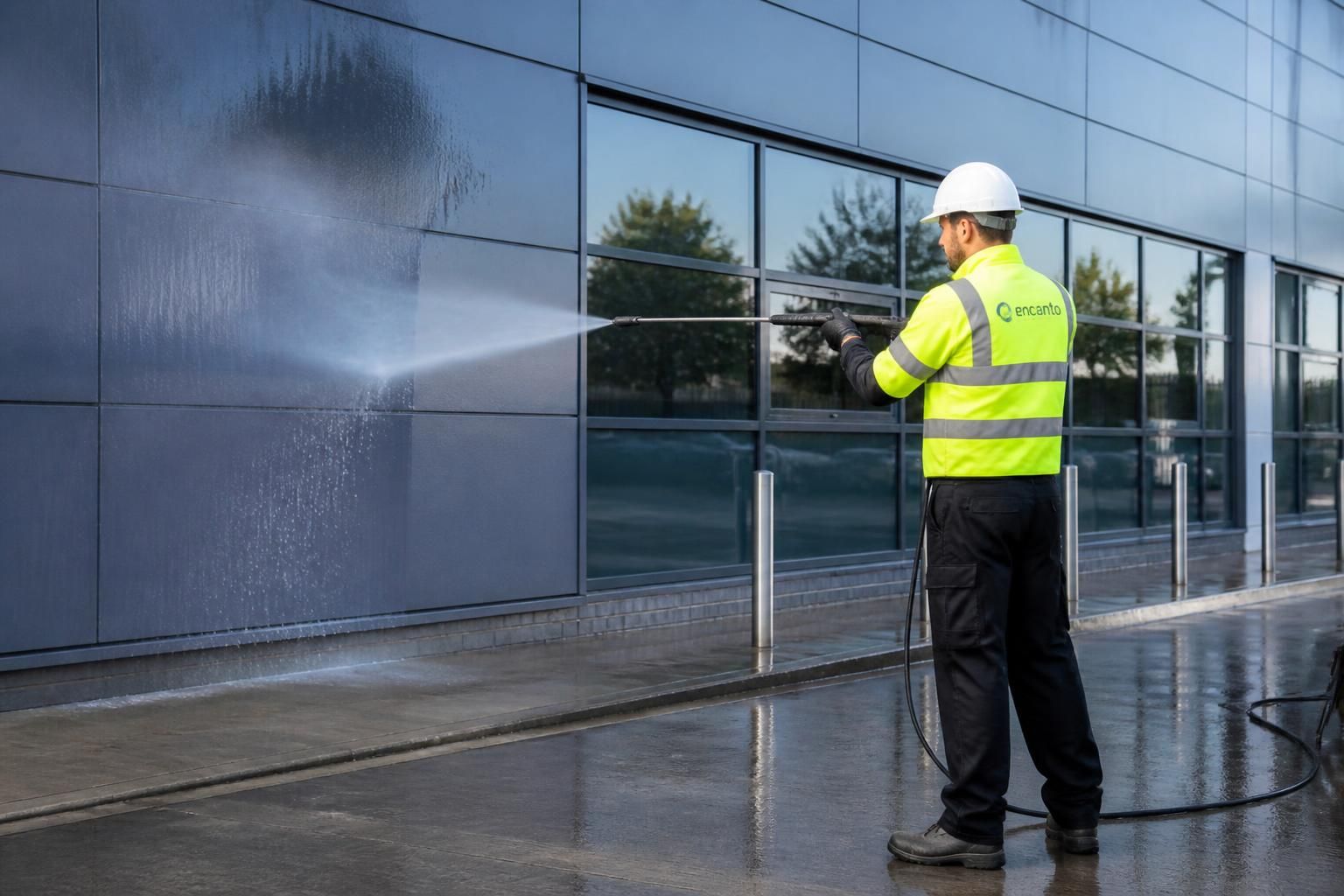
How long does it take to complete a high pressure washing project?
A high pressure washing project can take from several hours for a small, accessible area to several days for a large commercial site. The timescale depends on the surface area, level of soiling, access requirements, cleaning method, weather conditions and any wastewater controls needed.
A high pressure washing project can take from several hours for a small, accessible area to several days for a large or complex commercial site. The duration is determined mainly by the area to be cleaned, the type and depth of soiling, the surface material, access arrangements, water and wastewater controls, weather conditions and the preparation or finishing work required.
For commercial and industrial projects, the washing itself is only one part of the programme. A responsible timescale also allows for site set-up, protection of nearby areas, equipment positioning, inspections, controlled wastewater collection and site clearance. Where work is carried out at height or around public areas, additional controls may be needed before cleaning can begin.
Typical project durations
- Small, accessible areas: Localised cleaning such as a small yard, entrance, walkway or limited hardstanding may be completed within part of a working day, provided the surface is not heavily contaminated and there are no access restrictions.
- Medium-sized commercial areas: Car parks, service yards, loading areas and sections of external paving commonly require a full working day or more, particularly where the work must be phased around vehicles, deliveries or staff access.
- Large or complex sites: Extensive façades, roofs, cladding, multi-level buildings and industrial yards can take several days or longer. The programme may be divided into zones so that the premises can continue operating safely.
These are broad planning categories rather than fixed guarantees. A site with straightforward access and light surface dirt may be completed much faster than a smaller site with ingrained oil, algae, construction residue, difficult access or strict environmental controls.
Surface area and layout
The size of the area affects the amount of cleaning time, but layout is equally important. Open, unobstructed hardstanding is generally quicker to wash than a congested yard containing parked vehicles, plant, storage, drainage channels or fixed equipment. Narrow access routes, multiple levels and separate work zones increase the time needed to move hoses, surface cleaners and access equipment.
Vertical surfaces can also take longer than ground-level areas. Façades and cladding may require mobile elevated work platforms, scaffold towers or other access systems, together with additional measures to prevent overspray and protect windows, signage, entrances and ventilation points.
Level and type of soiling
Light dust and general atmospheric dirt can often be removed efficiently with a planned pressure washing system. More persistent contamination takes longer because it may need pre-treatment, agitation, repeated passes or a lower-pressure approach to protect the substrate. Common examples include:
- oil, grease and fuel residues on industrial floors or parking areas;
- moss, algae and lichen on paving, roofs and external steps;
- cement, mortar, paint or construction residue;
- traffic film and exhaust deposits on façades and cladding; and
- chewing gum, adhesive residue or localised staining around entrances.
Heavy deposits should not simply be tackled by increasing the pressure. The correct treatment may involve a suitable detergent, steam cleaning, specialist surface treatment or careful manual preparation. Choosing the appropriate method can improve the result while avoiding damage, but it can add preparation and dwell time to the programme.
Access, security and operational restrictions
Access arrangements have a direct effect on productivity. The team may need confirmation of parking or loading access, permission to enter restricted areas, induction procedures, keys, permits or an escort. Sites with controlled working hours may need to be cleaned in sections or during evenings and weekends.
Where the premises remain open, the work may also need to be scheduled around pedestrians, deliveries, vehicles and emergency routes. Temporary barriers, exclusion zones and traffic management can reduce the available working area, but they are important for protecting people and preventing disruption.
Weather and drying conditions
Weather can affect both the safety of the work and the final result. Strong winds can carry spray beyond the controlled area, while frost, heavy rain or very low temperatures may make certain surfaces, chemicals or access equipment unsuitable. Rain may not always prevent pressure washing, but it can interfere with wastewater control, visibility, drying and the ability to assess the finished surface.
Weather-sensitive work should therefore include contingency in the programme. Roofs, façades and elevated areas may need to be postponed if conditions make access or overspray control unsafe. Newly cleaned walkways and entrances may also require time to drain and dry before they are returned to normal use.
Wastewater management and environmental controls
Wastewater planning can be a significant part of a commercial cleaning project. Run-off may contain detergents, silt, oil, biological matter or other contaminants and must not be allowed to enter surface-water drainage systems where this would breach site or environmental requirements.
Depending on the location and contamination, the work may require drain protection, bunding, wet vacuum recovery, temporary containment, filtration or controlled disposal. These measures can extend the programme, especially where drainage points are numerous or the site has limited areas for safely managing recovered water. They are part of completing the work correctly rather than an optional addition.
Preparation and protection
Before washing starts, operatives may protect doors, electrical fittings, air-conditioning units, sensitive finishes, landscaping and nearby vehicles. Loose debris may need to be removed, access equipment positioned and drainage points checked. On a construction or industrial site, the team may also need to coordinate with other contractors and follow a permit-to-work or site-specific risk assessment process.
After cleaning, the area may need an inspection, spot treatment, rinse-down, wastewater recovery and removal of equipment. If a protective coating, sealant or other follow-on treatment is included, the surface may need to dry to the required condition before that work can begin. This means the complete project duration can be longer than the time spent actively applying water.
How the timescale is established
An accurate programme should be based on a site survey or sufficiently detailed information about the premises. The assessment considers the surfaces, approximate area, contamination, water supply, drainage, access, working hours, nearby sensitive features and any need for powered access equipment.
Following the assessment, the work can be divided into practical stages, such as preparation, test cleaning, main washing, wastewater management, inspection and handover. For larger premises, a phased plan can identify which areas will be unavailable and when. This gives the site team a realistic working window rather than relying on a simple area-based estimate.
How to help keep the project on schedule
- Provide accurate details of the areas, surfaces and types of contamination.
- Confirm access times, security requirements, inductions and any permit arrangements in advance.
- Move vehicles, stock and portable equipment from the agreed work zones.
- Identify drainage points, water supplies, sensitive equipment and areas requiring protection.
- Tell the cleaning team about deliveries, public access, tenant activity and other contractors.
- Allow contingency for unsuitable weather, particularly when cleaning roofs, façades or elevated areas.
Once the site conditions and required controls have been assessed, Encanto Exterior Cleaning can provide a more dependable indication of the working period and explain any factors that could change it. For substantial commercial projects, regular updates and phased handovers help maintain safe access and minimise disruption while the cleaning is carried out.
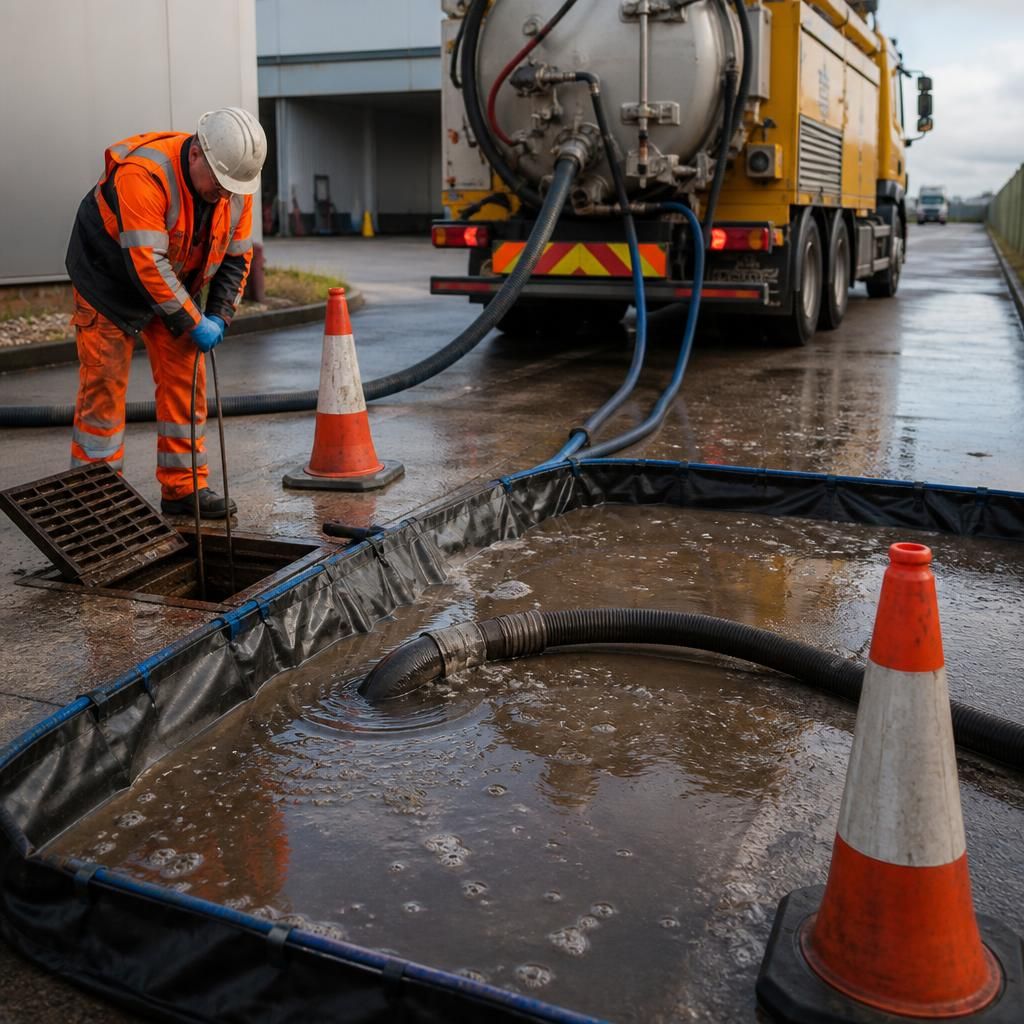
Wastewater management can add significant time to a high pressure washing project, particularly where run-off may contain oil, silt, detergents or other contaminants. Before cleaning begins, operatives may need to protect drains, install temporary containment and confirm how recovered water will be collected and disposed of.
On sites with extensive drainage, restricted access or sensitive surroundings, washing may need to be completed in controlled sections. Wet vacuums, filtration or other recovery equipment can then be used before the next area is started. Allowing for these measures helps prevent contaminated water entering surface-water systems and forms an essential part of completing the work safely and compliantly.