
What maintenance practices are necessary after using pressure cleaning to ensure long-term protection of glass surfaces?
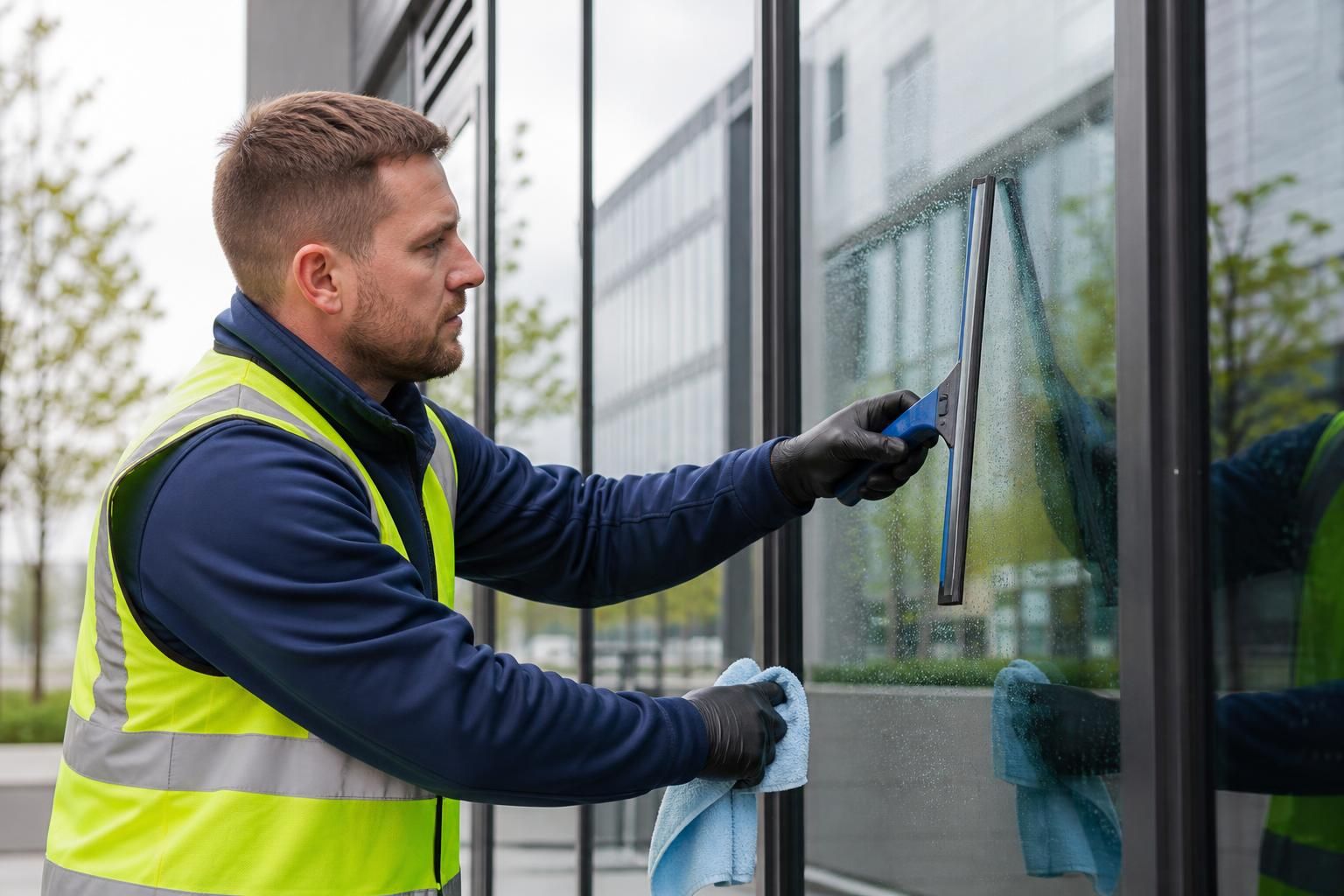
After pressure cleaning, inspect the glass, seals and surrounding frames for residue, scratches or moisture ingress, then rinse with clean water and dry using a soft, lint-free cloth or suitable squeegee. Ongoing protection requires gentle, non-abrasive cleaning, prompt removal of new contaminants and periodic checks for damaged seals, coatings or fixings.
Long-term protection of glass after pressure cleaning depends on a thorough post-clean inspection, complete removal of cleaning residue, gentle routine care and regular checks to the glass, coatings, seals, frames and fixings. Once the graffiti or other contamination has been removed, the surface should be rinsed with clean water, dried without abrasion and checked under suitable lighting for remaining deposits, scratches, coating damage, moisture ingress or defects around the perimeter.
Post-cleaning maintenance should begin as soon as the work is complete:
- Inspect the glass in clear light. Check for paint residue, staining, smears, water marks, scratches, chips and any change in the appearance of a solar-control, tinted or other specialist coating. Inspection from different angles can reveal residues that are not visible from directly in front.
- Rinse away remaining residue. Use clean water to remove loosened particles, detergent and any approved cleaning solution. Residue left on the surface can dry into marks or attract further dirt. Where water quality is a concern, a final rinse with suitably treated water may help reduce spotting.
- Dry the surface carefully. Use a clean, soft, lint-free cloth or a suitable squeegee designed for glass. Do not allow dirty cloths, grit or paint particles to be dragged across the surface, as these can create fine scratches.
- Check edges, seals and frames. Examine glazing seals, gaskets, joint lines, drainage channels, frames and adjacent façade materials. Remove trapped water and residue where safe to do so, while avoiding pressure that could force water behind the glazing system.
- Confirm that drainage is clear. Sills, channels and surrounding surfaces should not retain dirty water or cleaning residues. Blocked drainage can contribute to staining, corrosion of fixings or moisture entering areas behind the frame.
Routine cleaning should use a mild, glass-compatible cleaning solution and clean equipment. Apply the solution with a soft applicator, then rinse and dry it before deposits can build up. Abrasive pads, scouring powders, razor blades, unapproved scrapers and rough cloths should not be used unless the glass manufacturer or a suitably qualified specialist has confirmed that they are appropriate. These tools can scratch the surface or damage coatings that may not be visible until changing light exposes the defect.
Care is particularly important where glass has a specialist finish. Solar-control, low-emissivity, tinted, frosted, filmed or treated glass may have different cleaning requirements from untreated glass. The relevant manufacturer’s instructions should take precedence. Strong acids, alkalis, solvents and aggressive graffiti-removal products should not be applied during routine maintenance unless their compatibility with the glass, coating, sealants and surrounding materials has been established.
New contamination should be removed promptly rather than allowed to harden. Bird deposits, cement splashes, adhesive, road film and airborne industrial residue can become more difficult to remove and may require a more intensive treatment later. Any further pressure cleaning should be assessed as a separate task, with the pressure, temperature, nozzle, distance and cleaning agent selected for the particular glazing system. Pressure should not be directed at seals, open joints, vents or damaged areas.
Ongoing inspections should form part of the building’s planned external maintenance. Look for:
- new scratches, chips, cracks or edge damage;
- clouding, staining, coating deterioration or areas that no longer clean evenly;
- loose, split or displaced seals and gaskets;
- failed joints, gaps or signs of water ingress around frames;
- corrosion, looseness or movement in glazing beads and fixings; and
- repeated staining that may indicate a drainage, sealant or façade defect rather than a simple cleaning problem.
Keep a record of the cleaning method, products used, areas treated and any defects identified. This helps the property or facilities team distinguish pre-existing damage from later deterioration and ensures that future contractors use compatible methods. It is also useful where the building contains coated or specialist glazing for which product information and manufacturer guidance should be retained.
If scratches, coating marks, cracked glass, failed seals or moisture between panes are found, stop using abrasive or chemical treatments and arrange an assessment by an appropriate glazing or building-maintenance professional. Cleaning can remove surface contamination, but it cannot correct a failed sealed unit, damaged coating or defective frame. Prompt investigation reduces the risk of water damage and prevents unsuitable remedial cleaning from making the defect worse.
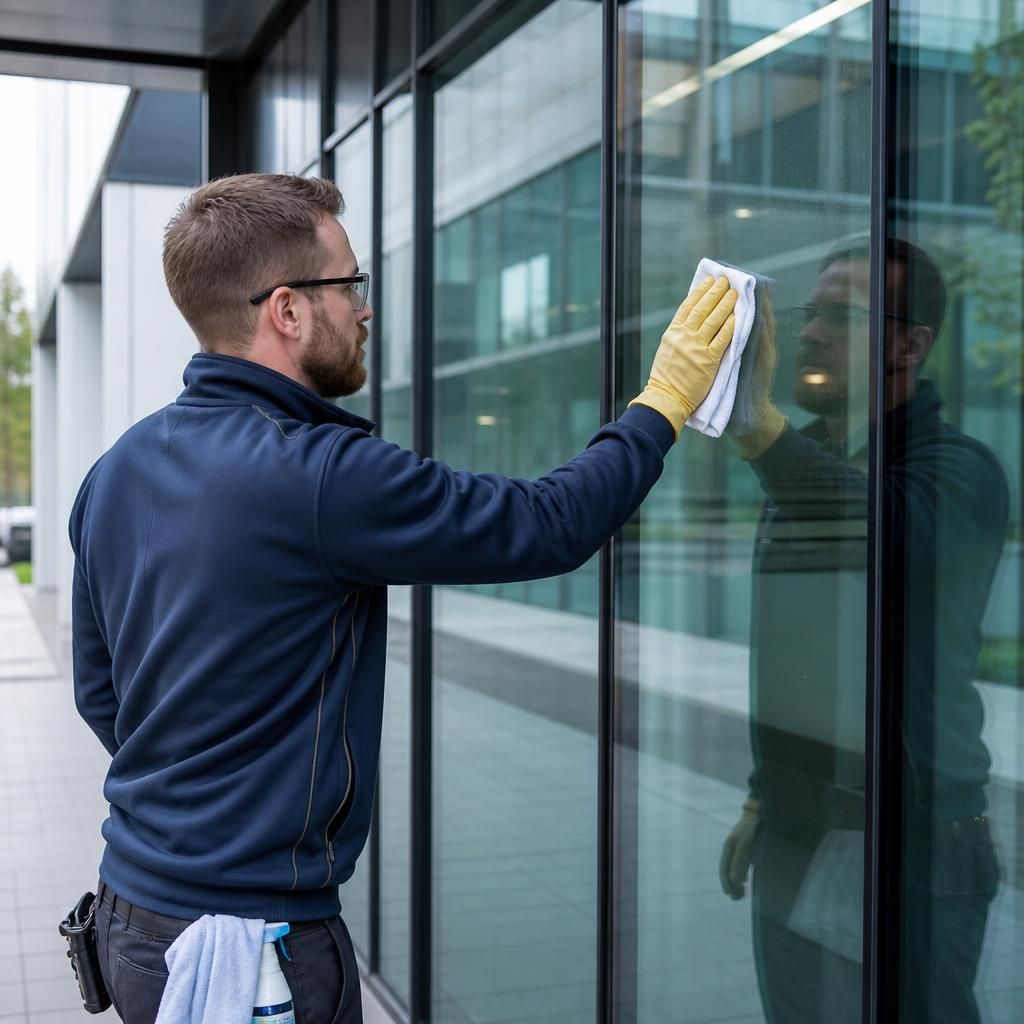
Long-term glass protection after pressure cleaning starts with a post-clean inspection and careful removal of residue. Rinse the glazing with clean water, then dry it using a clean, soft, lint-free cloth or a suitable squeegee. Inspect the surface from different angles for paint residue, water marks, scratches, chips or changes to specialist coatings.
Check the surrounding seals, gaskets, frames, drainage channels and fixings for trapped moisture or damage. Future cleaning should use a mild, glass-compatible solution and non-abrasive equipment. Avoid scouring pads, rough cloths, unapproved scrapers and aggressive chemicals, particularly on tinted, filmed, low-emissivity or solar-control glass. Follow the glazing manufacturer’s maintenance guidance where specialist coatings are present.